

You saw the Epstein Files mention a link to the Harry Potter premiere and want a clear answer about what happened and why it matters. JK Rowling denied any contact with Jeffrey Epstein and called the suggestion that she invited him to the 2018 Broadway opening “beyond silly.”
This piece walks through her public response, the email trail that sparked the claims, and how the controversy pulled a celebrated theatrical event into a wider conversation about accountability, celebrity networks, and ongoing debates around her public views.
Expect a look at how the allegation affected the premiere, reactions across the cast and fans, the legal documents at the center of the story, and what the controversy could mean for Rowling and the franchise going forward.
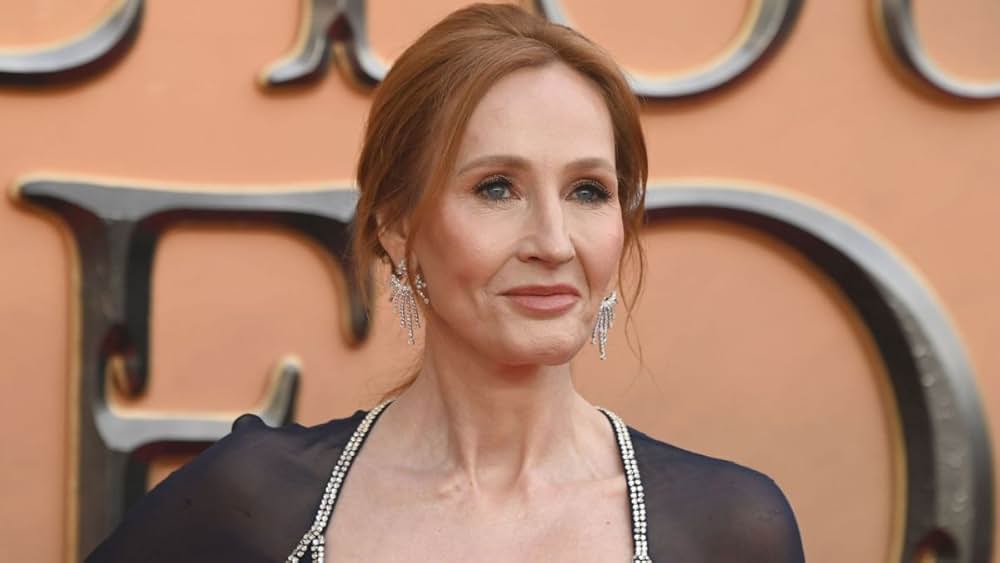
How JK Rowling Responded to the Epstein Files Controversy
Rowling denied any direct contact with Jeffrey Epstein and emphasized that invitations bearing her name did not come from her. Media accounts and documents point to a third party handling tickets, and public reaction focused on whether her name on an invitation implied personal involvement.
Rowling’s Initial Reaction on Social Media
Rowling posted a brief, direct denial on X, calling the idea that she invited Epstein “beyond silly.”
She wrote that neither she nor anyone on her team had met, communicated with, or invited Epstein to any event.
Journalists and outlets then examined the Department of Justice files and linked emails. That reporting shows an invitation to the Broadway opening of Harry Potter and the Cursed Child bore Rowling’s name but appears to have been issued by the production team at the request of publicist Peggy Siegal. See detailed coverage at The Daily Beast.
Rowling’s reply aimed to stop further speculation quickly. Her tone was curt, intended to correct the record rather than enter a debate on social media.
Impact on Rowling’s Public Image
The incident reinforced existing public scrutiny of Rowling rather than creating a new controversy.
Her name appearing in the Epstein files prompted headlines across entertainment and news outlets, which reiterated her longstanding prominence and prior controversies.
Some readers viewed the file mention as an error or a byproduct of event logistics; others treated it as another data point in ongoing criticism of Rowling’s public visibility. Media stories highlighted that the invitation was handled by producers and a publicist, not directly by Rowling. For example, Variety and Snopes explained there’s no record of contact or meetings between Rowling and Epstein.
Public reaction split along familiar lines: critics used the mention to question her associations, while supporters pointed to the lack of evidence for any direct link.
Comparison With Previous Rowling Statements
Rowling has a history of responding swiftly when accused of impropriety or misrepresentation.
Her approach here matched past patterns: a short, unequivocal denial followed by citations of documents and reporting that back her claim.
Previously, when other allegations or misreported links arose, she issued direct statements and relied on media clarification.
In this instance, reporters traced the invitation trail to a producer and publicist, mirroring how independent verification has resolved earlier disputes over Rowling’s actions or intent.
That consistency—prompt denials and reliance on documented records—helped frame the episode as a clarification rather than an admission of wrongdoing.
The Harry Potter Premiere Under Fire
The Broadway opening faced scrutiny after emails in the released Epstein files showed a ticketing attempt tied to the event. Public figures’ names and the timing—after Epstein’s conviction—sparked questions about who was involved and why the show became part of the documents.
Details of the Event and Controversial Timing
The official Broadway opening of Harry Potter and the Cursed Child took place April 22, 2018, in New York City. Producers mailed tickets to an individual whose publicist had asked to bring a “very important friend,” but that person was turned away at the door after being issued incorrect tickets. The interaction appears in the newly released DOJ documents and led to mistaken online claims that J.K. Rowling or her team had personally invited Jeffrey Epstein, despite no evidence linking Rowling to the ticket exchange.
Timing inflamed the issue: the emails were dated after Epstein’s 2008 conviction, which made any association newsworthy. News outlets reported that producers and publicists handled the invitations and that Epstein never attended the event. J.K. Rowling publicly denied any contact or invitation, calling the suggestion “beyond silly.” For context on how the exchange entered the public record, see reporting on the release of the related DOJ files.
Cast Reactions to the Premiere Backlash
Cast members reacted privately and publicly as fan discussion swirled online. Lead actors associated with the franchise—figures like Daniel Radcliffe, Emma Watson, and Rupert Grint—were not implicated in the ticketing matter and did not receive invitations tied to the disputed exchange. Their reputations remained separate from the producers’ handling of guest requests.
Some theatre insiders and fans voiced disappointment that a high-profile production like Cursed Child became linked to Epstein papers at all. Tom Felton and other alumni of the film series saw social media conversation revisit decades-old public associations between the franchise and broader pop culture controversies. The cast emphasized the show’s cast, creative team, and Dumbledore-related storylines rather than the controversy.
Changes Made to the Premiere in Response
Producers reviewed guest-list procedures after the incident, tightening verification steps for high-profile requests. Playground Entertainment and production staff reportedly confirmed identity checks at the door and clearer communication with publicists to prevent misissued tickets. These operational fixes aimed to ensure that only confirmed, properly credentialed guests entered performances.
Organizers also adjusted PR handling to counter misinformation. They issued statements clarifying that Epstein was not on the guest list and that invitations were managed by producers and external publicists—not Rowling’s team. These steps reduced further conflation of the author with the logistics of Broadway guest management and helped refocus attention on the play’s reception and its place in pop culture.
Epstein Files: The Connection and Fallout
Briefly: newly unsealed documents include email records that mention a request to introduce Jeffrey Epstein to the Harry Potter premiere, and those mentions prompted wide media attention and public speculation about any link between Epstein and J.K. Rowling.
What the Epstein Files Reveal
The unsealed DOJ documents contain email correspondence showing someone asked Epstein to introduce them to people involved with the Harry Potter and the Cursed Child Broadway premiere. A reply attributed to an Epstein contact notes the invitation request, but the files show no reply from J.K. Rowling nor any meeting arranged with Epstein.
Documents do not list Epstein attending the premiere or meeting Rowling, and the DOJ release contains no evidence of a substantive relationship. Reporting highlights that the reference is a single scattered mention within millions of pages, not a record of contact or complicity.
Media outlets quickly amplified the snippet, publishing screenshots and headlines that framed the mention as a potential link. That coverage forced fact-checking by multiple outlets and prompted Rowling to publicly deny any connection.
Why Harry Potter Was Dragged In
The Harry Potter premiere got pulled into the story because the email referenced a high-profile cultural event tied to Rowling’s work. High visibility combined with Epstein’s notoriety created a short news cycle where any name nearby in the documents drew attention.
Social platforms and tabloids circulated cropped images of the emails, often without context, which magnified public curiosity. The media’s focus on sensational angles led to headlines implying a direct tie, even though the files show no confirmed contact or meeting between Epstein and Rowling.
Rowling responded to the publicity to correct the record, and subsequent coverage emphasized the lack of documentary proof of interaction. The incident illustrates how a single line in a massive document release can provoke outsized media reaction when it involves famous cultural properties and a notorious figure like Epstein.
Trans Rights, Gender Debates, and the Wider Impact
The dispute centers on competing claims about biological sex, legal protections, and cultural harm. Public figures, institutions, and advocacy groups have reacted in ways that affect policy debates and the media surrounding the Harry Potter franchise.
Rowling’s Views on Biological Sex and Trans Rights
Rowling has repeatedly asserted the primacy of biological sex in discussions of women’s rights, arguing that sex-based protections are necessary for single-sex spaces and sports. She framed her objections as concerns about safeguarding and the “erasure of sex,” and has published essays and tweets explaining that position.
Her statements have cited biological sex as a legal and social category distinct from gender identity. Critics say those positions invalidate trans identities and create material harms for gender nonconforming people, while supporters view them as defending sex-based legal protections.
Industry Response and the Open Letter from UK Writers
Several UK writers and creatives organized responses that outlined worries about the cultural impact of public statements by high-profile authors. An open letter from UK writers called for accountability and stressed the responsibility of cultural figures to avoid rhetoric that jeopardizes minority groups.
Some industry figures defended free expression; others emphasized workplace inclusion and urged studios and publishers to distance themselves from views they said could alienate LGBTQ colleagues and audiences. The letter intensified conversations about whether creative industries should take explicit stances on social issues.
Supreme Court Ruling and the Equality Act
A recent Supreme Court ruling addressed how courts should balance sex-based rights with gender-identity protections when statutes conflict. The decision clarified certain legal standards for interpreting anti-discrimination law but left open questions about statutory definitions.
In parallel, debates about the UK Equality Act and equivalent protections in other jurisdictions focused on whether “sex” and “gender reassignment” clauses require amendment or reinterpretation. Policymakers and legal advocates continue to argue over statutory language and the appropriate role of evidence in regulating single-sex spaces and sports.
LGBTQ Community Backlash
The trans and wider LGBTQ community responded strongly, organizing protests, public statements, and social-media campaigns condemning rhetoric they view as erasing or harming trans people. Activists highlighted cases where debated policies affected access to healthcare, shelter, and recognition.
Organizations pressed cultural institutions to reaffirm trans-inclusive practices and to fund support services for gender nonconforming people. The backlash also led some allies within the Harry Potter cast and crew to issue public statements defending trans rights and distancing themselves from viewpoints seen as exclusionary.
Ripple Effects Across the Harry Potter Cast
The controversy forced public reactions from individual actors, stirred conversations among ensemble members, and amplified fan-driven content across social platforms. Responses focused on distancing, clarifying personal views, and managing reputations amid renewed attention to past events.
Emma Watson and Daniel Radcliffe’s Stance
Emma Watson and Daniel Radcliffe both reiterated longstanding positions that separate their personal values from controversies tied to the franchise. Watson has repeatedly emphasized support for inclusion and has used her platform for gender-equality causes; she avoids commenting on unverified claims tied to third parties. Radcliffe has likewise emphasized privacy and the need to rely on verified information before responding to allegations.
Both actors have historically reacted quickly when public attention risks harming survivors or misrepresenting facts. Their teams typically issue concise statements or social posts rather than detailed media interviews. That approach limits escalation and keeps the focus on verified reporting rather than rumor-driven narratives.
Rupert Grint, Tom Felton, and Other Cast Members
Rupert Grint and Tom Felton have leaned toward low-key responses, preferring social media silence or brief, personal posts when addressing franchise controversies. Grint often uses understated humor or short messages; Felton posts more casually and rarely engages in extended public debate. Other supporting cast members have varied: some issue neutral statements through representatives, while others leave commentary to interviewers.
This fragmented pattern of responses creates a patchwork impression rather than a unified cast position. It also fuels public speculation and content creation, especially from commentators and smaller outlets that parse every social post for meaning.
Fan Community and Social Media Influences
Fans mobilized quickly on platforms like YouTube, X, and Instagram, producing reaction videos, timeline breakdowns, and explainer threads that amplified the story. YouTube creators published documentary-style videos analyzing the released documents and linking them to public events, which drove view counts into the hundreds of thousands for some channels.
Fan-run archives and comment threads iterated on cast statements, which pressured agents and publicists to clarify or decline comment. That cycle—user-generated analysis prompting official replies—kept the controversy in public view well after initial reporting.
Pop Culture, Media Coverage, and Public Reaction
The story pivoted on a narrow set of DOJ records, a disputed invite template, and a disputed “Jx” signature. Coverage quickly split between fact-checking outlets, viral speculation, and cultural conversations about celebrity accountability and misinformation.
How Mainstream Media Covered the Controversy
Major outlets framed the story around the newly unsealed Department of Justice documents and Rowling’s public denial. Fact-checking organizations examined the emails and concluded the records did not show direct communication between Rowling and Epstein; one such detailed review appears at Snopes.
Entertainment trade press reported producer statements about invitations and ticket handling, noting that Epstein was not on the original guest list and reportedly never entered the premiere dinner.
Hard news desks emphasized verification: reporters sought original DOJ PDFs, reached out to production staff, and highlighted Rowling’s explicit response calling the claims “beyond silly.”
Coverage varied by outlet tone — some stressed procedural context from the DOJ release, while others foregrounded the social media reaction and reputational risk for high-profile creatives.
Trends on Social Media Platforms
Social feeds amplified incomplete snippets of DOJ pages, with posts showing the invitation template and a redacted “Jx” signature. X and Reddit became hubs for rapid thread-building and image-sharing; users speculated about the meaning of “Jx” and whether it matched Rowling’s prior social sign-offs.
YouTube creators produced explainer videos that mixed document screenshots with commentary, driving millions of views and encouraging reuploads.
Platform dynamics pushed rumor into trending topics quickly: algorithmic boosts favored engagement-heavy claims, while fact checks and official statements trailed.
Some threads shifted toward media critique, blaming press outlets for amplifying unverified associations; others focused on the ethics of scraping and publishing unredacted legal materials.
Broader Pop Culture Implications
The incident illustrated how archival legal releases can intersect with entertainment publicity, affecting perceptions of theatrical events like the “Cursed Child” premiere.
It revived debates about how celebrity names appearing in document dumps are interpreted — whether inclusion equals culpability — and raised questions about invitation templates versus personalized outreach.
Media-savvy audiences used the episode to reassess trust in secondary reporting and to demand clearer sourcing from outlets that cover pop culture.
The episode also underscored YouTube’s role in shaping narrative arcs: long-form videos provided context for casual viewers, while short clips on social platforms spread the most provocative claims.
What’s Next for JK Rowling and the Harry Potter Franchise
The controversy has pushed concrete decisions about casting, production oversight, and marketing into the spotlight. Industry leaders, platform executives, and Rowling herself face parallel choices about creative control, public engagement, and brand management.
Future of the Franchise Amid Ongoing Debates
HBO and Warner Bros. have moved forward with a multi-season adaptation of the seven books, and executives emphasize the series will stand on its own creative team rather than be a direct extension of Rowling’s personal platform. Production will likely keep Rowling in an advisory role rather than as primary writer, reflecting statements that she read early episodes and provided guidance.
Casting and talent relations matter now more than ever. Producers must balance star choices, inclusion policies, and public reaction — for example, responses to casting announcements have already drawn attention online. Financially, the franchise still represents a major revenue stream through streaming subscriptions, merchandising, and licensing; corporate decision-makers will weigh short-term PR risks against long-term franchise value.
Potential Shifts in Public Sentiment
Public opinion has shown clear polarization: core fandom remains invested in new content, while other audiences and some talent express unease about close association with Rowling. Social-media campaigns and activist responses can influence viewership numbers and advertising partnerships, so measured communication strategies will matter.
Rowling’s statements and occasional endorsements of the new series can sway segments of the audience but won’t erase existing divisions. If the series emphasizes fidelity to the books and celebrates diverse casting and production teams, it may retain large portions of the fanbase while mitigating backlash. Conversely, any perceived attempt to silence criticism could widen the split and affect ancillary markets like theme parks and licensing partners.
Reflections on Rowling’s Lasting Legacy
Rowling’s creation remains culturally dominant: the books, films, and related products maintain broad recognition and commercial weight. Her name continues to be closely linked to the franchise, yet corporate branding increasingly separates the intellectual property from a single individual’s public views.
Academics, critics, and fans will continue to debate how to reconcile artistic achievement with an author’s controversial positions. That conversation will shape how institutions — publishers, studios, and festivals — credit Rowling in future adaptations and promotional materials. Practical outcomes may include clearer contractual definitions of her creative role and more explicit corporate statements about editorial independence.
More from Vinyl and Velvet:

Leave a Reply