

Jelly Roll walked into the 2026 Grammys as a country star on a hot streak and walked out as the latest flashpoint in America’s culture war over faith and politics. His emotional acceptance speech, centered on Jesus and redemption, thrilled some viewers and infuriated others who accused him of slipping into “religious psychosis” on live television. The fallout has turned what should have been a career high into a referendum on how loudly a mainstream artist is allowed to talk about God.
The reaction has been swift and polarized, with critics branding his remarks “very MAGA” and supporters praising him for refusing to sanitize his beliefs. Caught in the middle is a performer who insists he is not a political messenger at all, even as old photos, social media posts, and pointed questions about immigration enforcement swirl around his name.
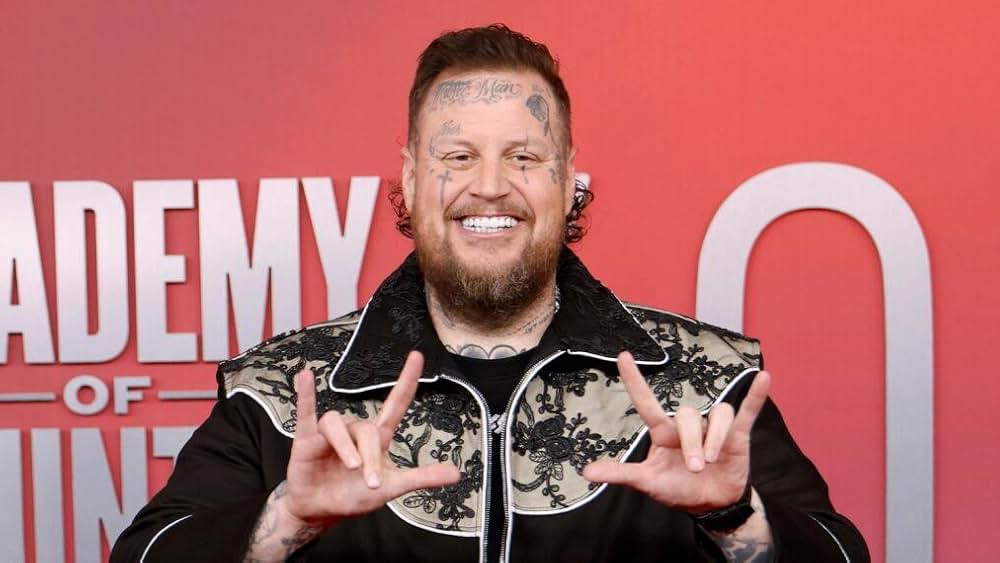
The speech that lit the fuse
When Jelly Roll, born Jason DeFord, stepped up to accept Best Contemporary Country Album for “Beautifully Broken,” he leaned hard into the story that built his fan base: a former “horrible human” who found grace. Onstage he talked about a time in his life when he was broken and said that is why he wrote the album, framing the project as a testimony of personal wreckage and repair rather than just a collection of hits, a moment later described as him saying, “There was a time in my life when I was broken. That’s why I wrote this album. I was a horrible human.” That set the emotional tone before he pivoted to the line that would dominate the discourse, his declaration that “Jesus is not owned by one political party,” followed by the insistence that “Jesus is Jesus and anybody can have a relationship” with him, a message captured in detail in coverage of his Grammy speech.
That framing was not accidental. Jelly Roll has been open about wanting to bring faith language into mainstream country and pop spaces without tying it to a party line, and he doubled down backstage when pressed on whether his comments were coded politics. He described himself as a “dumb redneck” who did not want to be a pundit, but he repeated that “Jesus is not owned by one political party” and argued that talking about God is something “we need more of in music,” a stance he laid out while fielding questions about whether his words were meant as a shot at either side, as detailed in follow up reporting on his backstage comments.
From praise to “religious psychosis”
What played in the room as a raw, revival-style moment landed very differently online. Within hours, critics were circulating clips of Jelly Roll’s speech and accusing him of going off the deep end spiritually, with one viral post claiming he was suffering from “Religious Psychosis” after praising Jesus during his Grammy Awards speech and calling the display “So Embarrassin,” language that appeared in a widely shared Facebook post. The phrase “religious psychosis” quickly became shorthand among detractors who saw his intensity as less about heartfelt belief and more about a kind of public breakdown dressed up as testimony.
Another version of the same critique spread through social media accounts that framed the country music star’s behavior as unhinged rather than inspiring. One Instagram roundup described how “Country music star Jelly Roll” had been accused of suffering from “religious psychosis” after he praised “Jesus” during his acceptance speech, highlighting commenters who wrote “SO EMBARRASSING, GET OVER YOURSELF” as proof that a chunk of the audience felt preached at instead of moved, a reaction captured in a widely circulated Instagram post. The language was harsh, but it tapped into a familiar discomfort with overtly religious performances on big secular stages, especially when they come from artists who are not marketed as Christian acts.
Accusations of being “very MAGA”
As the clips bounced around, the backlash shifted from theology to politics. Viewers who already suspected Jelly Roll of leaning right seized on the sermon-like tone and started labeling the speech “very MAGA,” arguing that the cadence, the shouting, and the focus on Jesus sounded like a campaign rally more than an awards show. One recap noted that he was recognized for Best Contemporary Country Album for “Beautifully Broken” but said he was “barely recognizable” to some fans after showing off his transformed look and fiery delivery, quoting critics who snapped, “Stop yelling and preaching,” a reaction that surfaced in coverage of how he was slammed for his.
Fueling that narrative were resurfaced images and political associations that had been floating around long before Grammy night. One detailed rundown of the controversy pointed out that at the Grammy Awards, Jelly Roll, identified by his given name Jason DeFord, accepted Best Contemporary Country Albu and then found himself under fire not just for the Jesus talk but because old pictures with President Donald Trump and South Dakota Governor Kristi Noem were recirculating with captions like “He is MAGA,” as described in a piece on how his speech “started the backlash” and how critics were more focused on what they believed he represented than on what he actually said, a dynamic laid out in a trending recap. In that framing, the Grammys moment was less a one-off spiritual outburst and more the latest data point in a pattern that critics say lines up neatly with the current president’s base.
Dodging ICE questions and the politics he insists he is not playing
The political storm did not stop at old photos. After the ceremony, Jelly Roll was asked about an ICE shooting and broader immigration enforcement, and he chose not to weigh in, a decision that only intensified the sense that he was trying to have it both ways. One social media breakdown noted that during his speech for his album win, Jelly Roll praised the Lord and then later declined to comment on ICE, quoting him saying, “I know they’re going to ask me about politics, but I’m here to talk about music,” before pivoting back to his tour plans and the “Rock the Country” festival, a sequence described in an Instagram breakdown. For critics, that looked like a calculated dodge: bold enough to preach, careful enough to avoid a headline about immigration.
Jelly Roll has tried to draw a bright line between his faith talk and partisan politics, but the questions keep coming. Another account of the uproar highlighted how he was accused of suffering from “Religious Psychosis” after praising Jesus during his Grammy Awards Speech and noted that the phrase “So Embarrassin” was being thrown around in comment sections, underscoring how quickly spiritual language gets read through a political lens when it comes from a country star with perceived ties to conservative figures, as seen in a follow up Facebook update. His insistence that he is not trying to be a spokesperson for any side has done little to slow the rush to categorize him.
Fans, faith, and what comes next
For all the outrage, Jelly Roll’s core story still resonates with a lot of people who see their own mess in his. Earlier coverage of his Grammy night emphasized that he framed “Beautifully Broken” as the product of a man who had been “a horrible human” and found a way out, and that he wanted to make clear that “Jesus is for everybody,” a sentiment he repeated when he said “Jesus is not owned by any political party” and stressed that anyone can have a relationship with him, as recounted in reporting on how the “Save Me” singer tried to keep his message focused on grace rather than elections, a nuance captured in a piece that described how, while the “Save Me” singer avoided explicit political messaging backstage, he still insisted that Jesus is for everybody, a detail laid out in coverage of his post-show stance. That framing helps explain why so many fans are willing to ride out the controversy with him, seeing the backlash as proof that open faith is still a risky move in mainstream entertainment.
More from Vinyl and Velvet:

Leave a Reply