

You will find the introduction below.
He rose to fame as Dawson Leery and anchored a generation’s on-screen coming-of-age stories; James Van Der Beek died Feb. 11 at age 48 after a battle with stage 3 colorectal cancer. His passing closes a chapter on a career that included landmark roles in Dawson’s Creek and Varsity Blues and a public fight with illness that humanized him to millions.
Expect a look at his legacy in television and film, how his personal life and cancer journey shaped public conversations, and why his work still matters to those who grew up with him.
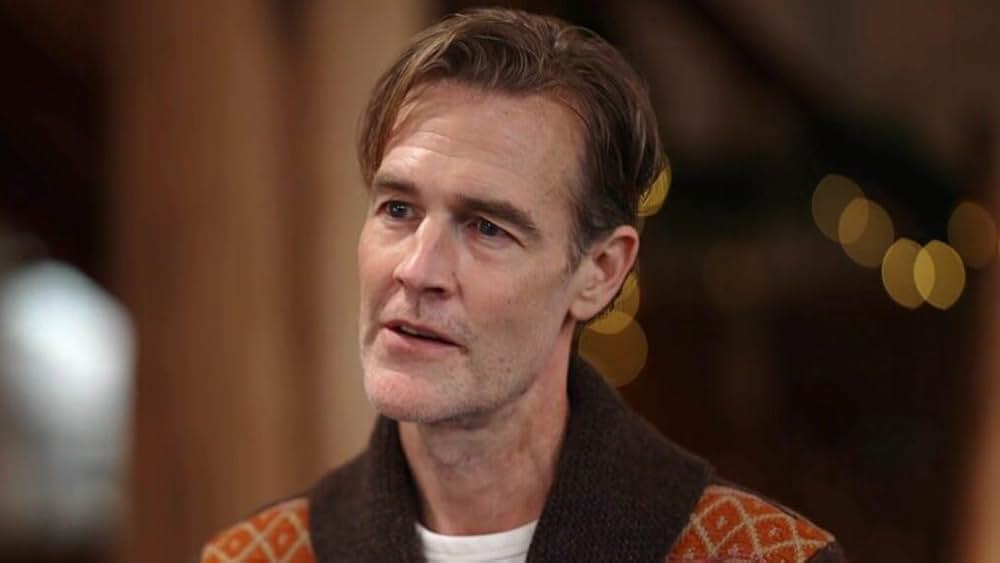
Legacy of James Van Der Beek in Television and Film
Van Der Beek left a lasting mark through a mix of iconic lead roles, genre shifts, and steady television work that kept him visible across decades. His career combined a defining 1990s teen drama presence with later choices that showed range and self-aware humor.
Dawson’s Creek and the Rise of Dawson Leery
Van Der Beek’s portrayal of Dawson Leery made him a face of 1990s teen television on the WB network. The show launched in 1998 and ran for six seasons, turning co-stars Katie Holmes, Michelle Williams, and Joshua Jackson into household names and shaping the era’s serialized teen drama format.
Dawson’s Creek gave Van Der Beek a platform for emotionally driven storylines, which influenced later teen series including One Tree Hill. The character’s earnestness and moral dilemmas became cultural touchstones, often discussed in TV criticism and popular retrospectives.
Varsity Blues and Cultural Impact
His role in Varsity Blues in 1999 expanded Van Der Beek’s profile beyond television into a commercially successful teen film. The movie topped box offices, introduced him to a broader audience, and helped cement his image as a leading man of youth-focused cinema.
Varsity Blues became a touchstone for late-90s teen sports dramas and is still cited in discussions about the decade’s pop-culture landscape. The film’s cast, including future stars, contributed to its lasting recognition among fans and critics.
Memorable Roles in TV and Film
Van Der Beek diversified his credits with comedic, dramatic, and self-referential parts. He played against type in films like The Rules of Attraction, appeared in Jay and Silent Bob Reboot, and joined genre TV shows such as CSI: Cyber and Criminal Minds.
He embraced meta roles — notably on Don’t Trust the B—- in Apartment 23 and guest turns on How I Met Your Mother and Modern Family — that showcased his willingness to lampoon his Dawson image. He also worked on projects ranging from Pose to family-friendly voice work on Vampirina, and appeared in reality and variety formats including Dancing with the Stars and The Masked Singer.
Tributes and Response from Fans and Co-Stars
Following his death, peers and viewers shared tributes that highlighted personal warmth and professional impact. Former co-stars publicly remembered their time on Dawson’s Creek, and fans organized memorials online and contributed to a GoFundMe supporting his family.
Industry figures and collaborators — from TV colleagues to creators who cast him in later work — emphasized his adaptability and dedication. Tributes referenced both his early teen-drama stardom and later projects, underscoring the breadth of his career across film, television, and stage-related appearances.
Personal Life, Battle with Cancer, and Enduring Influence
Van Der Beek prioritized family, health, and creative work while facing intense public attention. He balanced parenting, treatment, and occasional acting roles, and his choices shaped how fans remember him.
Family, Relationships, and Children
James Van Der Beek married Kimberly Brook (now Kimberly Van Der Beek) in 2010. They built a family of six children: daughters Olivia, Annabel, Emilia, and Gwendolyn, and sons Joshua and Jeremiah. He frequently described parenting as central to his identity and publicly credited Kimberly for steadying the family through his health crises.
He and Kimberly shared responsibilities visibly on social media and in interviews, showing everyday caregiving—school drop-offs, bedtime routines, and family celebrations. Van Der Beek emphasized honesty with his children about difficult topics, saying age-appropriate truth helped them cope and participate in his care. Past relationships, including with actress Heather McComb earlier in his career, appeared in biographical overviews but did not define his later family life.
Colorectal Cancer Diagnosis and Public Journey
Van Der Beek announced a diagnosis of stage 3 colorectal cancer in November 2024 after symptom onset in 2023 and diagnostic colonoscopy. He described initial shock at the diagnosis and then a pragmatic approach to treatment, balancing optimism with uncertainty about outcomes. Public comments indicate he underwent standard multimodal care consistent with stage 3 colorectal cancer, including surgery and systemic therapy, while keeping some specifics private.
He spoke about the emotional toll of living with unknowns—treatment effectiveness, recurrence risk, and changing roles within his household. He continued working intermittently, appearing on television projects and reality programming, and used interviews to raise awareness about screening and early detection. Coverage of his final months notes a decline in health in late 2025 and his death on February 11, 2026, at 48, acknowledged by his wife on social media.
Life Beyond Acting and Advocacy
Beyond television and film, Van Der Beek engaged in projects that connected to family and performance, including reality and stage work. He returned to acting in supporting roles while emphasizing presence at home. Participation on shows like The Masked Singer offered creative outlets that also permitted mental respite during treatment.
He increasingly used his platform for advocacy around colorectal cancer awareness and the importance of listening to symptoms. Interviews and social posts blended personal narrative with practical advice on screening, especially for younger adults who may assume cancer is a risk only with older age. He also highlighted mental-health aspects of illness—parental vulnerability, the need for caregiving support, and faith—shaping modest advocacy efforts rather than large-scale institutional campaigning.
Lasting Impact on Pop Culture and Younger Generations
Van Der Beek’s portrayal of Dawson Leery anchored a late-1990s and early-2000s teen-drama moment that influenced storytelling about adolescence. The role and subsequent career choices made him a recognizable figure to fans who grew up with the series and to younger viewers discovering the show later on streaming platforms. His public candor about illness and fatherhood added layers to his public image, moving him from teen-heartthrob to a figure associated with resilience and family devotion.
Writers, creators, and performers cite the emotional specificity of shows like Dawson’s Creek when discussing serialized teen drama. Van Der Beek’s willingness to discuss mortality, parenting during illness, and advocacy for colorectal cancer screening broadened his cultural footprint beyond acting credits. Institutions connected to his early life and training, including his time at Drew University, appear in biographical notes and contribute to narratives about his professional formation.
More from Vinyl and Velvet:

Leave a Reply