

You’ll get a concise, clear take on why Jake Paul clashed with Bad Bunny over the Super Bowl halftime show and why his Puerto Rico residency matters to the controversy. He called Bad Bunny a “fake American” and then walked back parts of that claim while insisting his residency in Puerto Rico doesn’t undercut his criticism, sparking pushback from public figures and family.
Expect a breakdown of Paul’s initial social posts, his follow-up clarification, and how that sequence touched on citizenship, political views, and cultural identity tied to Puerto Rico. The next sections will unpack his comments, the reaction they provoked, and why where he lives shapes how people interpret his stance.
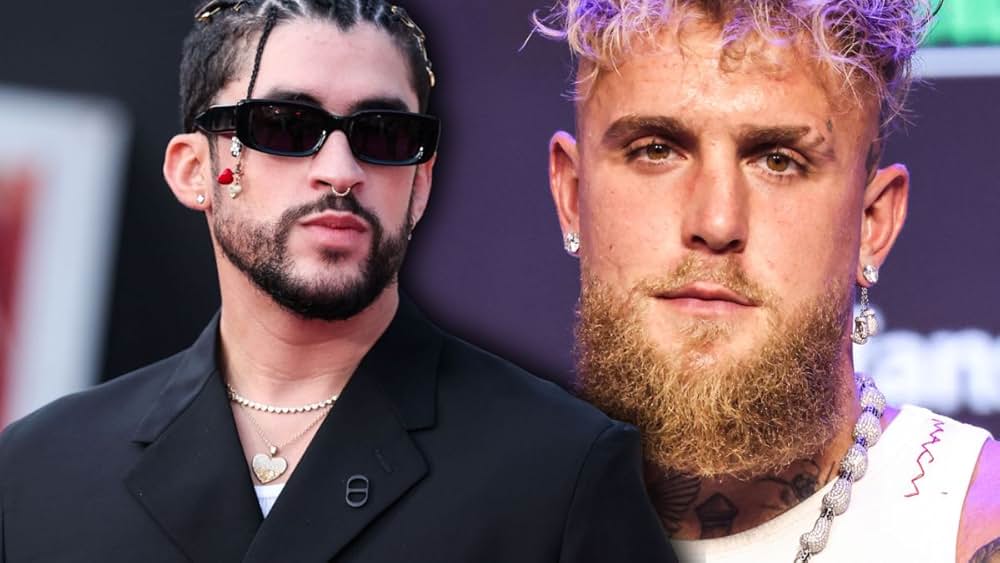
Jake Paul’s Criticism of Bad Bunny’s Super Bowl Halftime Show
Jake Paul accused Bad Bunny of being a “fake American” and urged followers to boycott the Super Bowl halftime show, then quickly tried to clarify his words amid a large online backlash. Social posts and replies fueled a debate about Puerto Rican citizenship, national criticism, and how public figures should use their platforms.
Jake Paul’s Original Statements and Social Media Reaction
Jake Paul posted on X telling fans to “turn off this halftime” and labeled Bad Bunny a “fake American citizen,” citing the singer’s public criticism of U.S. immigration enforcement. The post circulated widely and drew corrective notes pointing out that people born in Puerto Rico are U.S. citizens under law since 1917.
He followed up over the next day, saying the word “fake” was misinterpreted and that he meant Bad Bunny’s values, not his legal status. Paul also changed his profile and tweeted that he loved Bad Bunny and Puerto Rico, while still criticizing the singer’s stance on ICE and immigration policy.
The original tweet prompted rapid engagement, mixed reactions, and fact-checks. Many users framed the remark as inaccurate about Puerto Rican citizenship, and the post became a flashpoint for broader conversations about nationality, celebrity criticism, and political expression on social media.
Response from Logan Paul and the Paul Brothers’ Public Disagreement
Logan Paul publicly disagreed with Jake, explicitly stating that “Puerto Ricans are Americans,” and praising the halftime appearance as an opportunity to showcase Puerto Rican talent. The disagreement played out on X and across other platforms, making the family divide part of the story.
Logan’s rebuttal landed with fans who felt Jake’s remarks were incorrect or insensitive. The split highlighted how two high-profile brothers with large YouTube and social followings can influence separate audiences and create distinct public narratives.
Their exchange shifted attention from the halftime performance itself to the Paul brothers’ dynamic — a mix of sibling rivalry, public relations moves, and differing political stances that kept the controversy in media cycles beyond the game.
Backlash and Key Arguments Over Puerto Rican Identity and U.S. Citizenship
Critics pointed to legal and historical facts: Puerto Ricans have been U.S. citizens since the Jones-Shafroth Act of 1917, which undercuts the “fake citizen” label. The correction appeared as community notes and widespread rebuttals online, pressing Jake Paul to clarify his wording.
Supporters of Paul framed his comments as targeting Bad Bunny’s perceived political stance rather than legal nationality, arguing that public figures who criticize America while benefiting from U.S. platforms invite scrutiny. Opponents said that conflating political disagreement with citizenship status spread misinformation and disrespected Puerto Rican identity.
This controversy mixed legal facts, cultural identity, and partisan sentiment, with Bad Bunny, Jake Paul, and Logan Paul at the center. The debate underscored sensitivity around Puerto Rico’s status, while also showing how a single social post can escalate into a national conversation about citizenship and public criticism.
Puerto Rico Residency Debate and Cultural Reactions
Jake Paul defended his residence in Puerto Rico while criticizing Bad Bunny’s Super Bowl set and drew responses across entertainment and political circles. Reactions touched on citizenship, tax rules, celebrity opinions, and how the halftime show intersected with U.S. immigration politics.
Jake Paul’s Residency and Tax Controversy in Puerto Rico
Paul’s claim of living in Puerto Rico became central after he criticized Bad Bunny. Puerto Ricans are U.S. citizens by birthright, a fact that undercut his initial “fake American” phrasing and prompted corrections on social platforms.
Residency in Puerto Rico carries tax and legal implications; several public figures have cited island residency for tax reasons, and critics questioned whether Paul’s statements matched the interests tied to his reported move. Logan Paul publicly disagreed with his brother’s phrasing, emphasizing Puerto Ricans’ American citizenship and cultural contribution.
Discussion also referenced other athletes and celebrities with Puerto Rico ties, such as Amanda Serrano, who defended the island and criticized attacks on its artists. The residency debate became less about geography and more about perceived respect for Puerto Rico’s identity and legal status.
Super Bowl Halftime Performance Guests and Pop Culture Impact
Bad Bunny’s halftime show featured high-profile elements that amplified cultural conversation. Celebrity cameos, choreography, and references to Puerto Rican identity drew praise from fans and fellow artists, while sparking backlash among some conservative commentators.
Artists like Ricky Martin, Cardi B, Karol G, and other Latinx figures were referenced widely in social feeds; Jessica Alba and Pedro Pascal appeared among commentators noting the performance’s broad reach. Media outlets highlighted how the set pushed Latin music into a major mainstream moment at Super Bowl LX.
The show’s pop culture footprint included trending clips, memes, and debate over representation. That attention influenced streaming and social metrics, and it prompted public defenses and criticisms that linked entertainment choices to broader cultural values.
Political and Social Commentary Including Criticism of ICE and Trump
Bad Bunny’s past criticism of U.S. immigration enforcement and the Trump Administration became part of the halftime discourse. He has publicly opposed certain ICE tactics, which inflamed commentators who framed his statements as anti-American.
Jake Paul responded by attacking those political stances, then clarified he meant the singer’s values, not his citizenship. The exchange referenced other public figures like Hunter Hess, whose comments on national representation drew similar ire from conservative circles.
Debate spilled onto platforms such as X and Truth Social, with partisan commentary from supporters of Donald Trump and critics calling for “ICE out” or defending enforcement, depending on viewpoint. The political layer intensified reactions to the halftime set, making the performance both an entertainment moment and a flashpoint in immigration and identity politics.
Relevant reporting on Paul’s comments and the ensuing reactions appears in coverage of his backtrack and the halftime show, for example in articles from USA Today and Variety.
More from Vinyl and Velvet:

Leave a Reply