

Donald Trump is sitting out Super Bowl LX, and he is not doing it quietly. After days of speculation about whether the president would make an appearance, he has ruled it out while ripping the halftime choices and stoking a fresh fight with the NFL over politics, culture, and immigration.
His decision, framed as both a matter of principle and logistics, lands in the middle of an already tense buildup to the game. With Bad Bunny and Green Day set to headline and immigration enforcement warnings swirling around the event, Trump’s absence has turned into another flashpoint in a Super Bowl week that was supposed to be about football.
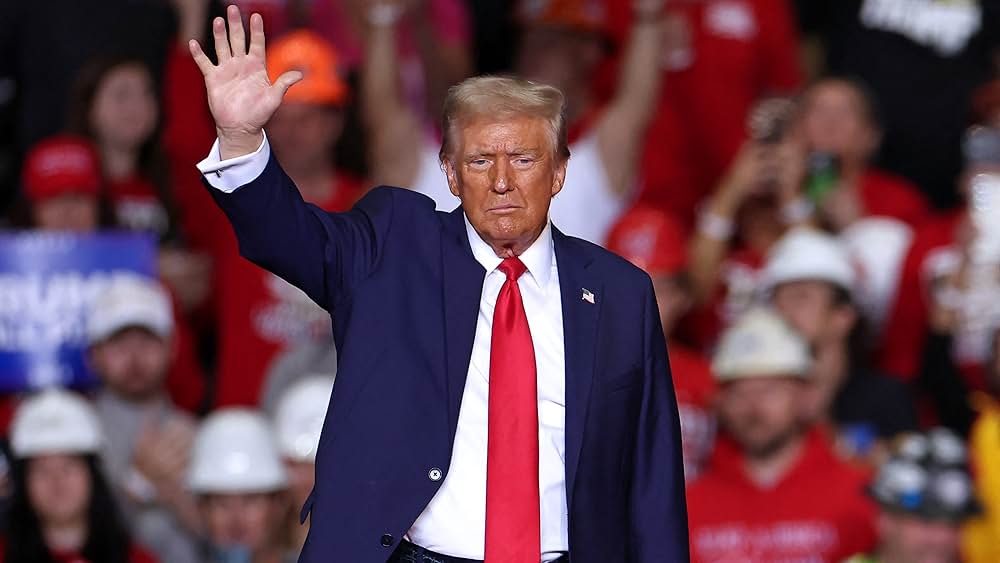
Trump’s Super Bowl No‑Show Becomes a Statement
Trump is not just skipping Super Bowl LX, he is turning the decision into a political message. He has made clear that he will not attend the Super Bowl, telling reporters that he has no plans to be in the stadium and that fans should not expect a presidential cameo on the big broadcast. In his telling, this is not a scheduling conflict or a quiet decline, it is a deliberate choice to stay away from a show he believes has drifted too far from his values, a point he underscored when he said he would not be in the building for the game or the halftime performance by Bad Bunny and Green Day, according to President Trump says.
By framing his absence as a stand against the entertainment choices and the broader direction of the event, Trump is effectively turning the Super Bowl into another front in his ongoing culture war. He has already used the run‑up to the game to criticize the halftime lineup and to question whether the NFL is listening to fans who share his politics. That posture, combined with his insistence that he will not be part of the spectacle, has turned what might have been a routine “not attending” note into a headline‑driving declaration that he is distancing himself from the league’s biggest night.
Halftime Heat: Bad Bunny, Green Day, and a Culture Clash
At the center of Trump’s frustration is the halftime show, where Bad Bunny and Green Day are set to share the stage. Trump has not been subtle about his feelings, calling the artists a “terrible choice” and arguing that the pairing sends the wrong message to the country. He has leaned into the idea that the selection of Bad Bunny and Green Day for Super Bowl LX reflects a cultural agenda he opposes, using the moment to rally supporters who already see the entertainment industry as hostile to their politics, a critique he sharpened when he blasted the Super Bowl LX lineup.
His comments have put Bad Bunny and Green Day in the crosshairs of a familiar debate about who the Super Bowl is really for. Supporters of the artists see the booking as a reflection of the league’s global reach and its desire to tap into younger, more diverse audiences. Trump’s camp, by contrast, is treating the choice as another example of the NFL ignoring traditional fans in favor of what they view as coastal tastes and political signaling. By turning the halftime show into a proxy fight over identity and ideology, Trump has ensured that the performance will be dissected as much for its symbolism as for its set list.
From Logistics to Ideology: How Trump Framed His Decision
Trump has not limited his explanation to cultural grievances. He has also pointed to the practical headaches of getting to the game, mentioning the distance and logistics of the trip as part of his reasoning. In his account, the travel demands and security footprint required for a presidential visit to Super Bowl LX would be significant, and he has suggested that the hassle is not worth it for an event he already views with skepticism. He has described the journey and coordination as a factor, even as he made clear that the ideological clash over the halftime show is what really pushed him away, a balance he laid out when Trump also mentions and logistics alongside his cultural objections.
Still, the way he has talked about the decision leaves little doubt about his priorities. The travel explanation sounds more like a supporting argument than the main event, a way to round out the story rather than the core reason he is staying home. The sharper edge is reserved for his criticism of Bad Bunny and Green Day and his broader complaint that the NFL is leaning into politics he rejects. By pairing a nod to logistics with a full‑throated ideological critique, Trump is trying to make his absence sound both reasonable and defiant, a mix that plays well with supporters who see him as standing up to institutions they no longer trust.
“It’s a Bad Call”: How a Football Phrase Became Political Ammo
In the middle of all this, a simple football phrase has taken on a second life. “It’s a bad call” is the kind of thing fans shout at referees, but it has become a handy shorthand for critics who think the NFL misjudged the moment with its halftime choices and its handling of politics around the game. The phrase surfaced in a different context when Campbell, reacting to a controversial decision in a Packers game, said “It’s a bad call” and added “I shouldn’t,” a raw sideline reaction that captured how quickly judgment can turn on a single decision, as reflected when Campbell said “It’s after a tight loss.
Trump’s allies have latched onto that same language to describe the league’s approach to Super Bowl LX, arguing that the combination of a politically charged halftime show and heightened immigration enforcement talk is a misread of the fan base. In their telling, the NFL is making the kind of mistake a coach makes when he calls the wrong play at the worst possible time. The phrase “bad call” has become a catch‑all critique, covering everything from the choice of Bad Bunny and Green Day to the perception that the league is comfortable with federal agencies using the event as a stage for tougher messaging.
Immigration Tension and Talk of ICE at the Super Bowl
Layered on top of the culture fight is a more concrete source of anxiety: immigration enforcement. A Trump advisor has said that ICE agents will be at the Super Bowl for enforcement purposes, tying the game directly to the administration’s broader crackdown. That comment, folded into coverage that also mentioned Donald Trump’s greatest political priorities, signaled that the event would not just be a party for football fans but also a showcase for the president’s immigration agenda, a point underscored when a Trump Advisor Says at the Super Bowl for enforcement.
That kind of warning changes the atmosphere around the game. For some fans, especially those from immigrant communities, the idea of a heavy ICE presence at a high‑profile event can feel less like routine security and more like a message. Trump’s critics argue that tying immigration enforcement so publicly to Super Bowl LX risks turning a unifying national moment into another wedge issue. Supporters counter that the president is simply prioritizing law enforcement at a massive gathering. Either way, the talk of ICE agents at the stadium adds another layer of tension to a week already charged by Trump’s decision to stay away and his attacks on the halftime performers.
Trump’s Media Blitz: From The Post to Sports Outlets
Trump has not left his Super Bowl stance to anonymous aides or quiet leaks. He has personally walked through his reasoning in interviews, including a conversation with The Post where he said he was skipping the Super Bowl and again singled out Bad Bunny and Green Day. In that exchange, Trump framed his absence as a response to what he sees as a misguided entertainment strategy, telling The Post that he did not want to lend his presence to a show built around artists he believes do not represent his supporters, a point he made when Trump tells The the Super Bowl and slamming Bad Bunny and Green Day.
He has also allowed sports‑focused outlets to carry his message, a sign that he understands how much political capital is wrapped up in football fandom. By talking directly to audiences that care deeply about the game, Trump is trying to position himself as the voice of the “real” fan who feels alienated by the league’s choices. The strategy mirrors his broader media approach: bypass traditional political channels when it suits him, lean into platforms that reach specific cultural tribes, and make sure his side of the story is front and center before the game even kicks off.
When Sports Crowds Turn Ugly: Lessons from Arizona vs BYU
The tension swirling around Super Bowl LX is not happening in a vacuum. Sports arenas have become flashpoints for cultural and religious friction, and recent history offers a cautionary tale. In a college basketball game involving Arizona and BYU, the matchup ended in controversy after a number of calls went BYU’s way, and as the players left the court, chants targeting Mormon identity rang out from parts of the crowd. The incident, which unfolded in Arizona’s home arena, forced the school to apologize for anti‑Mormon chants that erupted as the game ended, a moment captured when Arizona apologize for after the team’s loss to BYU.
That episode is a reminder of how quickly a sporting event can tilt from passion to hostility when identity and grievance get mixed into the noise. As Trump’s criticism of Bad Bunny and Green Day and the talk of immigration enforcement swirl around Super Bowl LX, league officials and local organizers will be keenly aware of how easily a crowd can latch onto a political or cultural target. The Arizona and BYU game showed that when fans feel wronged, whether by referees or by broader forces they project onto the arena, the chants can turn personal fast. The NFL’s challenge is to keep the focus on the field and the music, not on the fault lines that have already made this Super Bowl feel more combustible than celebratory.
Local Fans, National Spotlight: The View from Baltimore to Ellicott City
While the national conversation fixates on Trump and the halftime show, local stories around the Super Bowl carry a different tone. Coverage of Super Bowl‑related news has highlighted how the game touches communities far from the host city, including features on a man from Ellicott City who is involved with the Bowl this year. In that reporting, one line jumps out: “Obviously everyone thinks it’s a bad call,” a phrase that captures how even local angles can echo the broader frustration swirling around the event, as seen in a segment where a man from Ellicott City is on the Bowl this year and someone remarks, “Obviously everyone thinks it’s a bad call.”
Those local snapshots show how the Super Bowl functions as both a national spectacle and a patchwork of hometown stories. For fans in places like Baltimore and Ellicott City, the game is a chance to see neighbors on a big stage, to argue about coaching decisions, and to feel connected to something larger. Yet even there, the language of “bad calls” and second‑guessing seeps in, mirroring the way Trump and his allies talk about the NFL’s choices. The same phrase that describes a questionable flag or a controversial roster move now doubles as a critique of the league’s cultural direction, blurring the line between football talk and political commentary.
More from Vinyl and Velvet:

Leave a Reply