

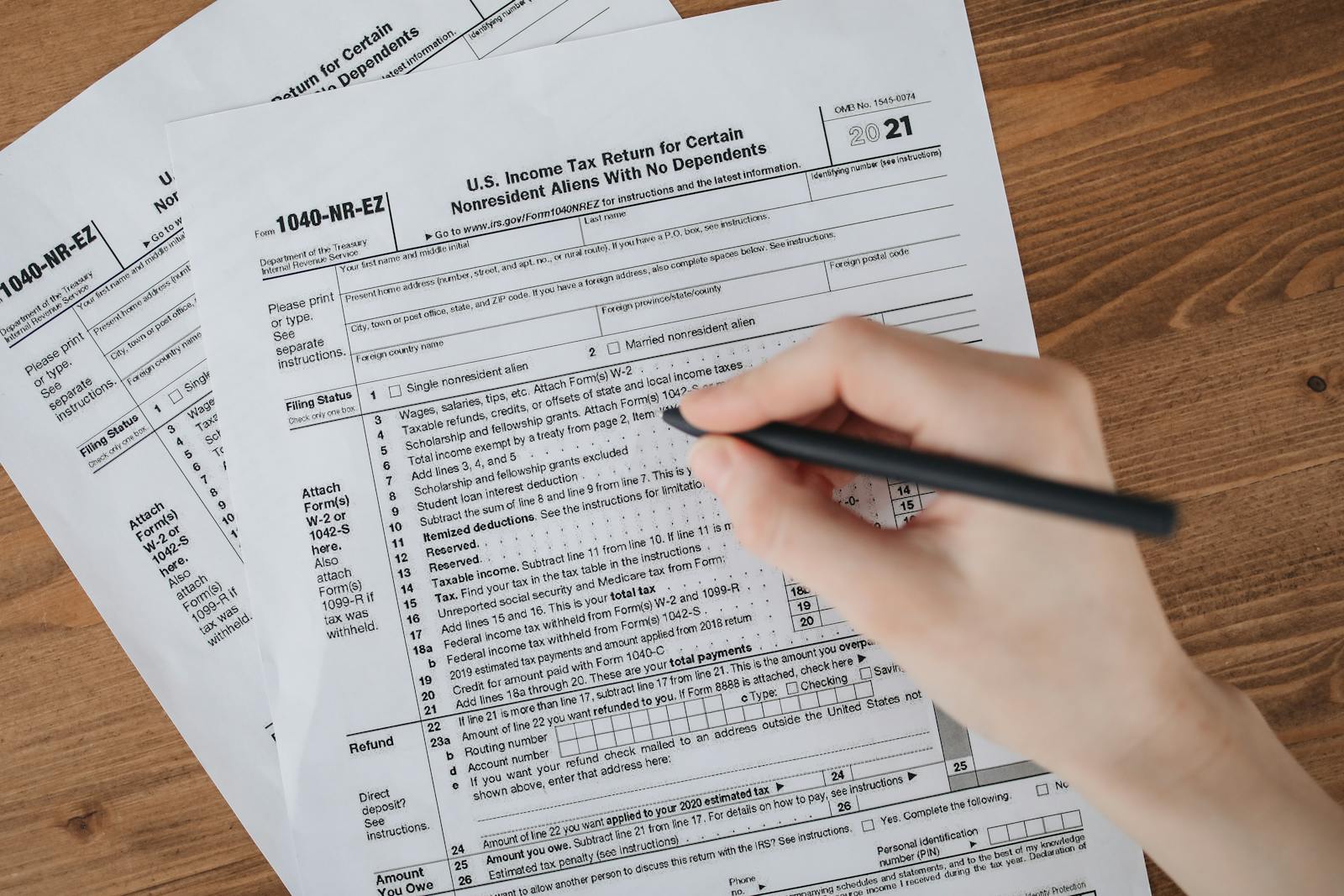
This week the IRS expects a surge of calls and filings, so anyone filing now should expect longer phone waits and heavier traffic on online services. Choose e-file with direct deposit and you’ll likely get your refund faster and avoid the delays tied to paper checks or frozen payments.
They can take advantage of online tools like Where’s My Refund and the Interactive Tax Assistant to checkstatus and answer eligibility questions without waiting on hold. The next sections explain why this week gets so busy and the two simple moves that cut wait time and help protect your payment.
Why Filing Taxes This Week Is So Busy — And What It Means for Your Refund
This week sees a spike in electronic and paper filings, higher call volumes, and pressure on IRS processing staff. Those factors can lengthen refund timelines and raise chances of errors or rejects that delay a refund status update.
IRS Warnings About Peak Filing Season
The IRS and its watchdog have flagged that the filing season often peaks early to mid-season, creating concentrated workloads. They warn taxpayers that reduced staffing and higher inventories of returns—especially amended and paper returns—make those peak weeks the hardest for on-time processing.
Taxpayers who file electronically with accurate data tend to move through the system faster. The IRS expects most e-filed, error-free returns to be processed within about 21 days, but the agency cautions that backlogs or tech issues can extend that window. For those tracking refund status, longer processing means delayed refunds and slower updates in online tools.
How Tax Season Delays and Staffing Cuts Impact Refunds
Staffing reductions in processing units and IT teams reduce the IRS’s capacity to clear rejects, correct errors, and answer refund status inquiries. When employees are fewer, the IRS relies more on overtime and limited-skill hires, which can slow complex cases like amended returns or identity-verification holds.
Lower staffing also affects telephone and in-person help, so taxpayers with questions about refund status face longer waits. Delayed system updates and incomplete automation can keep returns stuck in inventory, increasing the odds taxpayers wait weeks or months for a refund rather than days.
Common Causes of Refund Delays During Busiest Weeks
- Incorrect or missing Social Security numbers, names that don’t match Social Security records, and math errors that trigger rejects.
- Claims needing identity verification or additional documentation, which pause automated processing until manual review.
- Amended returns and paper filings, which enter slower, manual workflows and can add months to refund timing.
- System errors, processing backlogs from prior shutdowns, and hiring shortfalls that leave returns in inventory longer.
Taxpayers can check refund status online, but expect updates to lag during peak weeks. If a return is rejected or flagged, the refund status will typically move to a manual review step, and the taxpayer should watch communications for requests to confirm identity or provide missing documents.
Two Simple Moves to Get Your Tax Refund Faster
Filing electronically and using direct deposit cut weeks off refund timing. Gathering accurate tax records and choosing the correct filing status further prevents processing delays.
File Electronically to Speed Up the Process
They should file their federal return electronically rather than mailing a paper Form 1040. E-filing reduces manual data entry, lowers math-error rates, and triggers faster IRS processing systems, which typically move e-filed returns through the pipeline in under three weeks when there are no issues.
Tax software and many tax pros validate fields and flag missing Social Security numbers, mismatched names, or unsigned forms before submission. They should confirm dependent SSNs, birthdates, and the filer’s prior-year adjusted gross income (AGI) if required for e-signature validation. Using e-file also makes it easier to correct a return quickly if the IRS requests more information.
Choose Direct Deposit Over Paper Refund Checks
Selecting direct deposit delivers the refund straight to a bank account, avoiding postal delays and lost checks. They can split a refund into up to three accounts in one return, which helps allocate money to checking, savings, or a prepaid card in one step.
They must double-check the routing and account numbers before submitting. An incorrect digit will delay deposit and might require the IRS to reissue a paper check, adding weeks. For those without traditional bank accounts, many prepaid cards and mobile banking apps provide valid routing/account numbers compatible with IRS direct deposit.
Preparing Your Tax Records and Selecting the Right Filing Status
They should assemble W-2s, all 1099s, Form 1095-A if applicable, prior-year tax returns, and documentation for credits (child care, education) before starting. Having these records ready prevents last-minute input errors that trigger IRS notices or audits and slow refund issuance.
Choosing the correct filing status (single, married filing jointly, married filing separately, head of household, or qualifying widow(er)) matters because it changes tax calculations and eligibility for credits. If married, both spouses must sign a joint return; missing a signature will return the filing as incomplete. If unsure about status, they should consult IRS guidance or a preparer to avoid reprocessing.
Using IRS Free File and Direct File Tools for Quick Filing
Taxpayers with adjusted gross income at or below IRS thresholds can use IRS Free File for guided, no-cost preparation and e-filing. Free File vendors walk filers through data entry, reduce errors, and submit returns electronically, which speeds processing.
The IRS’s Direct File option (when available) provides a streamlined, government-hosted e-file experience without commercial software. Both Free File and Direct File validate basic identity fields and prompt for the digital assets question and other required items, minimizing common omissions that delay refunds. They should choose the tool that matches their income and comfort level, and keep confirmation numbers after submission.
More from Vinyl and Velvet:

Leave a Reply