

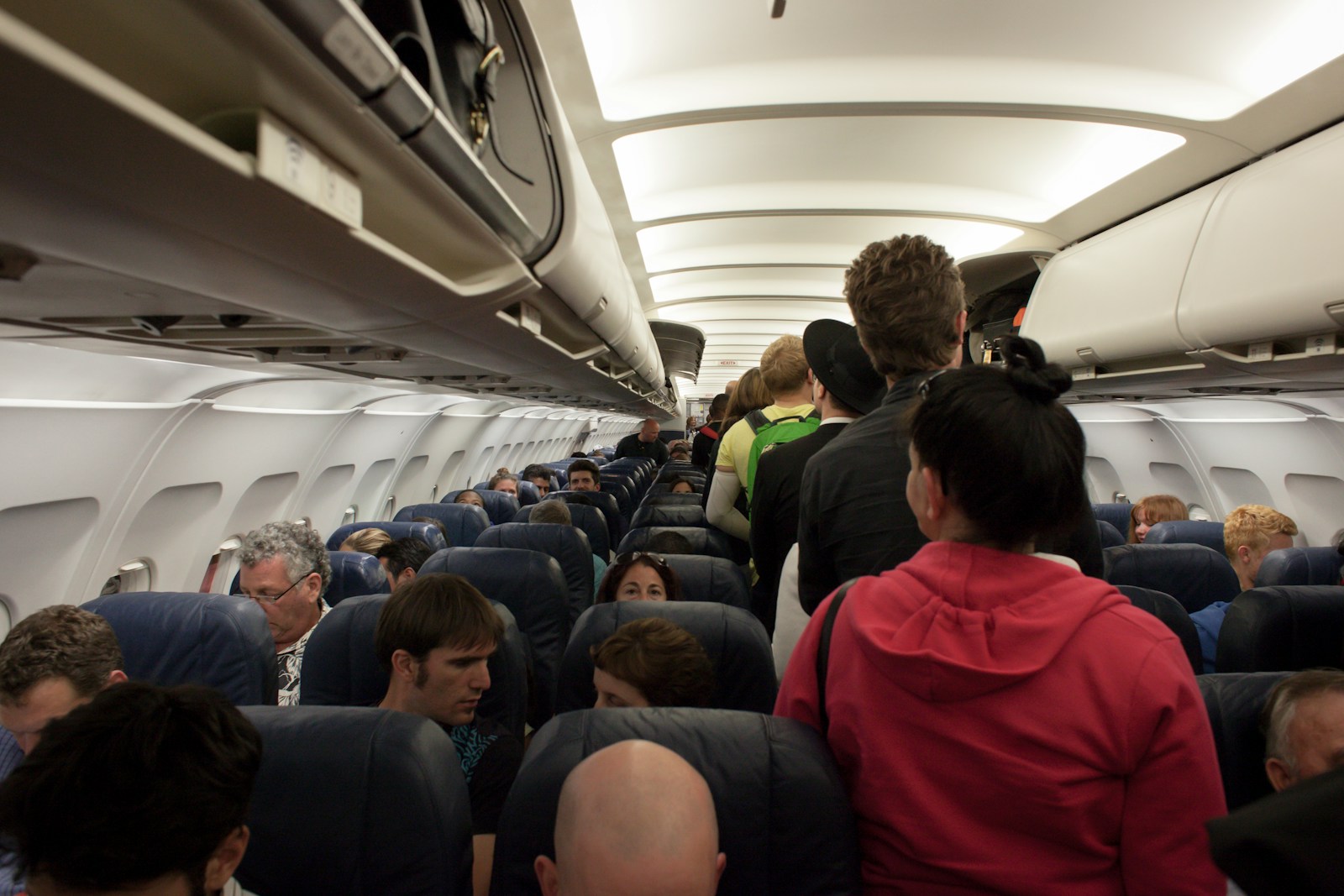
As Texans stocked up on bottled water and firewood ahead of another brutal cold snap, a familiar image popped up on their phones: Sen. Ted Cruz settling into an airplane seat bound for the West Coast. The timing, just days before a major winter storm threatened to slam the state’s power grid again, was all it took for the internet to light up. Within hours, the photo had turned into a full‑blown online referendum on what leadership should look like when the forecast turns ugly.
The uproar was not just about one trip. It tapped into lingering anger from the 2021 grid disaster and a sense that Texas still has not fully answered for how fragile its infrastructure can be when temperatures plunge. This time, instead of Cancun, the destination was California, and the question ricocheting across social feeds was simple: why was a Texas senator heading for sunshine while his state braced for ice?
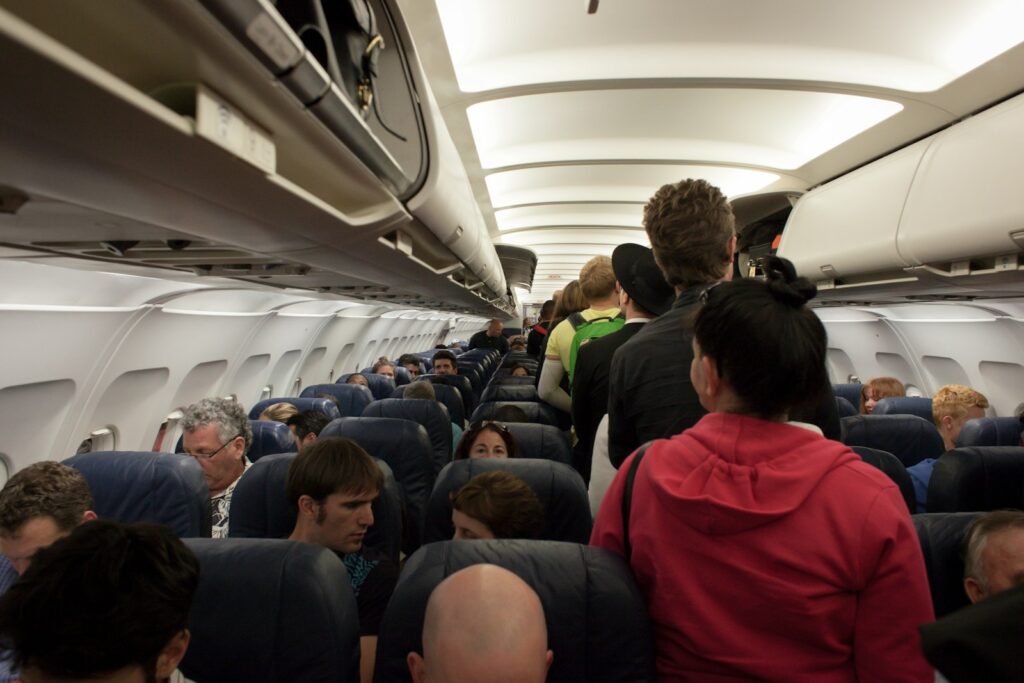
The photo that kicked off the latest Cruz storm
The spark came from a single snapshot. A traveler recognized Sen. Ted Cruz on a commercial flight leaving Texas and snapped a picture that appeared to show him headed for Laguna Beach just as forecasters warned of a weekend packed with ice and sleet. The image, shared widely on social media, showed the junior United States Senator from the great state of Texas in a window seat, headphones on, looking like any other passenger trying to get comfortable before takeoff.
Once the post started circulating, users quickly connected the dots to reporting that Sen. Ted Cruz had been spotted on a flight from Texas to Cali as the storm threat grew. The destination, sunny California, only sharpened the contrast with the icy blast Texans were told to expect back home. It did not matter that senators do not manage power lines or plow roads. The optics of a high‑profile lawmaker flying toward the beach while his state prepared for another grid test were enough to set the narrative.
Why Texas was on edge about another freeze
To understand why one airplane photo hit such a nerve, it helps to remember how raw the subject of winter weather still is in Texas. The state’s power grid, overseen by ERCOT, has been under a microscope since the deadly 2021 outages, and every new cold front now comes with a side of anxiety. Opinion writers have been blunt that the real question is not where Cruz spends a weekend but whether the grid can handle another deep freeze and whether state leaders have done enough to harden the system since Winter Storm Uri, which some users explicitly referenced when they pointed to California and the deadly Winter Storm Uri.
Columnists have argued that the outrage over Cruz’s travel risks distracting from more urgent questions about ERCOT’s performance and the state’s long‑term planning. One writer flatly said, “I’m not mad at Cruz,” then pivoted to a list of concerns about how prepared the grid really is, urging readers to focus on whether Texas can keep the lights on rather than on one senator’s itinerary. That same commentary, which referenced Cruz heading to California, captured a broader tension: people are furious at the symbolism, but they are also exhausted by the recurring fear that a cold snap could once again leave them in the dark.
From one viral post to a full‑blown meme cycle
The latest uproar did not grow in a vacuum. Earlier in the week, an X user named Shea Jordan Smith had already posted a photo of Cruz on a plane, helping prime the pump for what came next. On Tuesday, that image, shared by Shea Jordan Smith, circulated with captions that framed the senator as leaving Texas ahead of the winter storm, and it quickly migrated from weather watchers to political accounts.
By the time a longer video landed on Instagram, the narrative was locked in. In a reel posted by shea_jordan, the creator joked, “Slow news week? It was, but then the junior United States Senator from the great state of Texas decided to hop on a plane,” setting the tone for a wave of memes. The clip stitched together the airplane photo with footage of icy forecasts, leaning into the idea that the senator was chasing warmer skies while his home state braced for freezing rain. That mix of humor and frustration is exactly how modern political controversies tend to spread, and Cruz’s travel plans were suddenly everywhere.
“Fled Cruz” and the shadow of Cancun
Once the image hit wider circulation, it did not take long for old nicknames to resurface. Users on X revived “Fled Cruz,” a label that first took off after his 2021 trip to Cancun during Winter Storm Uri, and slapped it onto the new California saga. One person flatly wrote that “Fled Cruz is at it again,” while another joked that his travel habits had become “the Houston version of the waffle house index,” a reference captured in Houston‑focused commentary about the storm.
The comparison to his Cancun escape was not subtle. Commenters pointed out that this time the destination was California instead of Mexico, but the storyline felt familiar: a powerful official photographed heading somewhere warmer just as his constituents prepared for the worst. That echo made it easy for critics to argue that Cruz had not learned much from the earlier backlash, even as his allies insisted that a short trip to the Pacific coast was not the same as leaving the country during a historic blackout.
Cruz’s defense: a quick trip and a lot of shrugging
Faced with the new wave of criticism, Cruz and his team leaned on a simple defense. They said the senator had traveled to California for a previously scheduled event and emphasized that he remained in close contact with Texas officials about the incoming storm. In coverage that described WASHINGTON (TNND) noting the uproar, Sen. Ted Cruz was portrayed as catching heat online but largely brushing it off as a social media pile‑on rather than a serious critique of his job performance.
In a separate account of the trip, Cruz was described as setting off from Texas ahead of what some forecasts called a “catastrophic” winter storm, then dismissing the backlash as overblown. That reporting, which identified him as Sen. Ted Cruz of Texas, noted that some social media users condemned him while others argued he had the same right to travel as any civilian. That split reaction gave Cruz room to argue that the outrage said more about online culture than about his actual responsibilities.
How the internet split over the optics
Online, the reaction was anything but unified. Some users rolled their eyes and asked, “Who cares?” about the senator’s travel, a sentiment captured in coverage that described Mixed reactions pouring in on social media. Others, however, saw the trip as part of a pattern and used it to question whether Cruz takes his role seriously when Texas faces potential crises.
One widely shared opinion piece argued that obsessing over Cruz’s seat assignment misses the bigger picture, pointing out that the senator is not the one flipping switches at ERCOT and that Texans would be better served by grilling regulators and state agencies. That same commentary, which referenced California again, still acknowledged why the image stung: people remember being cold and scared in 2021, and they want to see their elected officials physically present when the forecast turns ugly, even if that presence is mostly symbolic.
The quick return and “sunshine, rainbows & unicorns”
As the backlash built, Cruz cut the trip short and headed back to Texas before the worst of the weather arrived. Local coverage noted that he returned to the state ahead of the winter storm and highlighted a post on X in which he tried to defuse the situation with humor. In that message, shared with a photo from the tarmac and credited as Courtesy of his account, he joked about “sunshine, rainbows & unicorns,” leaning into the idea that critics were painting his travel in cartoonishly dramatic terms.
Another report on his return, attributed By Mack Shaw and focused on Texas, framed the move as an attempt to get ahead of the narrative before the storm bore down. The backstory section laid out how the trip had unfolded and how quickly it turned into a political headache. By hustling back and posting his own spin, Cruz signaled that he understood the danger of letting the “Fled Cruz” storyline run unchecked, even if he still publicly mocked the outrage.
Snark, polls and the 59 percent problem
Cruz did not just rely on a quick flight home to manage the fallout. He also responded with a characteristically sharp tone, offering what one account described as a snarky answer after facing backlash for traveling ahead of a disastrous winter storm. In that coverage, Sen. Ted Cruz, identified as The Republican lawmaker, was quoted leaning into sarcasm about the criticism, effectively telling detractors that they were overreacting to a routine trip.
At the same time, new polling numbers hovered in the background. Reporting on the controversy noted that 59 percent of respondents in one survey said they disapproved of how Cruz handled the earlier Cancun episode, a figure that still shapes how many Texans view his travel choices. That detail appeared in a piece by Sophie Brams, which also referenced Jan and the way those earlier numbers still hang over the senator. When a majority that large has already signaled frustration, even a short hop to the West Coast can look like a political misstep waiting to happen.
What this says about modern outrage politics
Strip away the memes and the Cancun flashbacks, and the Cruz‑to‑California flap is really a case study in how quickly political narratives harden online. A single image from a plane to Laguna Beach, paired with a scary forecast, was enough to trigger a familiar script: screenshots, jokes, outrage, then counter‑outrage from people insisting the whole thing was overblown. Coverage that described WASHINGTON (TNND) noting how Sen. Ted Cruz faced a social media storm captured that cycle in real time.
At the same time, the episode underlines how much of modern politics is fought on the level of symbolism. Cruz’s defenders point out that he is one of two senators from Texas, not the head of ERCOT, and that he can make calls from any time zone. His critics counter that leadership is partly about showing up, especially when a state with a fragile grid is staring down another freeze. That tension, between practical power and perceived presence, is why a trip to California can still dominate the conversation even as Texans refresh outage maps and weather apps.
Where the debate goes from here
As the storm system moved in, the focus slowly shifted from Cruz’s boarding pass to the more immediate question of whether the lights would stay on. Yet the episode left a mark. It reminded voters that they are still keeping mental score of how their leaders behave when things get dicey, and it showed how quickly a senator’s weekend plans can become a proxy fight over trust and accountability. Coverage that tracked how internet users raised an eyebrow at his departure captured that lingering skepticism.
For Cruz, the political math is straightforward but unforgiving. He is still working against the backdrop of that 59 percent disapproval figure and the memory of Cancun, and every new storm season offers a fresh test of whether voters are ready to move on. Analysts who have watched this latest flap unfold suggest that the real verdict will not come from X or Instagram but from Texans who, the next time the forecast turns ugly, will remember whether their senator was in town, on a plane, or posting about “sunshine, rainbows & unicorns.” In that sense, the debate over his trip to California is less about one weekend and more about how Texans want their leaders to show up when the temperature drops.
More from Vinyl and Velvet:

Leave a Reply