

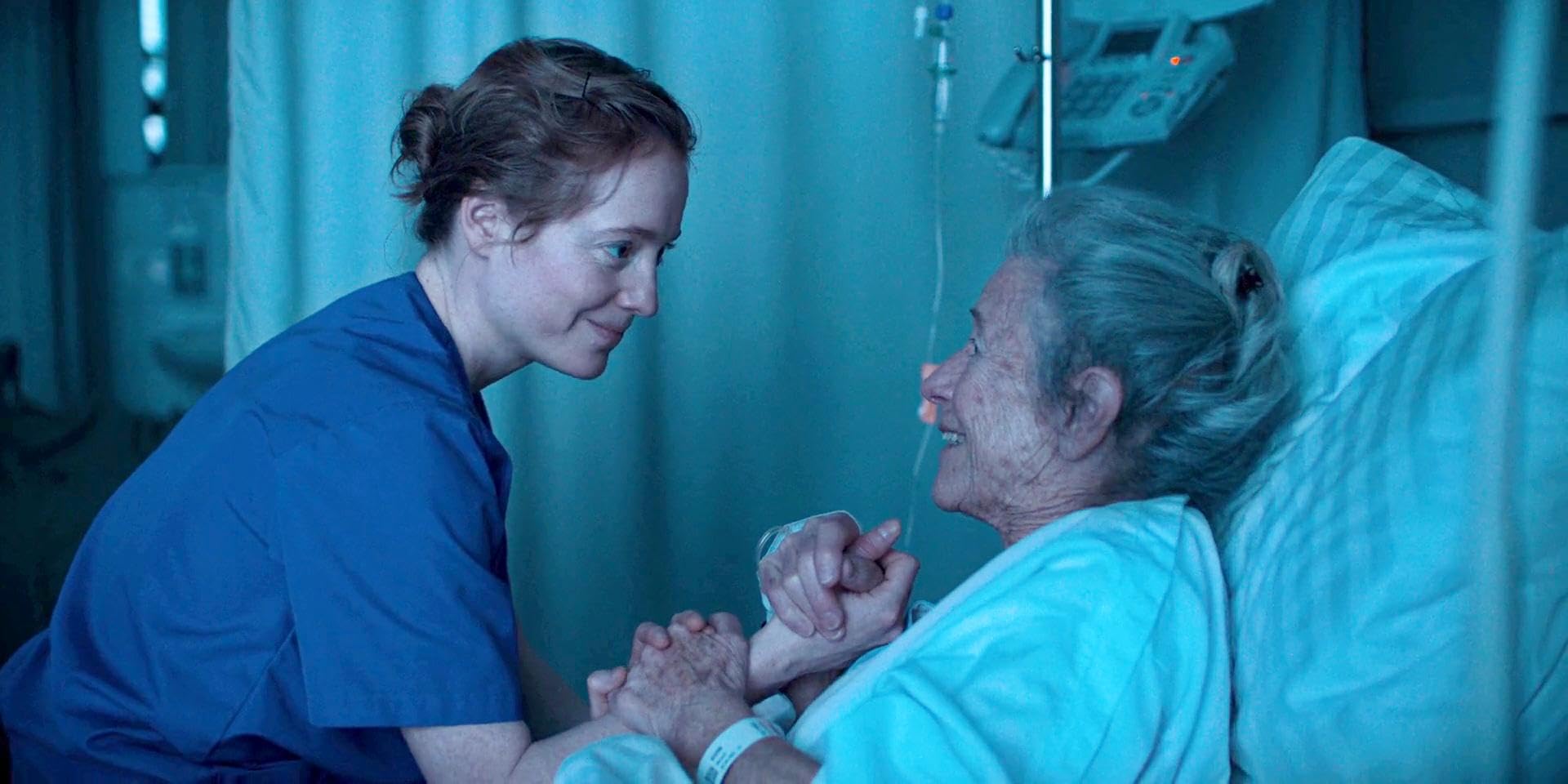
You’ll hear what patients most often say near the end of life and why those moments matter to the people who stay with them. An ICU nurse who has spent years at bedsides shares common last phrases, how those words shape final care, and what they reveal about comfort and connection. Knowing these typical expressions can help you respond calmly and supportively when someone nears the end of life.
They’ll also describe the emotional weight those moments carry for staff and families, and how nurses prepare to be present without crossing boundaries. Expect practical insight into common scenarios in critical care and brief reflections on the human side of dying.
ICU Nurses’ Most Common End-of-Life Experiences
ICU nurses repeatedly encounter short, meaningful utterances, spiritual shifts, sudden expressions of regret or gratitude, and culturally specific phrases at the bedside. These patterns shape how nurses assess comfort, support families, and document care.
Frequent Phrases and Final Messages
Nurses hear concise, repeatable phrases from dying patients that guide bedside priorities. Common lines include requests for a person (“Tell my daughter I love her”), practical instructions (“Turn off the machine”), or reassurance-seeking (“Am I going to be okay?”). These statements often arrive during quiet moments when sedation is lightened or after lucid intervals.
ICU staff like Nurse Julie record these words in charts or family updates because they affect care decisions and legal wishes. When patients cannot speak clearly, families report similar messages, and nurses document them as part of the end-of-life narrative.
The Spiritual Shift Patients Describe
Many terminally ill patients in the intensive care unit report a change in perspective that staff label a spiritual shift. Patients may describe seeing loved ones, feeling a presence, or reporting peaceful images; nurses note a calmer breathing pattern and less agitation during these episodes.
Spiritual comments can come from patients with long-standing beliefs or from those without prior religious identifiers. Nurses facilitate access to chaplains, clergy, or culturally appropriate spiritual care when patients mention visions or comforted feelings, and they record these observations to guide family conversations.
Expressions of Regret and Gratitude
Dying patients often voice concise regrets or gratitude that influence final conversations. Nurses hear admissions like “I should have called more” or short thank-you messages to family and care staff. These statements prompt nurses to encourage family presence and, when possible, facilitate brief reconciliation or goodbyes.
Nurses supporting end-of-life patients prioritize privacy and quiet to allow these exchanges. When patients mention specific regrets, staff may alert social work or pastoral care to offer structured support to families and to help mitigate emotional burdens on relatives.
Cultural and Language Phenomena at the End
Cultural and linguistic factors shape what patients say as death approaches. In multilingual ICUs, phrases may mix native language, prayer fragments, or culturally specific metaphors that nurses interpret for families. ICU nurses often rely on interpreters or bilingual staff to clarify meaning.
Some cultures favor indirect expressions of dying; patients may use euphemisms rather than explicit statements. Nurse documentation notes both literal quotes and contextual explanation so that families and clinicians understand the patient’s last communications.
Emotional Impact on ICU Nurses and Families
ICU work puts staff and families under intense emotional strain. Nurses often carry grief, helplessness, and the weight of repeated close encounters with dying patients while families face shock, fear, and role changes.
Coping With Sadness and Helplessness
Nurses report acute sadness after rapid patient declines and deaths, especially when they’ve formed a bond during prolonged care. They may replay interactions, worry about missed chances to comfort relatives, and feel responsible even when outcomes are outside their control.
Peer debriefs, short team huddles after a death, and protected time to process emotions reduce immediate distress. Formal supports—employee assistance programs or counseling—help when symptoms persist.
Practical steps also matter: leaders rotating assignments to avoid repeated end-of-life exposure, ensuring adequate staffing so nurses can sit with families, and training on boundary-setting to prevent burnout. These measures address both the emotional and operational contributors to helplessness.
Providing Emotional Support in the ICU
Nurses provide emotional support through honest, clear communication, presence at the bedside, and simple gestures like holding a hand or explaining monitors. Families rely on nurses to interpret clinical status and to translate prognosis in plain language.
Specific actions include offering written materials for children, preparing families for what they will see, and inviting them to share stories about the patient. These steps reduce anxiety and help families feel seen.
Documentation of family needs and designated family liaisons improve continuity. When nurses time updates around family availability and use empathic statements, trust increases and conflict decreases.
The Role of Palliative Care in Intensive Care
Palliative care teams focus on symptom control, goals-of-care conversations, and family support, complementing ICU teams when patients near end of life. Early palliative consultation shortens unnecessary interventions and clarifies patient values.
Palliative clinicians coach ICU nurses on managing distressing symptoms—pain, dyspnea, agitation—and on language for difficult conversations. They also provide structured family meetings that reduce repeated, conflicting messages.
Integrating palliative care into routine ICU workflows—automatic triggers for consultation (e.g., prolonged ventilation, multisystem failure)—ensures timely involvement. This collaborative model eases nurse burden and improves family experience during dying patients’ final days.
More from Vinyl and Velvet:

Leave a Reply