

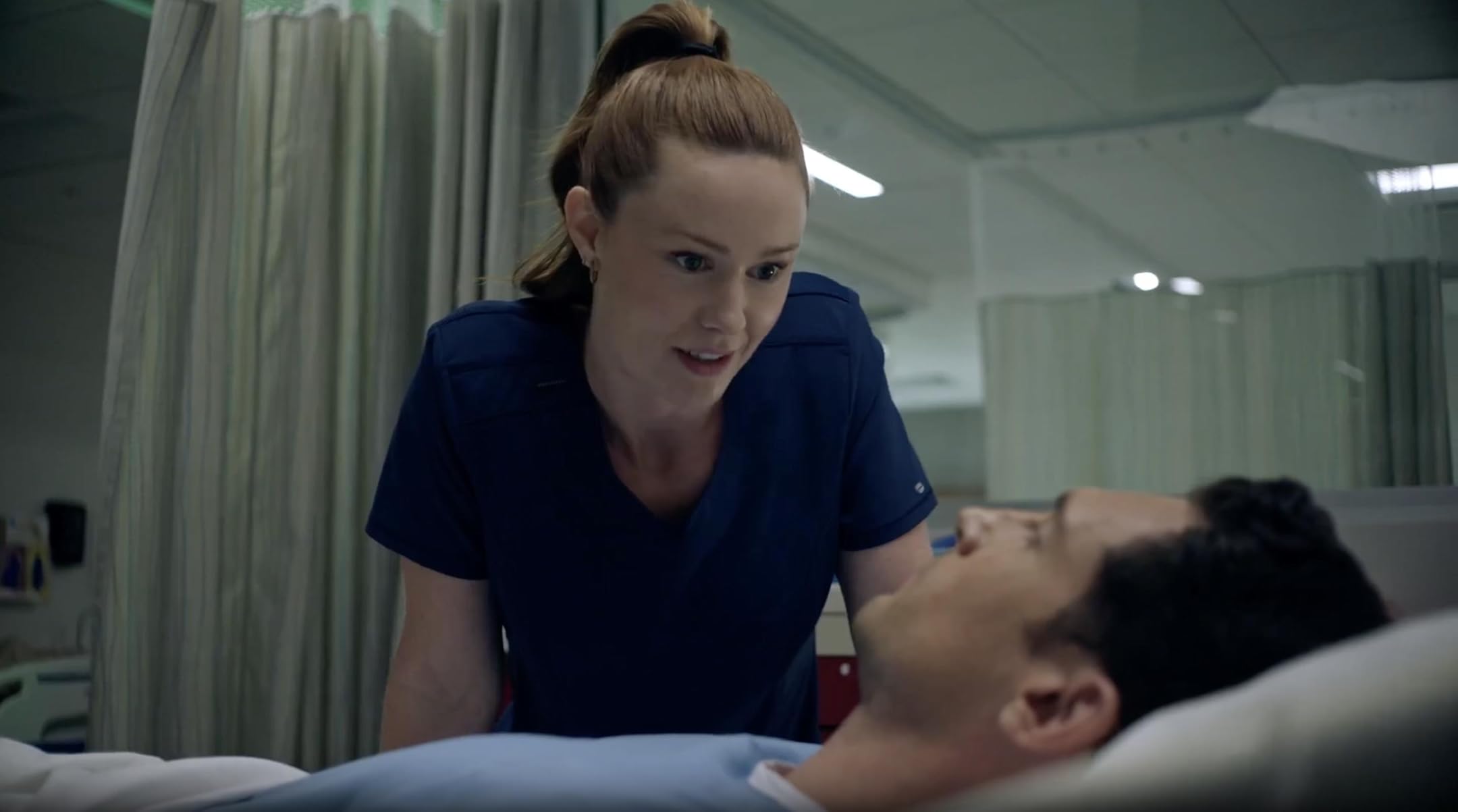
You watch the monitors and listen to explanations from doctors, but an ICU nurse who spends hours at the bedside often notices something different — a subtle shift in a patient’s behavior or words that signals the end may be near. When a seasoned ICU nurse says a patient has made that final realization, families should take it seriously because it often precedes death even when vitals seem stable.
She explains how experienced clinicians combine clinical signs with small, human cues to recognize end-of-life moments. This piece will show what those cues can look like and which early warning signs families should never ignore so you can act with clarity when it matters most.
How ICU Nurses Recognize When Patients Are Near Death
ICU nurses rely on direct observations, clear signs, and repeated patterns in behavior and physiology. They watch speech, breathing, circulation, and subtle shifts in awareness to guide communication with families and teams.
Common Phrases and Last Requests in the ICU
ICU nurses often hear short, clear statements from patients that repeat across cases. Nurses report phrases like “I’m tired,” “It’s time,” or naming a deceased relative; these can be accompanied by requests to see family, hold a hand, or have music played. Such expressions usually come after a period of confusion or withdrawal and appear suddenly, not as prolonged conversations.
Staff like Kirstie, an ICU nurse featured in viral accounts, note that these utterances sometimes arise when sedation is lightened or oxygen needs change. Nurses document timing and content because consistent short phrases can help validate a family’s sense that death is near and prompt clinicians to shift to comfort-focused care.
Physical and Behavioral Changes Observed
Nurses track measurable signs: dropping blood pressure, irregular respirations (Cheyne-Stokes or agonal breathing), mottled skin, cool extremities, and decreasing urine output. They also note behavioral shifts such as reduced responsiveness, prolonged sleep, and altered eye contact. These changes typically unfold over hours to days.
Clinically, nurses correlate these signs with lab trends, vasoactive medication requirements, and ventilator dependence. They communicate observed patterns to physicians and hospice or palliative teams to align goals of care and ensure symptom control, such as adjusting opioids for dyspnea or stopping non-beneficial interventions.
Understanding the Spiritual Shift
Many ICU nurses recognize a nonmedical dimension when patients near death: a sudden clarity, peace, or focus on loved ones and meaning. Nurses describe this as a “spiritual shift” where patients stop struggling and offer brief, purposeful words or gestures. This can be independent of religious belief and may include calling names, reciting a prayer, or saying “I’m going home.”
Hospice nurses and palliative clinicians often encounter similar reports and advise families to honor these moments. ICU staff document such expressions and facilitate rituals—playing specific music or bringing in a family object—because these acts support dignity and can ease the emotional burden for relatives.
Comparisons With Hospice and Palliative Care Experiences
ICU environments differ from hospice settings in intensity and available interventions, but end-of-life patterns overlap. ICU nurses see abrupt changes tied to critical illness and acute organ failure, while hospice nurses more often manage gradual decline from chronic conditions. Both note last words, decreased intake, and altered breathing as common markers.
Palliative care teams bring expertise in symptom relief and communication; ICU nurses collaborate with them to shift focus to comfort. When families recognize early signs and involve hospice or palliative consults, teams can withdraw non-beneficial treatments, control pain and agitation, and arrange for preferred spiritual or cultural practices to occur.
Early Warning Signs Families Should Never Ignore
These signs often appear hours to days before death: subtle changes in gaze and awareness, shifts in speech or responsiveness, and clear physical changes in breathing, skin color, and movement. Recognizing them lets families ask for comfort measures, medical reassessment, or hospice support.
The ‘Death Stare’ and Visioning Phenomena
Many bedside clinicians, including end-of-life nurses and hospice nurses like Julie McFadden, describe a fixed, faraway gaze that families call the “death stare.”
It appears when a patient’s eyes lose focus, pupils may be less reactive, and facial muscles relax into stillness. This gaze can coincide with decreased blinking and a single-pointed attention that isn’t directed at anything in the room.
Visioning — patients reporting sights of people, places, or light — can occur with the same timeline. Families often recount brief, calm statements about seeing loved ones or religious images. These experiences tend to be peaceful, short-lived, and not linked to delirium when the patient otherwise seems calm.
If the death stare appears suddenly alongside confusion, agitation, or severe pain, staff should evaluate for delirium, medication effects, or reversible causes. Otherwise, teams trained in spiritual care and palliative medicine can help families interpret these moments and provide emotional and practical support.
Changes in Communication and Alertness
A patient’s speech may shift from coherent sentences to single words, moans, or long pauses between utterances. Families notice shorter responses and difficulty following conversation threads. This change often signals reduced cerebral perfusion or progression of systemic illness.
Alertness commonly cycles: wakeful periods shorten and sleep stretches increase. When patients no longer respond to familiar voices or touch, they are often entering the final phase of life. Nurses experienced in end-of-life care watch for these predictable patterns and document gradual declines in responsiveness.
Healthcare teams should assess for reversible contributors like low blood sugar, medication toxicity, or untreated infection. If none are present, clinicians focus on communication strategies: speaking clearly, offering simple choices, and using touch. Spiritual care practitioners can support family meaning-making when patients speak of visions or express final wishes.
Physical Signs: Breathing, Skin, and Movement
Breathing patterns change noticeably: Cheyne-Stokes cycles, long pauses, or noisy, wet respirations called the “death rattle” may appear. These signs reflect decreased airway clearance and weakening respiratory drive. Positioning, suctioning when appropriate, and anticholinergic medications can reduce distress and secretions.
Skin changes include mottling on hands and feet, cool extremities, and pale or dusky tones as circulation redistributes away from the periphery. Capillary refill slows and limbs feel cool to the touch. These are measurable indicators families can observe and report.
Movement decreases; purposeful movement fades and occasional involuntary jerks or terminal restlessness may occur. If agitation arises, clinicians evaluate for pain, urinary retention, or drug effects and may offer low-dose anxiolytics or opioids for comfort. Families benefit from clear explanations that these physical signs are part of the dying process and guidance on comfort-focused interventions.
Why Early Intervention Matters
Early recognition allows the team—nurses, physicians, and hospice or palliative specialists—to tailor care to comfort goals. A timely reassessment can reverse treatable causes like hypoglycemia or medication side effects, and it can prevent unnecessary interventions that increase suffering.
When decline appears irreversible, early involvement of hospice or palliative care secures symptom control, spiritual support, and guidance for family decisions. Nurses skilled in end-of-life care and spiritual care providers help coordinate medication plans, positioning, and communication strategies that prioritize dignity and comfort.
Families who report changes promptly help clinicians respond faster. That collaboration often reduces distressing symptoms, clarifies patient wishes, and creates space for meaningful final interactions.
More from Vinyl and Velvet:

Leave a Reply