

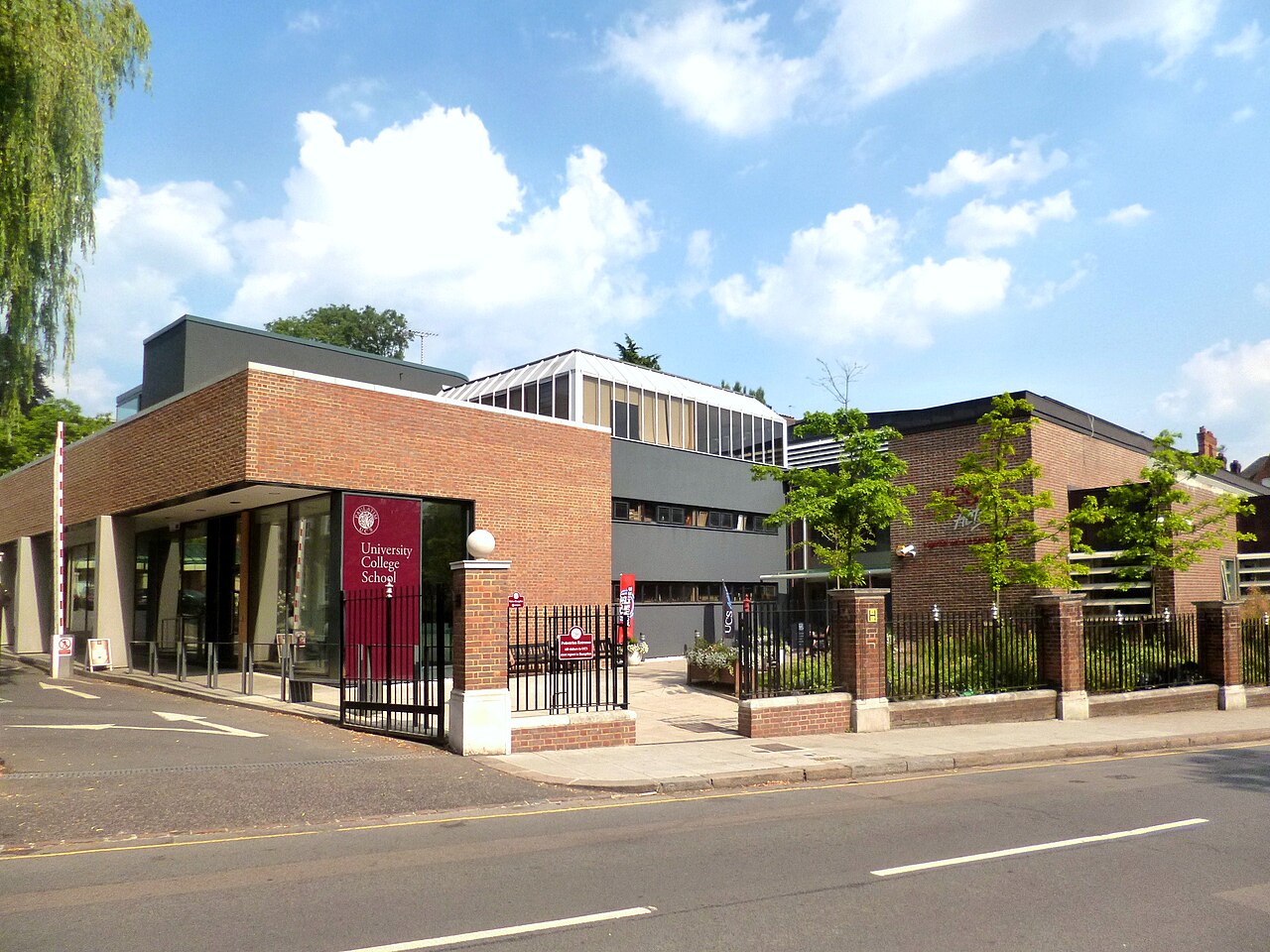
The latest iconic institution to bow out of American higher education is Lourdes University in Ohio, which has now confirmed a firm end date after years of financial strain. The closure is another jolt in a sector already rattled by shrinking enrollments, rising costs, and an unforgiving balance sheet culture that small private campuses struggle to survive. For students, staff, and alumni, the news feels less like an abstract policy story and more like a personal loss that happens to come with a registrar’s deadline.
The decision by Lourdes University to wind down operations at the end of the 2025-26 academic year follows a familiar pattern that has played out on campuses across the country, from arts colleges in big cities to faith-based schools in small suburbs. It is not just about one campus in Ohio, but about what happens when demographic math, financial modeling, and mission-driven education stop lining up.
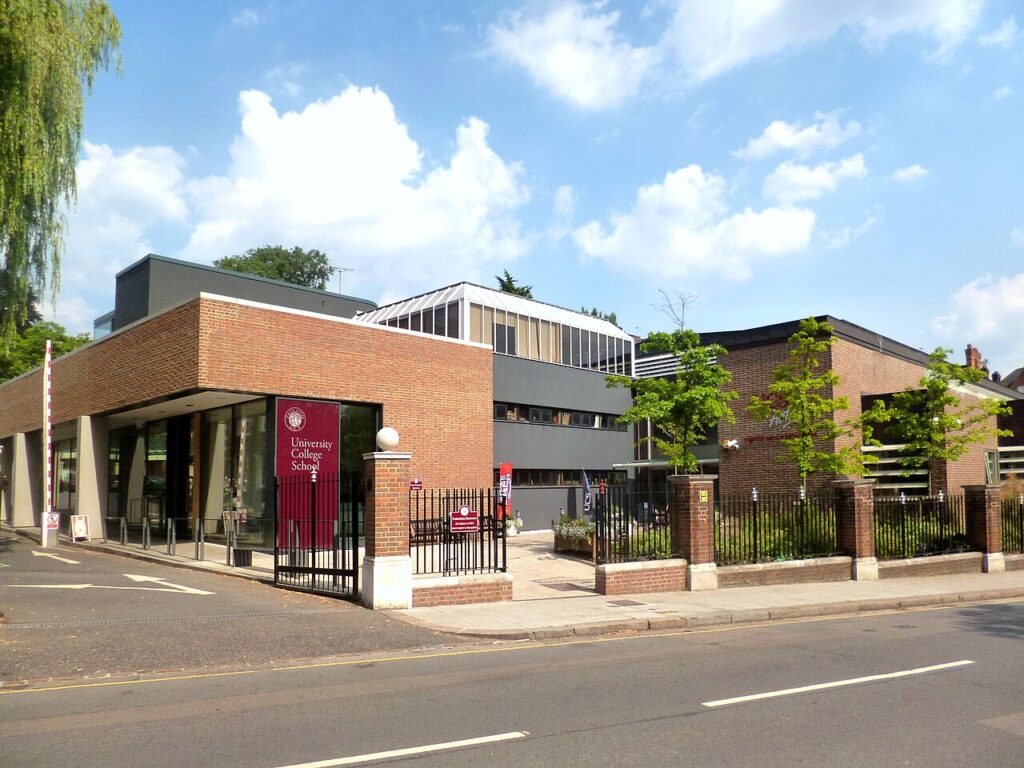
The Lourdes University shutdown and what pushed it over the edge
Lourdes University in Ohio has told students and families that it is sharing “difficult news” about a permanent closure, confirming that the campus will shut its doors after the current teach-out period. In a letter that framed the decision as a last resort, the institution tied the move to mounting financial pressures that had become impossible to manage, echoing years of quiet worry in the region about whether a small private campus could keep absorbing losses. The announcement stressed that Lourdes University in Ohio, founded in 1958, had tried to honor its mission even as the numbers turned against it, and that the closure date was set to give students a path to finish or transfer rather than face a sudden lockout.
Those pressures are not vague. Lourdes University has described “mounting financial pressures driven by declining enrollment and increasing costs,” a combination that has pushed many tuition-dependent campuses to the brink. The board of trustees has now committed to closing at the end of the 2025-26 academic year, giving current students one more full cycle to complete degrees or move to partner institutions that can take them in. On the ground in Sylvania, where Madonna Hall has long served as a visual landmark for the campus, the decision lands as both a financial and emotional shock, with staff and faculty now trying to help students navigate transcripts, transfer agreements, and housing while also processing their own looming job losses.
A growing list of closures, from arts schools to liberal arts campuses
Lourdes University is not alone, and that is part of what makes its closure feel so heavy. Earlier in this wave, The University of the Arts in Philadelphia stunned students and faculty when its president confirmed that the campus would close on June 7 after losing accreditation from The Middle States Commission on Higher Education. That decision came quickly, with the accreditor announcing it would withdraw recognition and the administration acknowledging that the financial situation was no longer sustainable for The University of the Arts, even with its deep roots in the city’s creative community. The loss of accreditation from The Middle States Commission on Higher Education did not just bruise prestige; it effectively cut off access to federal aid and signaled that the institution’s finances and governance no longer met required standards.
Financial strain has been especially brutal for arts-focused campuses. The University of the Arts, a 148-year-old Philadelphia college, disclosed that an unexpected cash shortfall and rising expenses forced leaders to abandon plans to keep operating, even after years of belt-tightening and program changes. That kind of sudden liquidity crisis is not unique. In California, California College of the Arts, described as a 119-year-old private art institution in San Fr, has also been pulled into the broader conversation about how specialized schools survive when their cost structures look more like small museums than mass-enrollment universities. These examples have turned what once felt like isolated collapses into a recognizable pattern that students and parents now factor into their college choices.
How Lourdes fits into the national trend of disappearing campuses
Step back from any single campus, and the pattern becomes stark. A national tally of Closed and Merged Nonprofit Colleges and Universities from 2020 through 2027 tracks each School Name, State, and Year, showing that Ohio has already watched multiple institutions fade out or merge into larger systems. Lourdes University now joins that list, another entry in a table that has grown faster than many higher education leaders once believed possible. The same data set that flags Ohio also highlights closures in other states, turning what might seem like local heartbreak into a national dataset of contraction.
Other institutions have followed similar arcs, even when their missions and student bodies looked very different from Lourdes. Birmingham-Southern College, for example, announced that it would cease Operations and that campus life would effectively Cease when Southern College leaders confirmed that the school would shut down on May 31, 2024, after failing to secure enough public support to stay open. The announcement, framed as Birmingham, Southern College Announces Closure, made clear that even long-established liberal arts campuses are not insulated from the same financial headwinds now buffeting Lourdes. Analysts who track these stories point to a mix of demographic change, with fewer traditional-age students graduating from high school, and years of rising costs that outpaced what families were willing or able to pay.
More from Vinyl and Velvet:

Leave a Reply