


Watching a child stand alone at recess after a move can feel like a physical ache for a parent, a quiet daily reminder that the transition has unsettled more than just addresses and routines. The sight captures a larger story about how children rebuild their social worlds from scratch and how adults can support that process without trying to control every outcome. When a daughter lingers at the edge of the playground, the real work for families happens at home, in conversations, invitations, and small acts of courage that slowly turn isolation into connection.
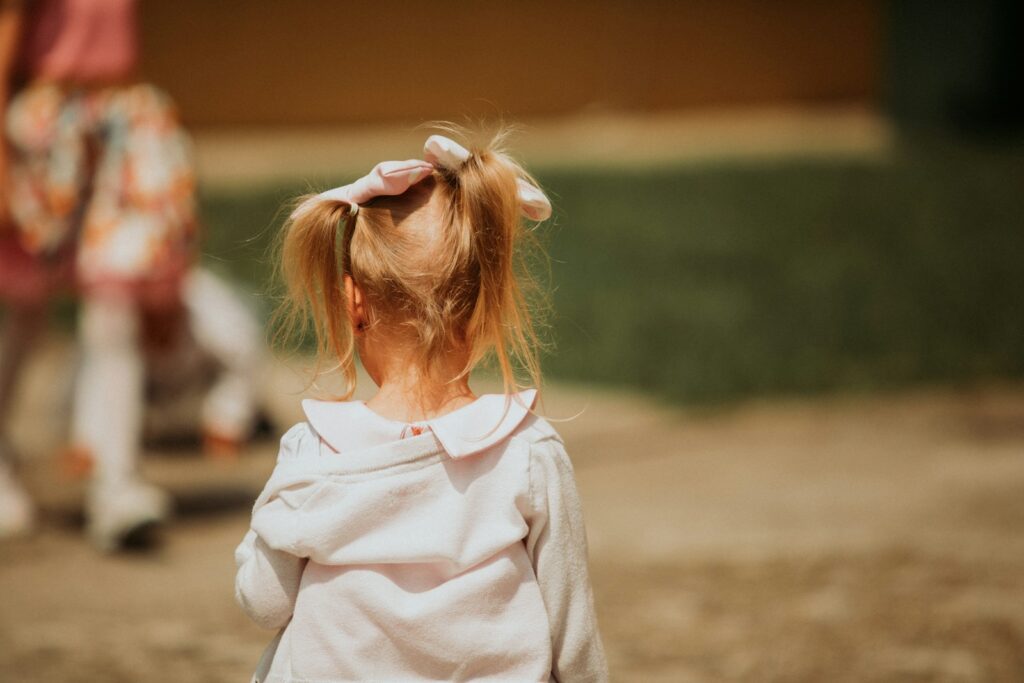
When a New School Means Starting From Zero
For many children, a move means losing the comfort of familiar faces and unspoken playground rules, then stepping into a social scene where every group already seems formed. Parents often see the impact first at recess, where unstructured time exposes who has a circle and who does not. The heartbreak is real, but experts emphasize that while parents might not be able to immediately fix the exclusion, they can still play a vital role in helping kids move through this stage with empathy and practical support, rather than rushing to erase every uncomfortable feeling through instant solutions, as guidance from While explains.
That support often starts with naming what is happening without judgment. Instead of dismissing the hurt or insisting that “everyone feels lonely sometimes,” parents can validate the sting of watching other kids run off in groups while their own child waits on the sidelines. Resources connected to Left Out, How, Help Your Kid Through Heartbreak When They Weren, Invited, including communities on Discovered and curated ideas on Left Out, encourage adults to see these moments not as signs of failure, but as invitations to teach resilience, self-advocacy, and compassion.
The Emotional Labor Parents Carry
Parents often carry their own invisible load while trying to keep a family steady through a move, and the emotional strain of watching a child struggle can compound that burden. Popular culture has begun to reflect this reality, with stories that center a parent who quietly holds everything together until the pressure finally shows. In one family drama review, the character Stella is described as the person who does everything for everyone, is ignored by her children and husband unless they need something, and then must keep going through a slow burn of family conflict for the first 45 m before things begin to shift, as detailed in a critique of the film 45 m.
That description mirrors what many caregivers experience when they are the ones arranging school registrations, handling logistics, and absorbing their child’s sadness about being left out. The mother in that review, Stella, is portrayed as someone who “soldiers on” without complaint, a dynamic that feels familiar to any parent who keeps showing up at school drop-off even when their heart sinks at the sight of a lonely recess. Recognizing that emotional labor, and not minimizing it, can help caregivers seek their own support systems rather than silently burning out while they advocate for their child.
Turning Recess From Isolation Into Opportunity
Recess can either magnify a child’s sense of exclusion or become a structured opportunity for connection, depending on how adults engage with that time. Educators who intentionally step into unstructured spaces can change the dynamic for students who are lingering alone at the fence. One teaching resource encourages staff to literally go play with them, your students, at recess and to treat those informal moments as just as important as academic instruction, a perspective shared in a conversation about making more room for joy at school that frames recess as part of the learning day rather than a break from it, as explained in your students.
Parents can partner with teachers by sharing what they are seeing and asking whether there are existing recess games, buddy systems, or small group activities that could gently include a child who is new. Some schools already train staff to notice who is frequently alone and to invite those students into simple games like four square or jump rope, where the rules are clear and participation feels low risk. When educators view recess as a space for social skill building, not just physical activity, they are more likely to step in early and prevent isolation from becoming a long-term pattern.
The Quiet Power Of A Simple Playdate
Outside school hours, one of the most practical tools for helping a child break through social walls is the humble playdate. The politics around these invitations can feel surprisingly complex, especially for families who are new to a community and unsure of the norms. Guidance on social dynamics around children’s get-togethers suggests that if parents want to test the waters, they can suggest a short meet-up after school at a local park or neutral spot, rather than immediately inviting a new classmate into their home, a strategy highlighted in advice on Your.
Those small, low-pressure gatherings can help a child who stands alone at recess see classmates in a different context and start to build one-on-one bonds that later translate to school. Parents can also use social tools connected to that same guidance, such as share functions on platforms where Discovered, The Politics of the Playdate can be circulated via Discovered, Politics of the, or saved through visual bookmarks on Discovered, to coordinate with other caregivers who are also trying to help their children connect.
Helping Kids Adjust At Their Own Pace
Adjustment after a move rarely happens overnight, and pressuring a child to “just jump in” socially can backfire. Mental health professionals who work with families in transition, including those welcoming back a parent after deployment, stress that everyone in the household needs time to recalibrate. One counseling resource advises caregivers to Take it slowly as you, and they, readjust to your presence, and to remember that this period of transition will last several weeks rather than days, guidance that applies just as well to a child learning to navigate new classmates and routines, as described in advice on Take.
That slower pace can be hard for parents who watch their daughter stand apart during recess and feel an urgent impulse to intervene. Yet giving children space to process their feelings, while still offering concrete tools like rehearsing how to ask to join a game or planning a specific invitation for a peer, respects both their autonomy and their emotional limits. Educators who are working on their own professional growth, such as those engaging with resources like Discovered, Dear Stellar Teacher, Making Space for More Joy This Year through a Discovered series, often emphasize that patience and small consistent steps can be more effective than grand gestures that overwhelm a child.
For parents, the image of a child standing alone at recess after a move can linger far longer than the actual season of loneliness. Yet the combined effect of empathetic listening, intentional school partnerships, low-key playdates, and a commitment to slow, steady adjustment gives children a sturdy framework for building new friendships. The heartbreak may be real, but so is the possibility that, with time and support, that same child will one day scan the playground and see not a crowd of strangers, but a circle of familiar faces waiting to play.
More from Vinyl and Velvet:

Leave a Reply