

You can drink wine and still limit added sugars, but sugar levels vary widely between bottles — from effectively zero in bone-dry styles to many grams per glass in off-dry and sweeter wines. Knowing which styles and label clues signal low sugar helps someone choose wines that fit weight, blood‑sugar, or dental‑health goals without giving up flavor.
They’ll learn how residual sugar works, why low‑ABV choices can sometimes hide more sugar, and which label terms point toward drier versus sweeter wines. Quick, practical tips will help pick lower‑sugar bottles at the store or restaurant so choices match health priorities and taste preferences.
The Real Sugar Story in Wine: What You Need to Know
Wine’s sugar comes mainly from grapes and how fully yeast converts that sugar during fermentation. Residual sugar, winemaking choices and label terms determine whether a bottle is bone-dry or dessert-sweet, and those differences affect calories and blood-sugar response.
Residual Sugar and Fermentation Explained
Residual sugar (RS) is the unfermented grape sugar left in a finished wine, measured in grams per liter (g/L). Yeast consumes grape sugar during fermentation and converts much of it to alcohol; when fermentation stops early or yeast can’t finish, RS remains. Winemakers may also add sugar before or after fermentation to adjust body or sweetness — a practice called chaptalization or back-sweetening depending on timing and purpose.
Laboratory tests report RS precisely, but most bottles don’t list it. Tastes and acidity can mask RS; a wine with 6–12 g/L may taste dry if acid is high. For technical readers, complete dryness often falls below 1–4 g/L; “bone-dry” wines tend toward the lower end of that range.
Wine Types by Sugar Content: Dry, Off-Dry, and Sweet
Label terms give clues but aren’t standardized globally. “Dry” generally means low RS (often <5 g/L), though some dry wines register up to ~9 g/L if acidity balances sweetness. Off-dry wines commonly sit between about 5–18 g/L and present perceptible but restrained sweetness. Sweet and dessert wines range widely — from ~20 g/L (lightly sweet) to several hundred g/L in fortified or late-harvest styles.
Sparkling wines use specific categories: brut nature or brut zero (~0–3 g/L), brut (~0–12 g/L), extra dry (ironically sweeter, often ~12–17 g/L). Labels like “doux” or “vendange tardive” imply high sugar. Consumers seeking low-sugar options should look for “brut,” “extra brut,” “dry,” or explicit g/L numbers where available.
Typical Sugar Levels in Popular Varieties
Typical RS varies by style more than grape variety, but examples help set expectations:
- Bone-dry table wines (most dry Pinot Noir, Cabernet Sauvignon): ~0–3 g/L.
- Common dry whites (Sauvignon Blanc, Chardonnay): ~1–6 g/L.
- Off-dry Riesling and some rosés: ~5–20 g/L.
- Sweet wines (Port, Sauternes, Tokaji): 50–400+ g/L depending on concentration and fortification.
- Sparkling: brut ~0–12 g/L; extra dry ~12–17 g/L; doux >50 g/L.
Alcohol content and RS interact: higher sugar at harvest can lead to higher potential alcohol, but winemakers may stop fermentation early to preserve sweetness, giving moderate alcohol with higher RS. For specific bottle guidance, consult producers’ tech sheets or tasting notes that sometimes list grams per liter.
Why Sugar Content in Wine Matters for Health
Sugar affects calories: 1 g of sugar adds ~4 kcal, so a 150 ml glass with 5 g/L RS contributes about 0.75 kcal from residual sugar — small relative to alcohol calories but not negligible across multiple glasses. Sweet wines can add substantial sugar and calories; a dessert-style pour may contribute tens of grams of sugar per glass.
Sugar also influences blood glucose and may matter for people managing diabetes or carb-restricted diets. Alcohol alters glucose metabolism, so combining alcohol and RS can have unpredictable effects on blood sugar. Those seeking lower-sugar options should choose bone-dry or brut labels and consult nutrition information when available to compare grams per liter and total carbohydrate per serving.
Decoding Labels and Choosing Healthier, Lower-Sugar Wines
This section explains what labels actually say, which grape varieties and wine styles tend to finish lowest in residual sugar, how sparkling wine sweetness categories differ, and practical steps to pick lower-sugar bottles that fit specific wellness goals.
How to Read Labels (And What They Don’t Tell You)
Wine labels rarely state residual sugar (RS) in grams per litre. Instead, they list varietal, region (for example Napa), vintage, alcohol by volume (ABV), and sometimes tasting notes. ABV gives a clue: higher ABV often means yeast fermented more sugar into alcohol, so less RS remaining.
Terms like “dry,” “off-dry,” or “sweet” appear in tasting notes but lack legal definitions in many countries. Labels also won’t reveal chaptalization — the practice of adding sugar before fermentation to raise alcohol — because some regions allow it without explicit labeling.
Look for specific clues: single-varietal bottlings of cabernet sauvignon, pinot noir, sauvignon blanc, chardonnay, or albariño are often made dry. If a label names “late harvest,” “passito,” “amontillado,” or “Pedro Ximénez,” expect high sugar. When in doubt, check producer websites or retailer descriptions for grams-per-litre RS or choose producers who publish lab numbers.
Grape Varieties and Styles Lower in Sugar
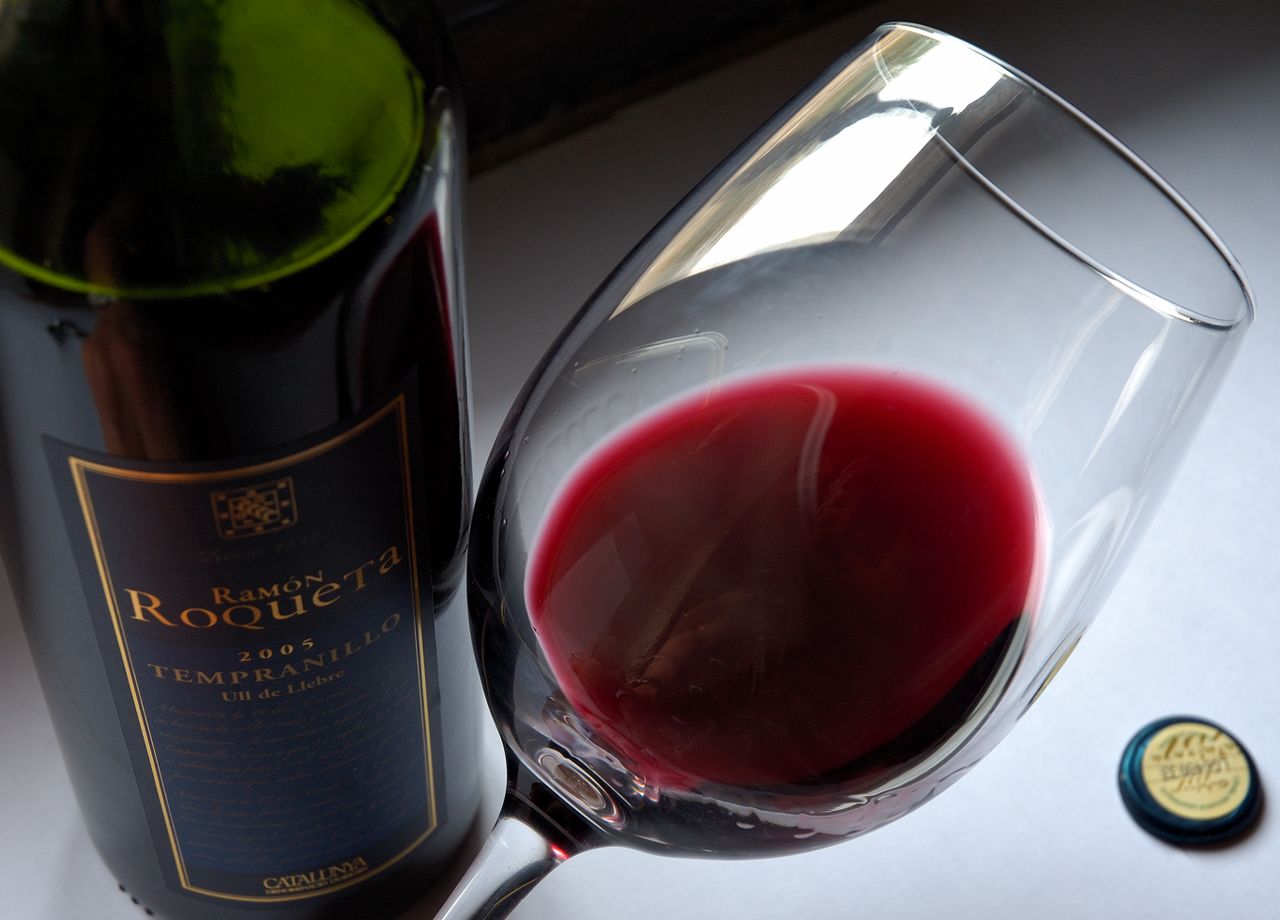
Some grapes ferment to very low residual sugar naturally. Reds such as cabernet sauvignon, pinot noir, merlot, tempranillo, syrah/shiraz, and malbec typically finish dry when vinified in a dry style. These are good picks for lower sugar intake.
Among whites, sauvignon blanc, chardonnay, pinot gris/pinot grigio, and albariño usually yield low RS in their dry expressions. Riesling is trickier: it can be bone-dry or very sweet depending on style, so verify “trocken” (dry) on German Riesling labels.
Regional style matters: a Napa chardonnay or a Sancerre sauvignon blanc from Loire tends toward dry finishes, while Riesling from Mosel might be sweeter. Also avoid terms like “late harvest,” “ice wine,” or “straw wine” when seeking low sugar.
Champagne, Prosecco, and Other Sparkling Wine Categories
Sparkling wines use sugar category labels that directly indicate RS levels. Common terms include:
- Brut Nature / Brut Zéro: 0–3 g/L residual sugar — driest.
- Extra Brut: 0–6 g/L — very dry.
- Brut: up to 12 g/L — dry, typical for Champagne.
- Extra Dry / Extra-Dry (counterintuitively sweeter than Brut): ~12–17 g/L — noticeably sweeter.
- Dry / Demi-Sec / Dolce: progressively sweeter.
Prosecco can be labeled “brut,” “extra dry,” or “dry”; avoid Prosecco labeled “extra dry” when aiming for minimal sugar because it can be sweeter than brut. Champagne and non-Champagne crémants labeled brut or extra brut usually deliver the lowest sugar per glass. Look for bottle terms rather than marketing phrases.
Making Smarter Wine Choices for Your Wellness Goals
For calorie- or sugar-conscious drinking, prioritize bottles with published ABV and seek producer RS figures. Choose single-varietal dry wines such as cabernet sauvignon, pinot noir, sauvignon blanc, chardonnay, or albariño to reduce surprises.
When buying sparkling, favor brut nature, extra brut, or brut over “extra dry” Prosecco. If a style has ambiguous sugar (e.g., riesling or some pinot gris), check the tasting note or label keywords like “trocken” or “sec” or consult the retailer.
Finally, avoid wines explicitly made sweet (late-harvest, botrytized, passito) and be mindful that mass-market brands sometimes add sugar to adjust flavor. Choosing smaller producers or labels that list RS or winemaking notes reduces guesswork and helps align choices with specific health goals.
More from Vinyl and Velvet:

Leave a Reply