

You’ll travel back through moments you probably forgot and spot small details that snap you straight into the 2000s. This list challenges you to recall eight specific, oddly familiar moments and gives quick ways to trigger those memories so you actually remember them.
Move through short prompts that nudge sight, sound, scent, and conversation to pull fragments into focus. Use simple techniques—photos, music, a quiet space, or a chat with someone who shared those years—to rebuild scenes you thought were gone.
Try mental time travel by picturing a specific place and moment
Close your eyes and pick one exact spot from the 2000s — your old bedroom, a mall food court, or a school auditorium. Picture the sights, smells, and a single event that happened there.
Focus on small details: the poster on the wall, the ringtone on your phone, the texture of the chair. Let those specifics pull other memories into view so scenes from that decade feel immediate again.
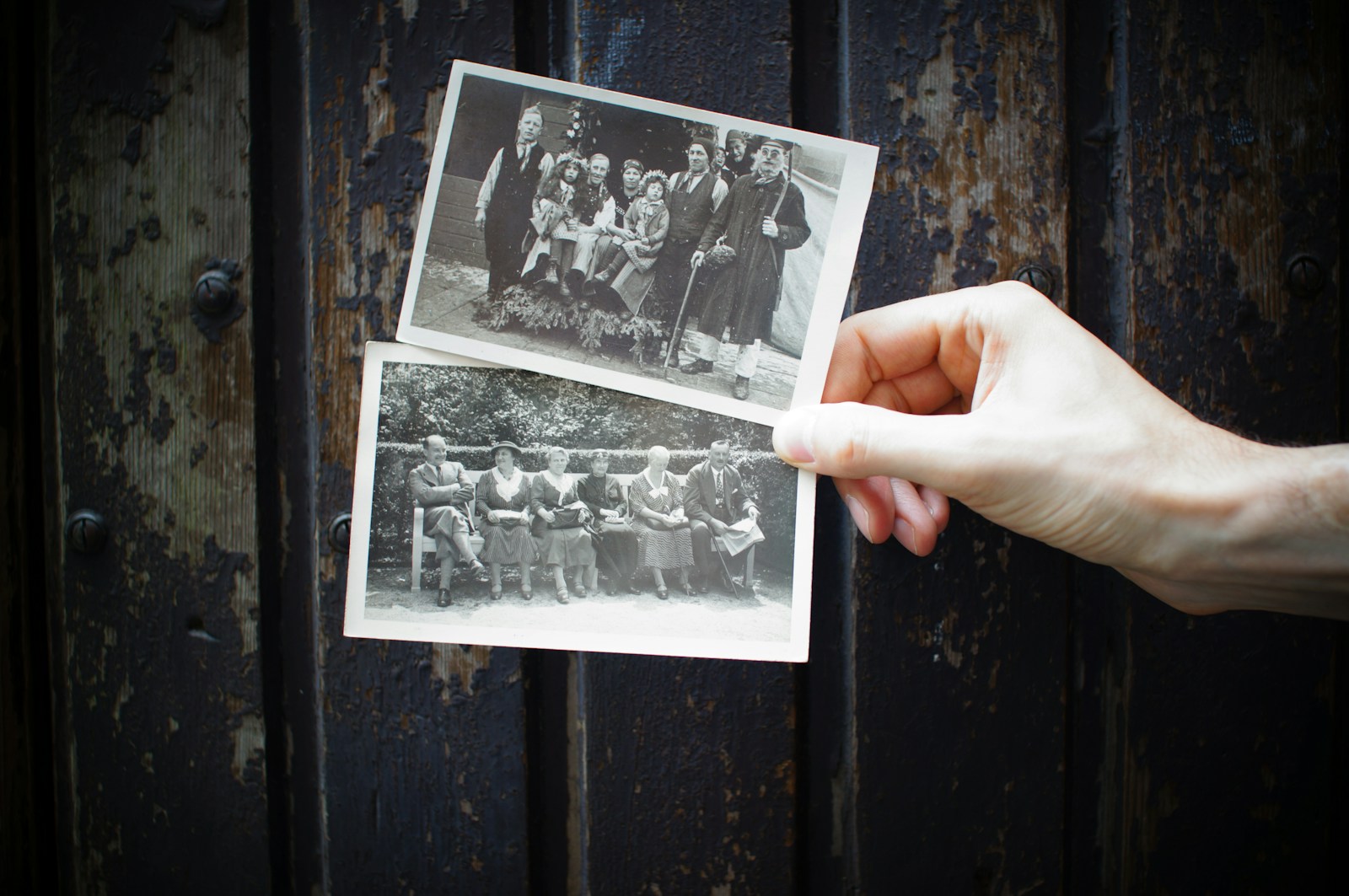
Look through old photos to spark hidden memories

Flip through old photo albums or scroll digital folders and notice faces, outfits, and backgrounds.
A single snapshot can bring back a smell, a song, or the awkward fashion choices you forgot.
Ask family members about people or places in the pictures.
Their quick stories often unlock details your memory missed.
Use scents like perfume or food aromas linked to your past
You can trigger vivid 2000s memories by smelling a perfume or a snack you loved back then.
A whiff of that shampoo, cologne, or cafeteria pizza can bring back faces, songs, and afternoons with surprising clarity.
Try keeping a small sample—vintage body spray or a favorite candy—near your desk for a quick trip down memory lane.
Scent links to emotion, so let a familiar aroma anchor a moment instead of hunting for it in photos.
Listen to music you loved during the time you want to recall
Play songs you actually listened to then; those tracks acted as background to specific events. Music from ages 10–30 often links tightly to autobiographical memories.
Nostalgic tunes can cue emotions and speed retrieval by serving as temporal landmarks. Keep volume comfortable and pick a short playlist to avoid distraction.
Write down any tiny detail you remember and build from there
Grab a pen or open a note app and jot the smallest thing that pops into your head— a song lyric, a fashion fad, a TV catchphrase.
Those tiny cues act like hooks; once you have one, you can pull on it and unravel more memories.
Don’t censor yourself—misspelled band names and fuzzy colors count.
Link each detail to a person, place, or feeling to expand it into a fuller mental snapshot.
Ask family or friends to share stories you might have forgotten
Ask relatives or old friends about moments you vaguely remember; they often fill in small but vivid details.
Invite them to tell a story—ask about parties, trips, or embarrassing mishaps—and listen without interrupting.
Record those conversations or take quick notes so you don’t lose the details later.
Shared memories can spark other forgotten moments, and you might laugh at things you’d completely overlooked.
Create a quiet space with no distractions for focused recall
Find a small, comfortable spot where you can sit without interruptions. Turn off notifications and put devices out of sight so your attention stays on the memories.
Use noise-cancelling headphones or soft background sounds if silence feels too stark. Clear nearby clutter — a tidy space helps your mind retrieve details more easily.
Use meditation to relax and open up your memory pathways
Try short, simple meditations to calm your mind before you try recalling old details. Even five minutes of focused breathing can reduce distraction and make memories easier to access.
Mindfulness trains your attention, which helps you hold and retrieve small facts from moments in the 2000s. You don’t need anything fancy—sit quietly, notice your breath, and let stray thoughts pass without chasing them.
More from Vinyl and Velvet:

Leave a Reply