

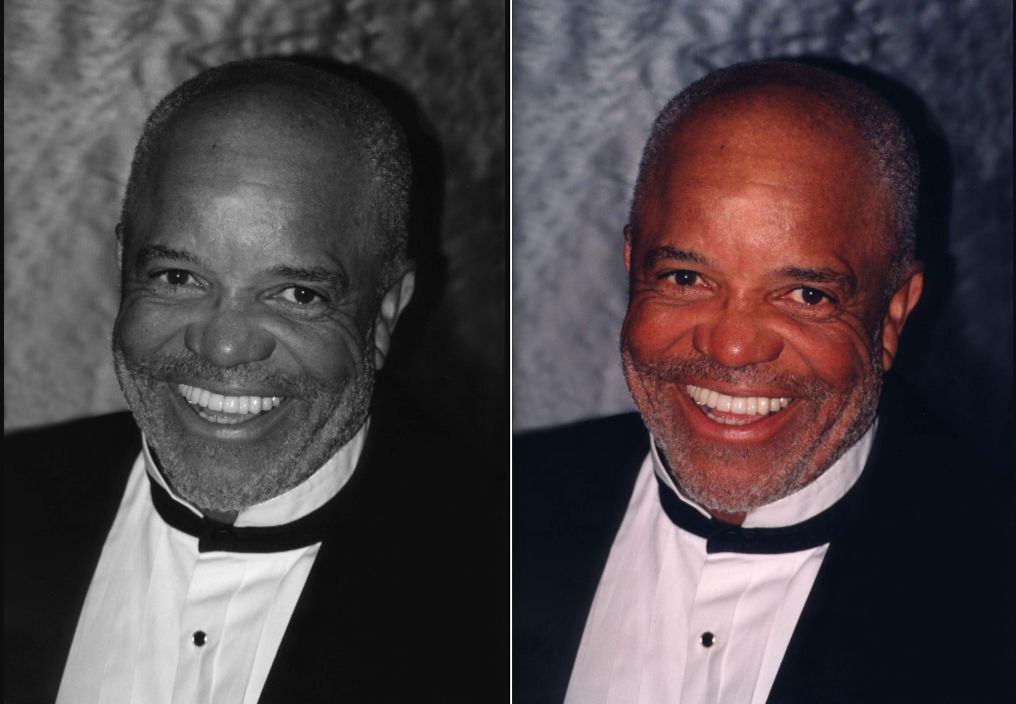
You step into Detroit in 1959 where a small house on West Grand Boulevard became the launchpad for a cultural and commercial revolution. Berry Gordy turned an $800 loan and a sharp business sense into a structured system that crafted hits, polished performers, and sold Black music to mainstream America.
Bold moves and meticulous production turned Motown into a repeat hit factory that reshaped the charts and challenged segregation in the music industry. Gordy built a disciplined artist-development pipeline and a signature sound that produced crossover stars and changed how the country heard Black artists.
Expect a close look at Gordy’s vision, the musical formula behind the Motown sound, the label’s artist-training methods, and the careers that cemented its legacy.
Berry Gordy’s Vision and the Birth of Motown
Berry Gordy built a business model around polished songwriting, tight production, and artist development. He turned an $800 family loan into a record company that emphasized crossover appeal and drilled discipline into performers.
Early Influences and Entrepreneurial Drive
Gordy grew up in Detroit and left school early to pursue varied careers, including boxing and songwriting. He wrote and produced songs for local acts, learning how to pair catchy hooks with concise arrangements.
He opened a record store that doubled as a pulse check on what Detroit audiences wanted. That retail experience taught him merchandising, promotion, and the importance of radio play. Gordy combined those lessons with a relentless work ethic and a belief that Black artists could top national pop charts.
His early success producing Smokey Robinson and managing local talent proved his methods. Those wins convinced him that a vertically integrated company—songwriting, production, A&R, and promotion under one roof—could scale hits consistently.
Founding Motown in Detroit
In 1959 Gordy founded the Motown Record Corporation, launching Tamla Records as his first imprint. He registered Motown as a parent company to house Tamla and later other labels, creating a brand structure that supported multiple acts and styles.
Gordy set up headquarters in Detroit to tap the city’s musical talent and industrial work ethic. He hired in-house writers and producers, establishing routines for rehearsals, choreography, and image-building that mirrored a small factory’s discipline.
He focused on crafting songs that crossed racial lines, aiming for pop radio rotation as much as R&B charts. This strategy paid off when early singles like “Shop Around” found broader audiences, proving that polished production and targeted promotion could break barriers.
The Creation of Hitsville U.S.A.
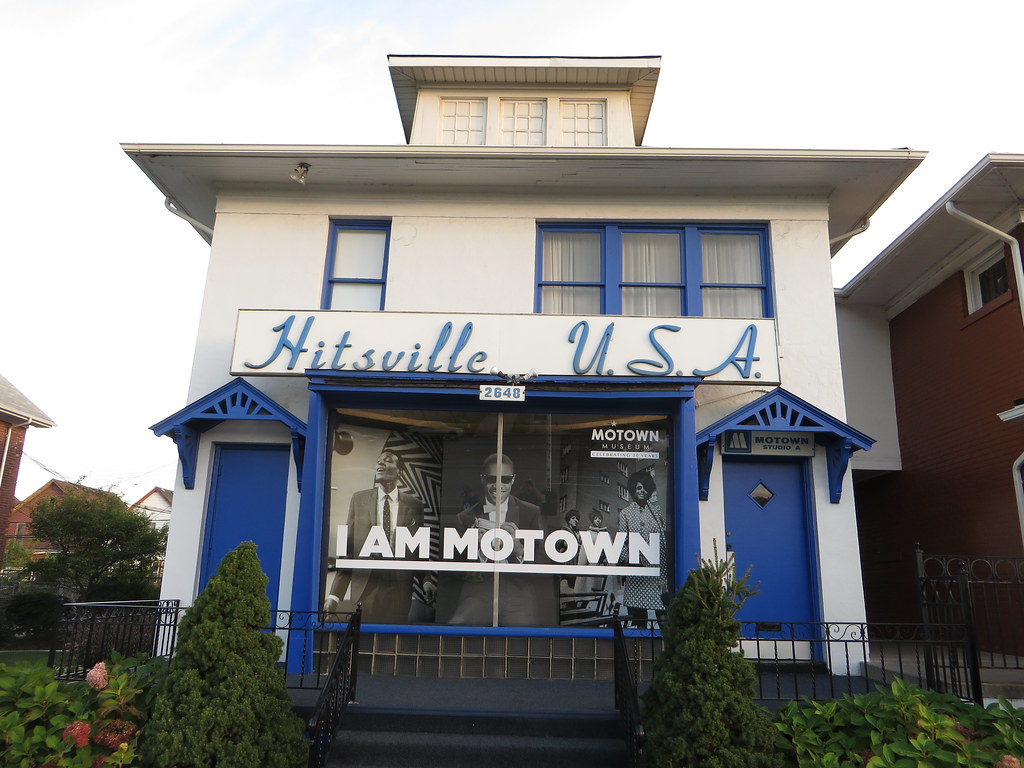
Gordy converted a house at 2648 West Grand Boulevard into Hitsville U.S.A., a compact studio and business office where the Motown sound took shape. That space became the operational center: writers, producers, session musicians, and artists worked in close quarters.
He assembled a reliable team—including songwriters, the Funk Brothers musicians, and producers—so the company could produce numerous records quickly. Tight arrangements, strong backbeats, and smooth vocal harmonies formed the hallmark sound.
Motown’s in-house system enforced quality control: songs underwent multiple rewrites, rehearsals, and vocal coaching before release. Gordy also emphasized presentation—stage moves, wardrobe, and interviews—which helped Motown acts cross into mainstream media and secure chart success for decades.
The Motown Sound: A Hit-Making Formula
Motown developed a repeatable production system that combined tight studio arrangements, professional session players, focused songwriting teams, and rigorous song review. The result produced consistent chart performance and crossover appeal across Black and white radio markets.
The Assembly Line Approach to Music Production
Berry Gordy modeled Motown’s workflow on an assembly line: separate specialists handled songwriting, arrangement, tracking, overdubs, vocals, and final approval. Song ideas often came from in-house writers who turned demos over to producers; arrangers then built horn and string parts while the Funk Brothers prepared the rhythmic foundation. Recording sessions prioritized economy — many hits were cut live in a single session to capture groove and energy.
Motown centralized publishing through Jobete Music, which kept composition, royalties, and distribution under label control. That integration let Gordy schedule teams efficiently and push polished singles quickly to radio and the Motown Revue tours.
The Role of the Funk Brothers and Studio Musicians
The Funk Brothers supplied the consistent pocket that defined the Motown sound. They played bass lines, drum patterns, keyboard fills, and guitar riffs that anchored songs like “My Girl” and “Dancing in the Street.” Their tight interplay created the forward-driving grooves and syncopated accents producers required.
Producers and arrangers relied on specific players for signature parts: a melodic bass hook, a staccato guitar chop, or a punchy horn stab. Session musicians also added spontaneous fills that became memorable motifs. Their anonymity on record contrasted with the outsized influence they had on the final sound.
Signature Songwriting Teams and Chart-Topping Hits
Holland-Dozier-Holland wrote and produced many of Motown’s biggest singles, including hits that shaped the label’s identity. Teams like them and writers in Jobete crafted concise songs with strong hooks, memorable choruses, and emotional but radio-friendly lyrics.
Song structure at Motown favored clear verse-chorus forms, immediate melodic hooks, and short run times for AM radio play. Hits such as “Where Did Our Love Go” used simple, repeatable motifs to lodge in listeners’ heads. Writers tailored narratives to universal themes — love, heartbreak, joy — to maximize crossover appeal.
Quality Control and the Motown Sound
Gordy instituted weekly Quality Control meetings where executives and writers listened to finished masters and voted on singles. Tracks that failed to meet rhythmic drive, hook strength, or vocal clarity were sent back for rewrites, new arrangements, or re-recording.
This review process enforced consistent production values: tight tempos, clear lead vocal placement, and radio-ready mixes. It also created accountability; producers and writers had to meet Gordy’s commercial standards. The meetings kept the catalog focused on hits and helped Motown sustain a long run of chart success as the “Sound of Young America.”
Artist Development and Breaking Racial Barriers
Motown turned raw talent into polished performers who could sell records to Black and White audiences alike. The company taught singing, movement, presentation, and professional behavior so artists could thrive on stage, radio, and television.
The Motown Artist Development Department
Motown created an organized artist development program in 1964 to shape singers into consistent, media-ready acts. Leaders like Maxine Powell ran etiquette, poise, and public-speaking lessons that reinforced grooming, posture, and interview skills. Maurice King contributed musical arrangement coaching and rehearsal discipline that tightened vocal blends and timing.
Training covered daily rehearsal schedules, microphone technique, and phrasing. Artists learned to read simple charts and work with in-house writers and The Funk Brothers. Motown’s system reduced on-stage errors and improved studio efficiency, which helped produce repeatable hit performances.
Choreography, Image, and Crossover Appeal
Motown invested in choreography and image to broaden each act’s commercial reach. Cholly Atkins taught hand gestures, synchronized steps, and stage spacing that became a visual trademark for groups such as The Temptations and The Supremes. Stylists and wardrobe guidelines reinforced a clean, aspirational look for television and theater bookings.
The label tied choreography to radio-friendly arrangements so performances matched what listeners heard on records. That consistency made Motown acts more attractive to variety shows and integrated venues. Presentation choices deliberately aimed to avoid regional or racial stereotypes and to appeal to mainstream program directors.
Reaching Mainstream Audiences
Motown used multiple tactics to place Black artists into mainstream markets. The company ran the Motown Revue tours to showcase a rotating roster in integrated theaters and clubs across the U.S. and abroad. Tour billing, tight stagecraft, and short sets let many acts perform before White audiences who might not otherwise attend Black music shows.
The label also pushed for television appearances, targeted radio promotion, and strategic single releases that emphasized universal themes. Centralized production—songwriters Holland–Dozier–Holland, The Funk Brothers’ backing, and Gordy’s quality control—kept songs radio-ready and increased airplay on pop stations.
Impact on the Civil Rights Era
Motown’s development practices intersected with the broader push for social equality by normalizing Black performers in mainstream entertainment. When Motown acts appeared on national TV and headlined integrated venues, they challenged segregation-era expectations about Black performers’ decorum and marketability.
That visibility helped create economic opportunities for Black musicians, producers, and business staff. While Motown did not present itself as a political organization, its insistence on professional training and crossover success contributed to changing public perceptions during the Civil Rights Era. For one historic touchpoint, visitors can learn more about Motown’s early work at the Detroit Historical Society’s account of the label’s development and Hitsville operations (https://www.detroithistorical.org/learn/online-research/encyclopedia-of-detroit/motown-records).
Motown’s Star Artists and Timeless Legacy
Motown developed performers into polished stars, produced chart-topping records, and expanded into films and other media. The label launched major careers, released landmark albums and singles, and shaped popular music through artist development, songwriting, and business practices.
Launching Legendary Careers
Berry Gordy signed and nurtured performers who became household names. Diana Ross rose from lead singer of The Supremes to a solo film and recording career. Smokey Robinson led The Miracles as a songwriter and executive, shaping Motown’s early sound.
Berry discovered Stevie Wonder as a teenager and gave him creative space that led to albums like Songs in the Key of Life. He also guided Marvin Gaye from session vocalist to boundary-pushing artist whose What’s Going On changed how pop addressed social issues.
Groups such as The Temptations, The Four Tops, Gladys Knight & the Pips, Martha and the Vandellas, and early acts like Mary Wells received grooming through Motown’s Artist Development program. The Jackson 5—featuring young Michael Jackson—became a crossover phenomenon after hits like I Want You Back launched both group and solo careers.
Iconic Albums and Songs
Motown’s catalog includes singles that dominated pop and R&B charts for years. I Want You Back and ABC showcased the Jackson 5’s youthful energy and songwriting craft. What’s Going On brought Marvin Gaye critical acclaim and a mature, socially conscious sound.
Songs in the Key of Life by Stevie Wonder stands as an artistic milestone blending funk, jazz, and soul. Diana Ross and The Supremes delivered polished pop hits that pushed Motown into mainstream radio. Hits by The Temptations and The Four Tops combined tight harmonies, choreography, and the Motown house band’s arrangements for enduring appeal.
Motown’s emphasis on strong hooks, refined presentation, and hit-making production created singles that remain staples on classic soul and pop playlists.
Expansion, Films, and Enduring Influence
Gordy expanded Motown into film and publishing, moving beyond records to shape broader culture. He produced films starring Motown talent—Diana Ross in Lady Sings the Blues and Mahogany—and adapted musical properties like The Wiz for the screen, extending artist visibility.
Motown’s publishing rights and in-house songwriting teams kept revenue and creative control centralized, influencing how labels manage catalogs today. Many Motown artists and songs later received recognition from institutions like the Rock and Roll Hall of Fame and adaptations such as Motown: The Musical revived interest in the label’s history.
The label’s model influenced later black-owned businesses and major pop acts. Artists and groups developed under Motown continue to tour, receive honors, and appear in retrospectives, keeping the company’s music—and its method of cultivating stars—relevant to new audiences.
More from Vinyl and Velvet:

Leave a Reply