

For many homeowners, the morning sizzle of bacon has started to sound a little ominous. As research piles up around cancer-linked compounds created when meat hits very high heat, that once carefree breakfast routine is suddenly under review. The question is no longer just crispy or chewy, but how much risk comes with that smoky crust in the pan.
The science does not say one strip of bacon will cause cancer, but it does point to patterns that matter over years of daily habits. That has more people turning down the burner, reaching for the oven instead of the skillet, or skipping processed meat altogether on weekdays and saving it for the occasional brunch.
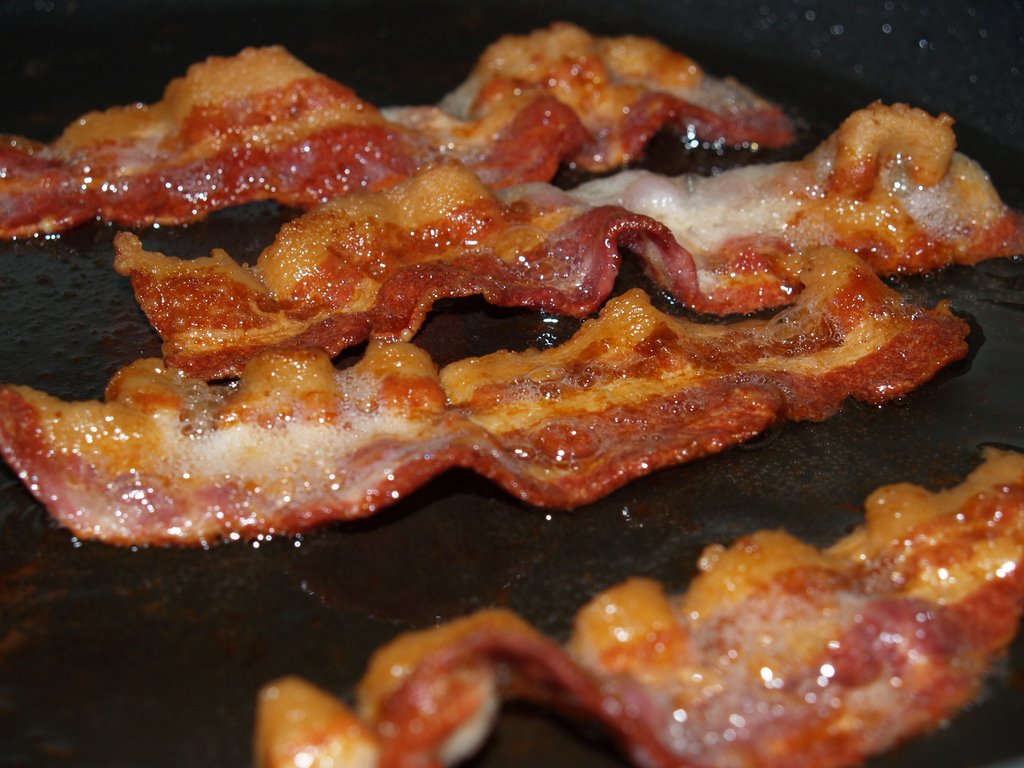
What High Heat Really Does To Bacon
When bacon goes into a ripping hot skillet, it is not just fat and salt changing. At temperatures that climb past roughly 300 °F, meat can form compounds that researchers classify as potential carcinogens. One group, known as heterocyclic amines, shows up in meat products cooked at temperatures higher than 300 °F, especially when the surface chars.
Public health agencies describe how heterocyclic amines and polycyclic aromatic hydrocarbons emerge when muscle meats are cooked at very high temperatures through methods like pan frying or grilling. As the fat drips and burns or the meat browns deeply, these heterocyclic amines and related chemicals can form in the browned surface. Experimental work has linked several of these compounds to DNA damage in animal models, which is why they sit under the cancer-linked spotlight.
That chemistry sits on top of a broader concern about processed meats in general. International cancer experts have classified processed meats, including bacon, as carcinogenic to humans, with particular focus on colorectal cancer. Their assessment notes that red meat and are associated with higher cancer risk, and that the way these foods are cooked can influence the formation of harmful byproducts. For homeowners who grew up with a hot skillet as the default, that kind of language is enough to make the smoke alarm feel like a health alarm too.
From Nitrites To HCAs, Why Processed Bacon Draws Extra Scrutiny
Bacon is not just any meat; it is a processed product cured with salt and often nitrite-based preservatives. Those nitrites help keep the meat pink and fend off bacteria, but they can also convert in the stomach into N-nitroso compounds that scientists have flagged as potentially carcinogenic. One analysis of processed meat intake found that for every 50 grams of processed meat eaten daily, the risk of colorectal cancer increased by 18 percent, with the figure of 50 grams often used as a reference point for a modest serving.
Those numbers help explain why some cancer specialists now advise that red meats and processed meats, including bacon, hot dogs, and sausages, be eaten more sparingly, if at all, when people are thinking about colorectal cancer prevention. Guidance that lists Red meats and as foods to limit is landing in the same kitchens where weekend breakfasts used to be built around a full pack of bacon. Homeowners who have watched relatives go through colon surgery or chemotherapy do not need much convincing to start trimming back.
At the same time, some specialists in meat curing argue that the story is more complicated than a blanket indictment. Detailed reviews of curing practices suggest that, under modern manufacturing controls, the actual formation of nitrosamines and related amines in bacon can be relatively low. One technical assessment concludes that while concerns regarding nitrosamine and amine formation in bacon are valid, the real-world risk is limited when producers follow current standards, a point laid out in work on the low risk of and amine formation in bacon. That tension between population-level warnings and manufacturing detail is part of why homeowners are left sorting through mixed messages while they stand at the stove.
How Home Cooks Are Tweaking Their Routine
Faced with all of this, homeowners are not necessarily giving up bacon forever, but they are changing how they cook it. International cancer experts have pointed out that cooking at high temperatures or with the food in direct contact with a flame or hot surface, as in barbecuing or pan frying, produces compounds that may contribute to cancer risk. That has more people shifting toward gentler methods, since Cooking at high is where the trouble begins.
Some of the same experts who warn about these compounds also point out that the way meat is prepared can lower exposure. Research that tracked people’s cooking habits found that those who ate meat cooked at very high temperatures or to a very well done state had higher estimated intakes of heterocyclic amines, and that these exposures were associated with cancer incidence. When people shifted to lower temperature methods or avoided charring, the intake of these cooked meat chemicals dropped. That same logic is now showing up in home kitchens, where oven-baked bacon on a rack, shorter cooking times, or simply fewer bacon days per week have become the new normal.
More from Vinyl and Velvet:

Leave a Reply