

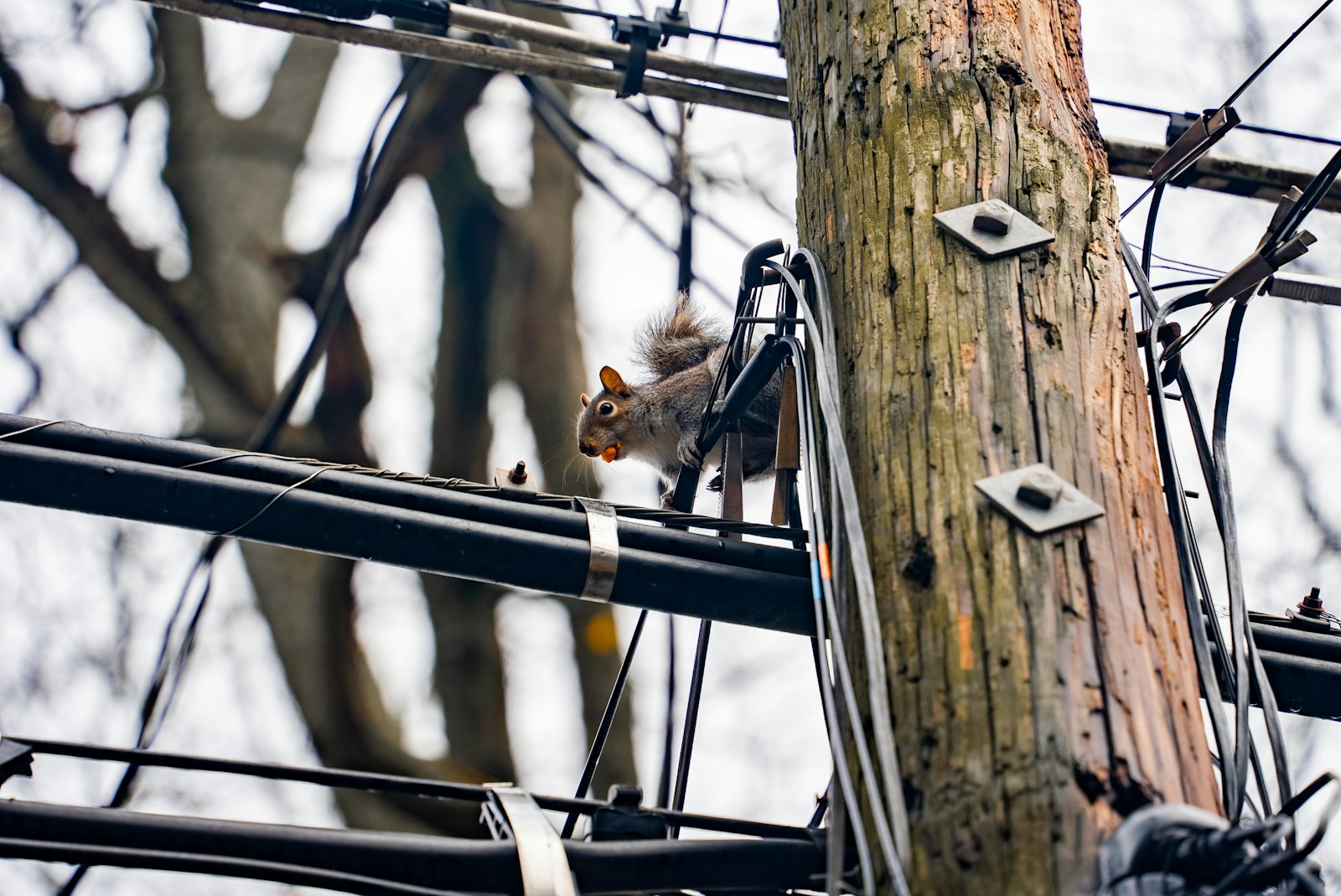
They can stop squirrels from chewing through wires with a simple metal mesh that costs about $20 and fits around exposed cable runs. That inexpensive galvanized mesh creates a durable physical barrier that prevents rodents from reaching insulation and conductor jackets, cutting the risk of short circuits and electrical fires.
You’ll see how to use this quick fix around attic runs, eaves, and outdoor fixtures, plus when to upgrade to conduit or call a pro. The post also covers broader steps—sealing entry points, trimming branches, and choosing rodent-resistant wiring—so the problem doesn’t keep coming back.
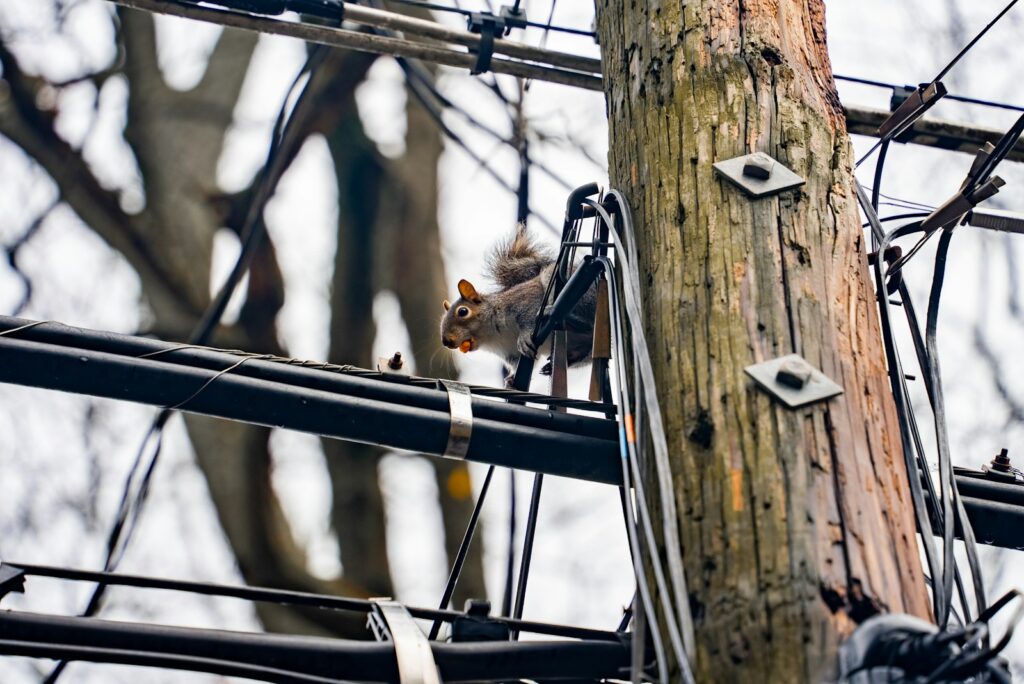
The $20 Solution to Squirrels Chewing Wires
A short roll of metal mesh can shield exposed cable runs and junctions, reduce repair costs, and block rodents from reaching conductor jackets. Proper material choice and fastening determine whether the barrier lasts or just delays the next chew-through.
How Galvanized Steel Stucco Netting Stops Squirrels
Galvanized steel stucco netting is a stiff, diamond-patterned metal mesh that resists biting and tearing better than plastic or thin wire. The galvanization slows corrosion in damp attics and soffits, so the barrier stays intact longer and keeps squirrels from reaching insulation or bare copper.
The mesh’s small openings deny a squirrel’s incisors access to conductor jackets. When wrapped around cables or fitted over junction boxes, it creates a continuous mechanical shield. For short visible runs, this is often cheaper than replacing cable with armored conduit and can prevent repeated electrician trips.
Homeowners can find comparable products labeled as hardware cloth or stucco netting at big-box stores. Sizes and gauge vary, so they should choose a heavy-gauge option with 1/4″–1/2″ openings and a width that fits common cable bundles.
Installation Tips for Maximum Protection
Wear gloves and cut the netting with tin snips; fold or crimp sharp edges inward to prevent cuts or wire abrasion. Measure the run, allow overlap of at least one diamond pattern, and fasten every 12–18 inches with galvanized staples or sheet-metal screws and washers.
When wrapping cables, start 2–3 inches beyond the exposed section and work outward to avoid gaps. For junctions, form a box or cone around the box and secure it to framing so squirrels cannot force a gap. Check fasteners near soffits and eaves where movement and pests loosen attachments first.
Avoid compressing cables tightly with the mesh; maintain a little space to prevent insulation damage. If a whole run exists through attic cavities, consider combining netting with conduit or replacing vulnerable sections with armored cable to reduce long-term repair costs.
Preventing Short Circuits and House Fires
Chewed insulation exposes copper conductors, which creates a high risk of short circuits and arcing. Arcing can produce heat hot enough to ignite nearby insulation, wood framing, or attic stored items—leading to a house fire. Netting removes the immediate access squirrels need to start that chain.
After installing mesh, inspect for any preexisting nicks or exposed copper. If damage appears, an electrician should de-energize circuits and either splice inside a proper junction box or replace the compromised cable section. Do not rely on mesh as a fix for already-damaged wiring.
Combine netting with sealing entry points and trimming branches to lower the chance rodents return. For more product details and purchasing options, consider looking at galvanized stucco netting listings at retailers like Lowe’s for dimensions and price.
Comprehensive Strategies for Preventing Squirrel Damage
This section lists practical actions homeowners can take to block access, detect activity early, and reduce long-term risk to wiring and structures. It focuses on specific materials, placement, and routine checks to stop chewing and nesting.
Physical Barriers and Alternative Deterrents
Install metal flashing, hardware cloth (1/4–1/2 inch mesh), or sheet metal around rooflines, soffits, vents, and eaves; squirrels cannot chew through steel. Stuff gaps under fascia or in wall openings with steel wool, then cover with a rigid patch of metal or exterior-grade plywood to prevent re-gapping. Fit chimney caps and screen open vents with durable metal mesh to close common entry points.
Add a squirrel baffle on bird-feeder poles and wrap tree trunks with a 2–3 foot band of smooth metal to stop climbing access. Use garden netting or pest barrier around bulbs and vulnerable planting areas to prevent digging and root damage. For short-term deterrence, homeowners sometimes apply peppermint oil-soaked rags near likely entry points, but replace frequently and avoid using oils where pets or children can contact them.
Identifying Signs of Squirrel Infestation and Damage
Look for small, oblong droppings in attics, crawlspaces, and near entry holes; droppings differ from rodent pellets by size and often appear near nests. Listen for daytime scratching, scampering, or thumping in ceilings and attics—squirrels are diurnal and noisy during daylight hours. Inspect insulation for displaced or shredded material and check wiring for gnaw marks or exposed conductors; chewed wiring commonly appears frayed with teeth marks and can show melty insulation if shorting occurred.
Examine exterior wood and siding for triangular or ragged chew marks around vents and soffits. Use a flashlight and mirror to inspect behind fascia and inside soffits. If homeowners find nests (leaf or insulation nests), note their location and assess whether a one-way exclusion or professional removal is needed to avoid orphaning young.
Long-Term Prevention and Safety Measures
Schedule seasonal inspections—spring and late summer work best—to spot new entry points after storms or growth changes. Trim tree branches to keep them 8–10 feet from the roofline so rodents lose easy bridges to the house. Secure trash, compost, and birdfeeders: use animal-proof lids and clean up spilled seed promptly to remove food attractants.
Replace or re-route exposed electrical wiring in attics and garages into conduit or behind metal plates to reduce chewing risk. When damage is suspected, hire a licensed electrician to repair wiring rather than patching temporarily. Combine habitat modification with deterrents: remove dense brush and woodpiles near foundations and install motion-activated lights or sprinklers where squirrels frequent. For persistent problems, consult a licensed wildlife control professional who can assess legal restrictions and humane exclusion options.
More from Vinyl and Velvet:

Leave a Reply