

Every awards season, someone watching the Grammys wonders if the voting could ever be so tight that two artists walk away sharing the same trophy. The short answer is yes, ties are absolutely possible, and they have already happened on music’s biggest night. The longer story is that these dead heats are rare, carefully handled, and often end up becoming part of Grammy lore.
From historic stalemates in major races to more recent split decisions in genre fields, the Recording Academy has a clear rulebook for what happens when the vote is too close to call. Those rules, and a handful of headline‑making examples, explain why a tie is not a glitch in the system but a built‑in outcome that occasionally reshapes how fans remember a given year.
How Grammy Voting Actually Handles a Tie
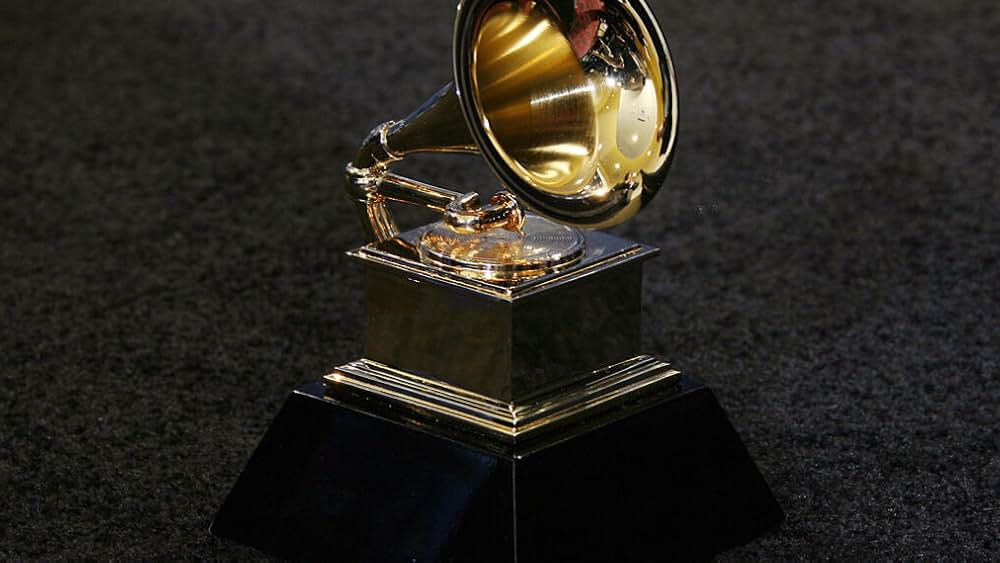
The Grammys are not judged by a small panel huddled in a back room; they are decided by thousands of Recording Academy members casting ballots across dozens of categories. In each race, the recording that racks up the most votes wins, but the Academy’s own voting guidelines make it clear that ties are explicitly allowed. If two or more nominees finish with the same top total, they are all treated as winners, and each receives a golden gramophone along with the usual medallion and certificate.
That approach might sound simple, yet it is a big reason the Grammys can produce those gasp‑worthy moments when presenters open an envelope and announce two names instead of one. Unlike some competitions that build in tiebreakers, the Academy accepts that creative work is hard to separate by a single vote and lets the deadlock stand. It is the same logic that lets multiple shows share a category at the Emmys or films split a prize at the Oscars, and it is why a Grammy tie is not a scandal but a feature of the system.
Yes, There Have Been Real Ties Onstage
For anyone still skeptical, there is a very recent, very splashy example. At the 2022 ceremony, the Best R&B Performance category ended with Silk Sonic and Jazmine Sullivan locked together at the top of the ballot. Instead of breaking the stalemate behind the scenes, the Academy crowned both, so Silk Sonic and each walked away with a trophy for Best R&B Performance. It was a textbook case of the tie rule in action, and it turned what is usually a single‑winner moment into a shared victory that fans of both acts still talk about.
That was not a one‑off fluke. Earlier in the current decade, the Grammys also produced a split result in the progressive R&B field. Coverage of the 2025 show noted that the Best Progressive R&B Album Grammy had two winners after the vote ended in a tie, turning what is usually a straightforward genre trophy into a shared milestone. When that happens, the telecast does not hide it; presenters simply announce that the category has two winners, and both artists are treated as full Grammy recipients in the official record.
The Legendary Song of the Year Deadlock
Longtime Grammy watchers still point to one tie in particular as a turning point in awards‑show history. In the late 1970s, the Academy’s voters found themselves unable to separate two contenders in one of the night’s most prestigious races, leading to a song of the year tie at the 20th annual Grammies. According to accounts of that ceremony, the Academy of 1978 Grammy voters made history by failing to settle on a single winner, and the resulting split decision instantly became one of the most talked‑about moments in the show’s early decades.
That stalemate still resonates because Song of the Year is a songwriting honor that often defines how a particular era of pop is remembered. When the category ends in a draw, it effectively rewrites that year’s narrative, elevating two tracks into the canon instead of one. The 20TH annual Grammies outcome proved that even in a marquee race, the Academy is willing to let the numbers speak for themselves rather than force a tiebreaker, and it set a precedent that still shapes how fans think about possible future deadlocks in major fields.
Why Ties Feel So Rare, Even When They Happen
Given all that, it might seem like ties should pop up constantly, especially in crowded categories where voters are splitting hairs between five or more strong contenders. In practice, they remain unusual partly because of the sheer size of the voting pool and partly because of how the categories are structured. Top races like Album of the Year or Best comedy album, where projects such as Sincerely Louis CK by Louis C.K. compete, tend to attract broad consensus, which makes an exact tie statistically harder even when the field is strong.
There is also a perception factor at work. Fans remember the handful of headline‑grabbing dead heats, like the song of the year tie or the shared Best R&B Performance win, but they are spread across decades of ceremonies and dozens of categories. In between, the Grammys hand out trophies in areas as varied as roots gospel, where albums like My Savior by Carrie Underwood have been honored, and niche technical fields that rarely make the broadcast. Most of those races produce a single winner, so when a tie does break through into the televised show, it feels like a once‑in‑a‑generation surprise even though the rulebook has allowed it all along.
Rumors, Future Deadlocks, and How Fans Read the Tea Leaves
Because ties are both rare and dramatic, they tend to generate a lot of speculation whenever a Grammy race looks especially tight. Ahead of recent ceremonies, social media chatter has included posts suggesting that a major category could once again end in a dead heat, echoing the way the song of the year at the 20th annual Grammies still looms over awards discourse. One widely shared update framed it as a rumor that a tie in a major category could occur at an upcoming show, explicitly invoking that earlier Grammies precedent as proof that it can happen again.
Fans also bring their own pop‑culture reference points to the conversation. When people talk about a potential tie between two acclaimed soundtracks, for instance, they might casually compare the emotional pull of a film like Soul with the meticulous period detail of a series such as The Queen’s Gambit, even if those projects are not actually competing in the same Grammy field. That kind of cross‑talk shows how viewers use familiar titles to imagine what a split decision might look like, long before the Academy’s accountants finish tallying the real ballots.
More from Vinyl and Velvet:

Leave a Reply