

Garrett Morris has spent decades in front of cameras, but when he talks about his late The Jeffersons co-star Sherman Hemsley, the stories get smaller, warmer, and very specific. The man who played Jimmy, the foster kid who shook up the Jefferson household, remembers a colleague who made sure everyone was fed, seen, and laughing between takes. Their time together was brief on paper, yet the memories Morris shares now feel like a long, easy dinner that never quite ended.
Looking back, Morris is not just revisiting a classic sitcom, he is sketching out the real person behind George Jefferson’s strut. His recollections of generosity, quiet kindness, and shared struggle add new layers to a television icon whose impact still ripples through pop culture and through the people who worked closest with him.
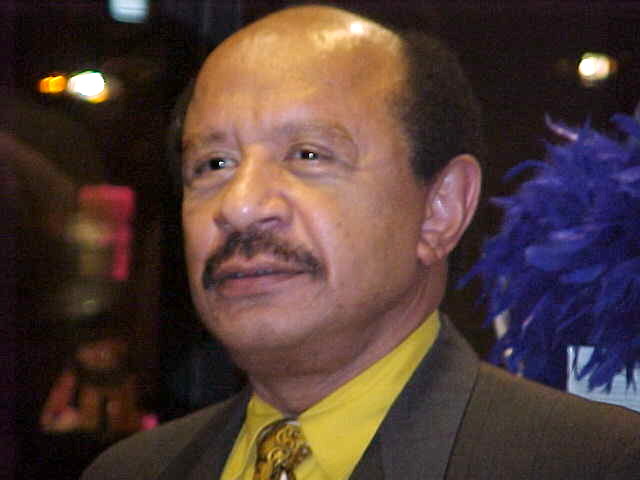
On-set generosity and a cast that ate together
When Garrett Morris talks about Sherman Hemsley, the first thing he reaches for is not a punchline, it is a plate. He recalls how Hemsley would routinely pick up the tab and literally feed the whole cast, turning workdays into something closer to family gatherings. That habit of making sure everyone was taken care of is how Morris frames his late colleague, a man he praises in an exclusive reflection that centers on simple, concrete acts of kindness rather than Hollywood mythmaking.
Those meals mattered because they cut through hierarchy. The Jeffersons was a hit, and Hemsley was the face of it, yet Morris remembers a star who used his status to create comfort instead of distance. The way he would feed the whole cast was not just about food, it was about setting a tone on set, one where a guest actor like Morris felt as included as the leads. In an industry that can be brutally transactional, that kind of everyday generosity sticks in the memory long after the lights go down.
Jimmy moves in: the foster son who shook up The Jeffersons
For viewers, Garrett Morris is forever tied to The Jeffersons through Jimmy, the foster child who shows up at the Jeffersons’ door and instantly scrambles their routine. In that storyline, Isabel Sanford and Sherman Hemsley, as Louise and George, brace for one kind of kid and get another, with Morris’s Jimmy bringing a different energy into the deluxe apartment in the sky. A clip shared by The Norman Lear Effect captures The Jeffersons, Isabel Sanford and Sherman Hemsley, getting ready to meet their foster child Jimmy, played by Garrett Morris, only to be hit with a surprise when he actually shows up.
That arc let Morris and Hemsley bounce off each other in a way that felt both sharp and oddly tender. George Jefferson’s bluster met Jimmy’s mix of vulnerability and attitude, and the result was a set of scenes that still circulate online as a snapshot of how the show handled family, class, and expectations. For Morris, those episodes were not just another gig, they were a chance to plug into a well-oiled ensemble and trade lines with a star who knew exactly how to turn conflict into chemistry.
Two years in the Jeffersons’ orbit
What many casual fans miss is that Morris’s time with The Jeffersons was not a one-off cameo. He has talked about spending roughly two years as a regular presence around the show, a stretch he remembers as a “great great time” working alongside colleagues he refers to as Barera and Rox. In a conversation that looks back on that period, he describes those two years as a distinct chapter in his career, one where the rhythm of the set and the people on it made the work feel unusually alive, a point he underlines while discussing that run in a video interview.
That extended stay meant he saw Hemsley not just in the big, showy moments, but in the grind of week-to-week production. Being around for that long let Morris watch how Hemsley carried the weight of a hit series while still carving out time to joke, to listen, and, as he likes to emphasize, to make sure everyone was eating. It is one thing to be generous on a special occasion, another to keep that up over seasons, and Morris’s memories suggest that consistency was part of what made Hemsley stand out.
From depression to a deluxe apartment: Morris’s personal turning point
Behind Morris’s affection for The Jeffersons is a more private story about where he was when the show came calling. He has spoken openly about arriving in Los Angeles while still working through a period of depression tied to what had happened on Saturday Night Live and the fallout from that chapter of his life. Landing on The Jeffersons at that moment, he says, was a “great memory” precisely because it came as he was coming out of that whole thing of depression and trying to reset his career, a transition he lays out in a candid discussion.
In that context, Hemsley’s warmth and the easy camaraderie on set take on extra weight. For an actor rebuilding his confidence, walking into a space where the star is quietly picking up the check and treating you like part of the inner circle can be stabilizing. Morris’s recollections of that time are not just nostalgia for a classic sitcom, they are gratitude for a workplace that helped pull him out of a dark stretch, with Hemsley’s presence woven through that recovery.
The private man behind George Jefferson’s swagger
Part of what makes Morris’s stories land is how sharply they contrast with the character audiences knew. George Jefferson was loud, flashy, and always ready for a fight, but people who worked with Sherman Hemsley describe someone far more reserved. Actor Damon Evans has said that Hemsley was “separate” in the sense that he did not chase the spotlight off camera, calling him a very humble guy, unlike George, who just rolled with the punches. Evans has also spoken about Hemsley being gay and keeping that part of his life relatively quiet, painting a picture of a man who guarded his privacy even as his character became larger than life, a portrait he shares in an interview.
That gap between persona and person is exactly what Morris seems to honor when he talks about Hemsley feeding the cast or quietly supporting colleagues. The public saw George’s strut, but the people on set saw a man who kept his head down, did the work, and showed care in small, consistent ways. Together, their accounts round out a figure who was navigating fame, identity, and expectation in an era when being both Black and gay in the industry meant carrying extra risk, a reality that makes his off-screen humility feel less like shyness and more like self-protection.
More from Vinyl and Velvet:

Leave a Reply