

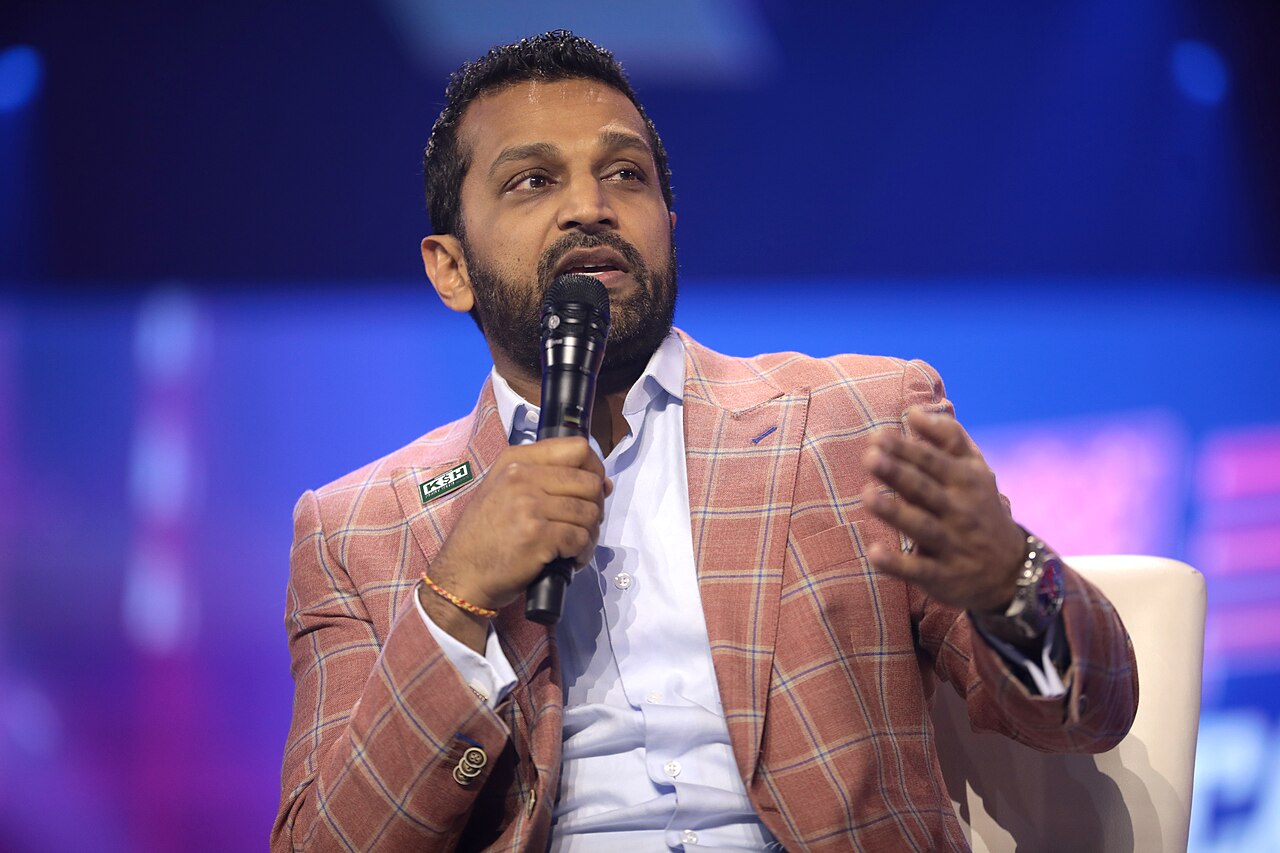
You see headlines about Kash Patel partying with Team USA and wonder what actually happened and why it stirred such a strong reaction. He says he loves America and calls the locker-room moment heartfelt, but critics say his use of FBI resources raises real ethical and taxpayer questions.
The piece will walk through the incident that sparked the backlash, the agency’s defense of his trip, and why the debate keeps growing — from official statements to social posts and questions about reimbursement. Expect a clear timeline, key quotes, and what this could mean for public trust.

FBI Director Kash Patel’s Olympics Controversy
Patel’s presence in Milan sparked three intertwined disputes: whether he used taxpayer-funded FBI resources for a personal visit, whether his locker-room celebration with Team USA crossed professional lines, and how his posts and others’ responses shaped public perception.
Backlash Over Locker Room Celebration
Videos and photos showing Patel celebrating with Team USA after the gold-medal hockey game circulated widely. Critics questioned why the FBI director appeared in a players’ locker room and whether that access reflected inappropriate familiarity or improper use of time and resources.
Some clips reportedly originated from athletes’ social posts and were later deleted, but screenshots and reposts persisted. Opponents cited past allegations that Patel used agency aircraft for personal trips and demanded transparency and reimbursement if government assets covered any private activity.
Supporters argued the celebration was brief and voluntary, noting he expressed pride in the team on his X account. The optics, however, fueled calls from lawmakers and commentators for records and clearer boundaries between official duties and social engagements.
Official Reasons for Olympic Trip
FBI spokespeople said Patel’s trip included security-focused meetings and interagency coordination tied to the Olympics. The FBI highlighted his visits to the U.S. Embassy in Rome and the Milan Joint Operations Center, a 24/7 coordination hub for Olympic security, as part of an official itinerary.
Agency tweets and briefings listed scheduled partner meetings with Italian law enforcement, an ambassadorial meeting, and briefings on the FBI’s Olympic posture. The FBI also emphasized routine engagement with international partners around major events such as the Olympics, World Cup, and F1 races.
Officials acknowledged any personal portion would be reimbursed, while insisting much of the travel was planned months earlier. That explanation aimed to frame his presence as work-related rather than a casual fan trip.
Social Media Reactions and Public Perception
Patel’s own posts—calling the moment “humbled” and saying “I love America”—amplified reactions online. Supportive posts celebrated his presence with champions, while critics used the posts to criticize perceived hypocrisy and prior comments about other officials’ travel.
Media outlets and users on X and other platforms debated whether video took precedence over official explanations. Some journalists and lawmakers pressed for travel records; others accepted the FBI’s stated security role. The back-and-forth drove trending coverage, mixing official briefings, leaked clips, and partisan commentary.
Public perception hinged on both optics and documentation: visible celebration made the trip relatable to some, but calls for accountability grew louder without transparent travel records or clear separation of personal and official activities.
Patel’s Response and Ongoing Criticism
Patel said he attended Olympic security meetings in Italy and then joined Team USA celebrations in the locker room, drawing strong reactions online over drinking on camera and wearing a player’s gold medal. Critics questioned whether parts of the trip were personal and whether taxpayer funds covered them, while supporters pointed to briefings at the Milan Joint Operations Center.
Patel’s Public Statements Defending His Actions
He posted on X that he “love[s] America” and felt “extremely humbled” after players invited him into the locker room, framing the appearance as a personal, spontaneous moment with athletes. He said lessons from coordinating with Italian and Olympic law enforcement would inform U.S. preparations for the FIFA World Cup, stressing an operational purpose for being in-country. Patel also shared a screenshot indicating any personal expenses would be reimbursed, attempting to address cost concerns. The tone of his public remarks mixed pride in Team USA with an emphasis on official security work, which he presented as the primary justification for his presence.
Scrutiny of Government Travel and Personal Conduct
Watchers focused on two issues: expense rules for federal officials and norms for agency leaders’ conduct. Questions surfaced about whether travel and locker-room access complied with Department policies on official travel and interactions with private citizens. The visible drinking and celebration raised ethical and image concerns given active FBI investigations and public safety priorities back home. Journalists including television personalities amplified the story, noting how optics matter for the bureau’s credibility. Accountability calls centered on documentation of the trip, receipts, and whether the FBI’s internal controls were followed when a director mixes official meetings with informal social moments.
Connections to Alexis Wilkins and Media Attention
Reporting tied the locker-room appearances to broader networks of contacts and celebrity access, which led observers to ask about intermediaries who arranged introductions. Mention of Alexis Wilkins in some threads reflected public interest in who facilitated his access to athletes, though concrete reporting on her role remains limited. Media coverage, including televised segments and social posts, emphasized video clips and viral moments more than detailed procurement records. Coverage also tracked how outlets use cookies and analytics to boost engagement, which influenced which clips circulated most widely and how quickly criticism spread online.
More from Vinyl and Velvet:

Leave a Reply