

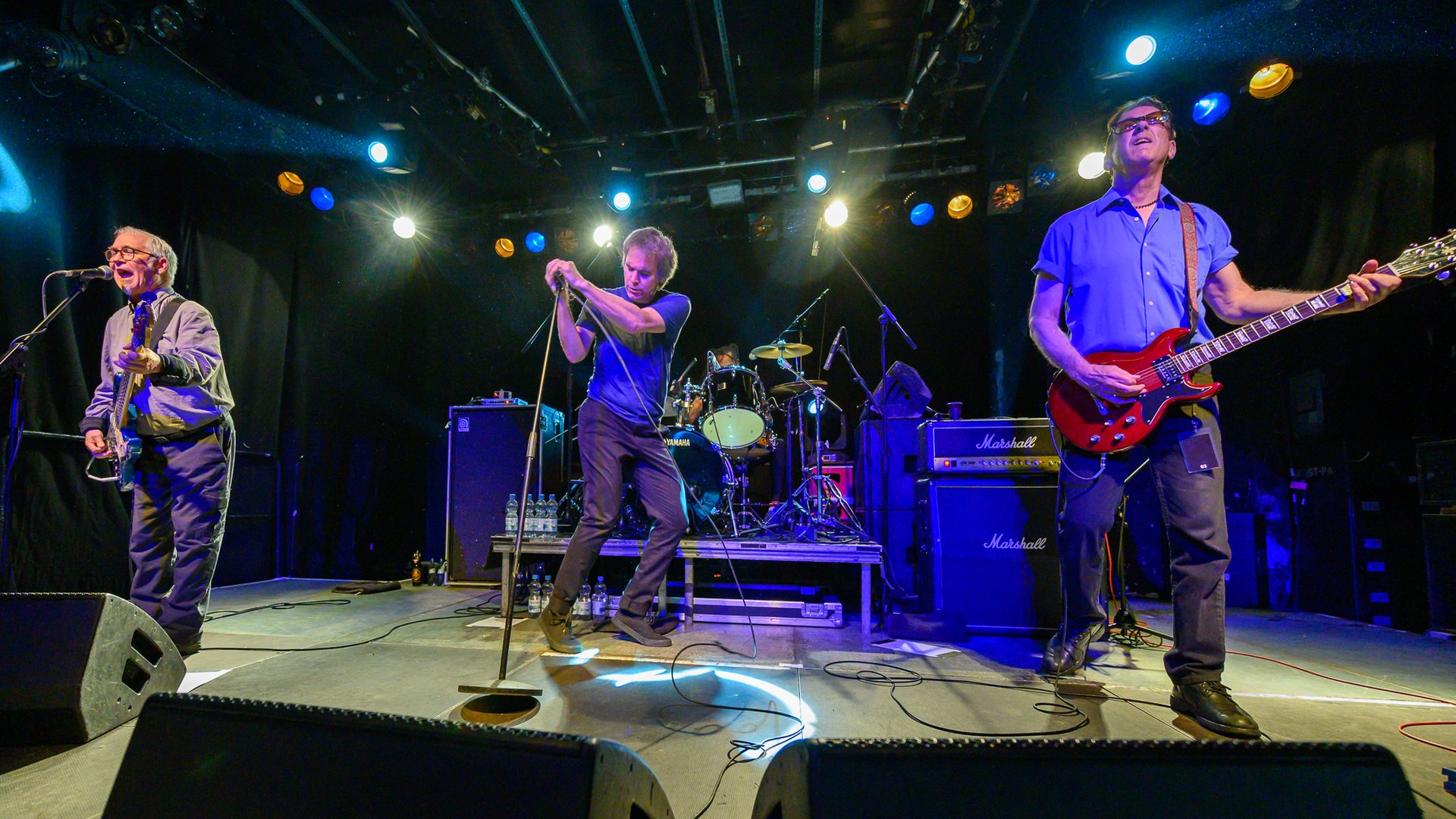
Every now and then, a simple timeline realization messes with people’s heads. That’s exactly what happened when fans pointed out that Doolittle by Pixies is now chronologically closer to Rock Around the Clock by Bill Haley & His Comets than it is to today.
In a post on Reddit, that realization sparked a bigger question: if so much time has passed, why does modern rock still feel sonically closer to the late ’80s than the ’80s felt to the ’50s?
Rock Once Evolved Fast—Now It Moves Slower
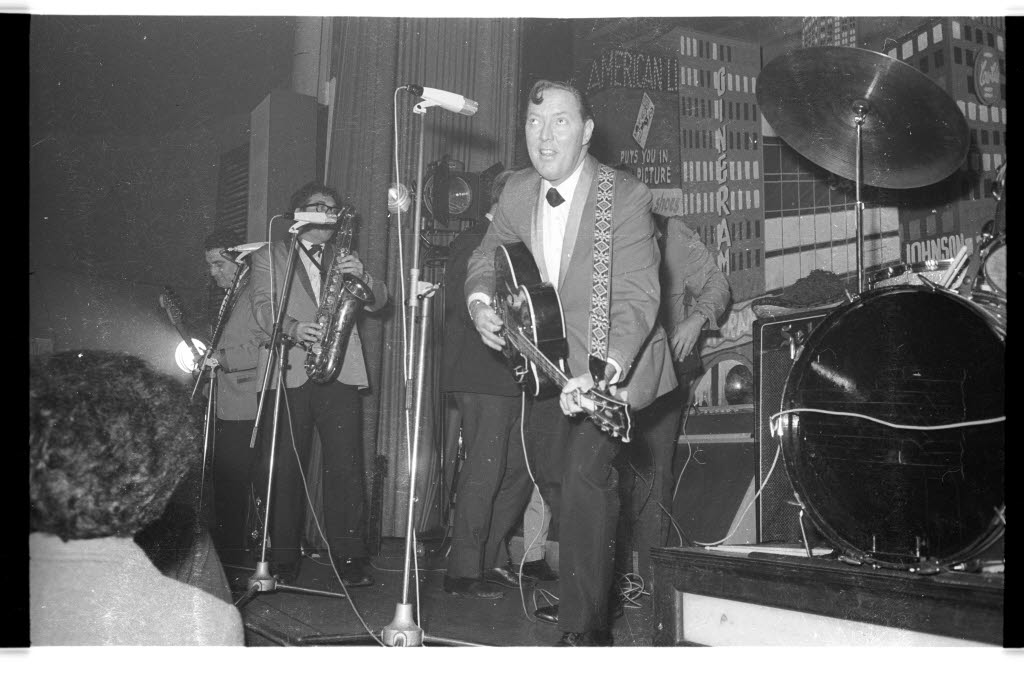
One of the most common explanations is that rock’s early decades moved insanely fast. Between the 1950s and 1970s, music saw huge leaps—better recording tech, new instruments, multi-track production, and entirely new subgenres forming almost overnight.
That meant artists were constantly reinventing the sound. What started with early rock and roll quickly turned into psychedelia, punk, metal, and alternative. Compared to that era, today’s changes feel more incremental than revolutionary.
There May Be Fewer “Big Shifts” Left
Another idea is that rock has simply explored most of its core possibilities. With guitars, drums, and vocals at its center, there are only so many ways to radically reshape the formula before it stops sounding like rock at all.
So instead of constant reinvention, modern rock often builds on what already exists—refining, blending, or revisiting older sounds rather than breaking entirely new ground. That can make it feel like time has slowed down musically.
The Industry Changed the Game
A lot of commenters pointed to the music industry itself. In earlier decades, labels took bigger risks on bands, and radio helped push new sounds into the mainstream. Today, streaming has flipped that model. New music competes not just with current releases, but with decades of iconic back catalogs.
That makes it harder for any one sound to dominate or redefine the genre. At the same time, genres like hip-hop and pop have taken over the cultural spotlight, pulling creative energy away from rock.
What People Are Saying
The discussion wasn’t one-sided. Some argued rock isn’t stagnant at all—you just have to dig deeper into underground scenes to find innovation. Others pushed back, saying the mainstream rock landscape simply doesn’t evolve the way it used to.
A few took a more philosophical angle, suggesting the 1960s and 1970s were the real anomaly—a perfect storm of technology, culture, and youth identity that accelerated change in a way that can’t easily be repeated.
Either way, the timeline comparison stuck with people. Because once you see it, it’s hard to ignore. And it raises a bigger question: has rock slowed down… or has it simply reached a point where evolution looks different than it used to?
More from Vinyl and Velvet:

Leave a Reply