


An experienced hiker recently laid out a familiar nightmare scenario: she warned a group of friends about dangerous trail conditions, they brushed her off as negative, and now one of them is freezing her out for speaking up. The fallout hits a nerve in outdoor circles where safety talk is often treated as a buzzkill instead of basic trip planning. It is a clash between hard-earned caution and the pressure to keep the vibe light, and it is playing out in friendships as much as on the trail.
Her story taps into a bigger question that hikers keep running into: when someone has real experience, how blunt can they be about risk before they are labeled dramatic, controlling, or “bad energy” for the group. The answer matters, because on unstable slopes and icy ridges, social awkwardness is a small price compared with what can go wrong.
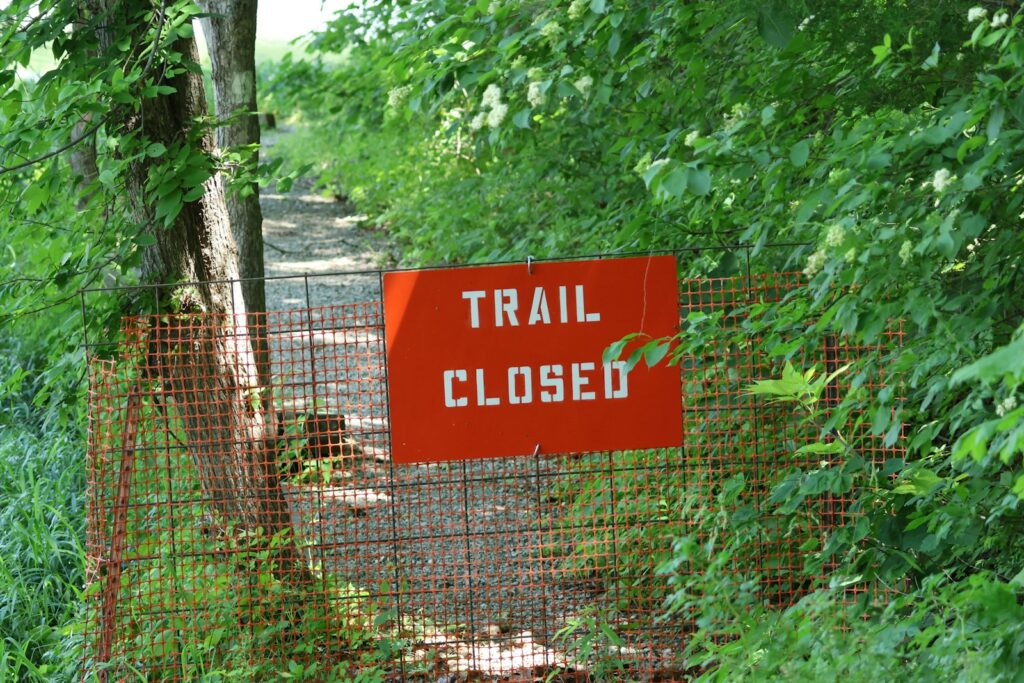
The hiker who was 100% right, and still lost a friend
In the account that has been circulating among hikers, the woman describes herself as the most experienced person in a mixed group that included beginners. She checked recent reports, saw warnings about a mudslide and unstable terrain, and pushed back when a friend, Mary, insisted the trail would be fine if everyone just stayed “positive.” When she refused to gloss over the risks, she was accused of fearmongering and told she was ruining the mood. Her decision to pull the least experienced hikers off the route was later validated when conditions turned out exactly as she had warned, and she says her logic was “100%” backed up by what they found on the ground, yet Mary still cut contact afterward and launched into the silent treatment over being contradicted in front of the group, according to the detailed post on AITAH.
The situation is not happening in a vacuum. Hikers have been sharing clips and posts that echo the same social tension, from Jul bluntly pointing out how “miserable” it is when a fitter friend drags everyone at an unsafe pace on a climb, in a viral reel on Instagram, to another user in an AmIOverreacting thread who admits she is still upset about a partner ignoring her concerns on a hike and now feels she has to “have a proper conversation with him” to reset boundaries, as described in the Jan discussion. In each case, the person speaking up about comfort or danger ends up painted as the problem, even when they are the one actually scanning for hazards.
Why warnings feel personal, even when they are not
What jumps out in these stories is how quickly a factual warning turns into a referendum on someone’s character. Mary did not just disagree about trail conditions, she treated the experienced hiker’s caution as an attack on her optimism and leadership. That pattern shows up in other corners of hiking culture, where veterans describe how people online “get really upset when an experienced thru-hiker tells them” that their plan or gear is not realistic. One post from Feb on a page called Trail Marshall Hiking has Steven Melton explaining that it is not about people being “keyboard warriors,” it is about them “feigning experience” and bristling when a more seasoned voice points out gaps in their plan, as laid out in the Trail Marshall Hiking thread.
Once ego gets involved, even clear evidence can bounce off. Another Trail Marshall Hiking post from Dec describes hikers who “share nonsense” about the Appalachian Trail, ignore corrections, and “never seem to learn,” even when they are gently told that rumors about conditions or rules are flat wrong. The writer asks, “Honest question: If or when something goes sideways, who are they going to blame,” and talks about how being “falsely accused sucks” after trying to warn people, a frustration spelled out in the Dec post. That same dynamic is at play in Mary’s silent treatment: once she framed the warning as a personal slight, there was no easy way for her to back down without admitting she had put people at risk.
When “bad vibes” collide with very real danger
Out on real trails, the stakes for this kind of denial are not hypothetical. A viral safety video by Nov opens with a blunt plea: “do not ever ignore a warning when you are in a national forest,” especially if you are alone. The creator recounts how a simple decision to push past posted alerts can spiral into a rescue or worse, and urges viewers to treat ranger signs and local reports as non-negotiable, a point hammered home in the widely shared Nov video. That message lines up with recent reports of a veteran hiker in Utah who is now fighting for life after a fall on a Wasatch-area trail where Officials had already been warning about snow and ice that melt and refreeze, creating treacherous surfaces on popular paths, according to a Wasatch report.
More from Vinyl and Velvet:

Leave a Reply