

Ryan Wedding once carved down Olympic slopes for Canada. Now, the former snowboarder is in handcuffs, accused of quietly running a sprawling drug empire while slipping past authorities for years. His arrest in Mexico caps a wild arc from men’s parallel giant slalom to an alleged role as a violent kingpin tied to murders and a multinational cocaine pipeline.
Investigators say Wedding did not just dabble in crime, he allegedly built a full-scale operation that stretched across borders and left a trail of bodies. The case now racing toward a U.S. courtroom is set to test how a onetime Olympian ended up at the center of a story that sounds more like a streaming drama than a sports biography.
The dramatic capture in Mexico
After years of near misses and rumors, U.S. agents finally caught up with Ryan Wedding in Mexico, where he had been hiding while federal indictments piled up. Officials say he was taken into custody in a coordinated operation that involved the FBI and Mexican authorities, ending a long run as one of the most elusive figures on an American most-wanted list linked to drug trafficking and murder. The arrest, which U.S. officials confirmed after he was detained in Mexico, followed a long investigation that tracked his movements across Latin America and tied him to a sophisticated cocaine network, according to Prosecutors.
Mexico’s security ministry has said that agents moved on Wedding after tying him to a criminal organization that allegedly moved large quantities of cocaine into the United States, a group that investigators had been mapping for years. The same ministry linked his capture to a broader push against foreign traffickers operating on Mexican soil, describing him as a foreign boss whose network intersected with local players, according to officials cited in Mexico’s security ministry. For U.S. agents who had watched him slip away more than once, the arrest in Mexico marked the end of a long and frustrating chase.
From Olympic slopes to a federal indictment
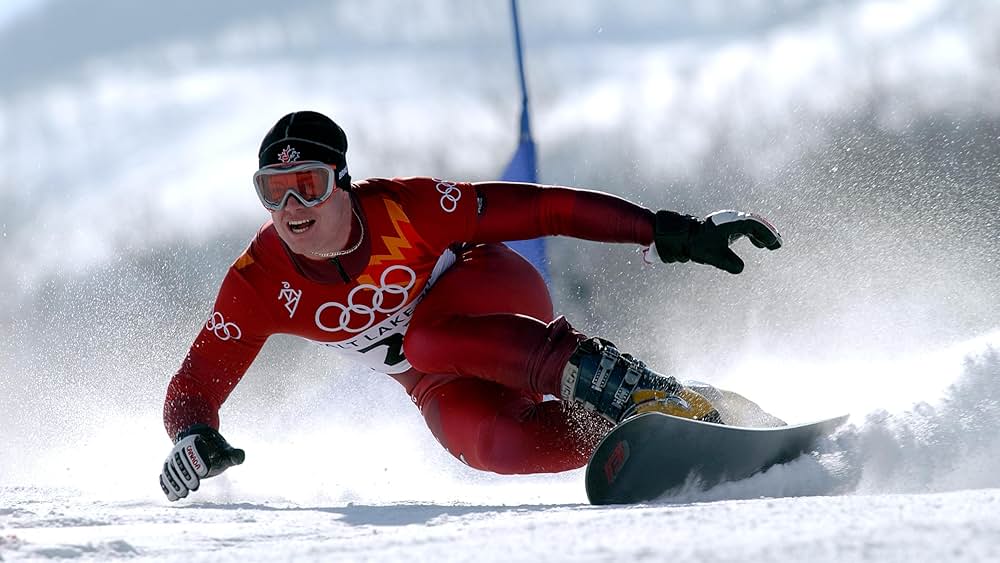
Long before his name showed up in court filings, Ryan Wedding was known in sports circles as a Canadian Olympic snowboarder with a shot at making noise on the world stage. He competed in the men’s parallel giant slalom event at the Olympics, where he finished in 24th place, a respectable result that still left him far from medal contention but firmly in the elite ranks of his sport, according to his Olympic record. That appearance helped cement his identity back home as a national team athlete, someone who had reached the pinnacle of winter sports.
Federal prosecutors now paint a very different picture of the same man. Court documents describe a Canadian Olympic snowboarder who allegedly pivoted from competition to crime, building a drug enterprise that moved cocaine through the United States, Canada and Latin America. Officials say the onetime Olympian leveraged international contacts and travel experience to move in and out of countries while staying a step ahead of law enforcement, a transformation that has stunned people who only knew him from highlight reels, according to profiles of How Canadian Olympian Ryan Wedding.
How investigators say the drug ring worked
According to U.S. authorities, Wedding did not just attach his name to an existing cartel, he allegedly ran a crew that handled its own logistics, money and muscle. Investigators say his organization arranged shipments of cocaine that moved from Latin America into the United States, then on to Canada, using a mix of couriers, stash houses and shell businesses to disguise the flow of drugs and cash. The FBI has described him as a former Olympic snowboarder who became a central figure in a network that stretched across the US, Canada and Latin America, a reach that helped explain why he landed on a most-wanted list, according to a summary of Ryan Wedding.
Federal agents say the money involved was just as serious as the geography. In court filings, they accuse Wedding of helping generate millions of dollars a year in illegal drug proceeds, cash that allegedly moved through bank accounts, front companies and bulk currency smuggling. Investigators in California have described him as a former Olympic snowboarder who oversaw a pipeline that produced staggering profits, a claim that surfaced as they detailed how the group allegedly laundered its earnings, according to federal authorities cited in Former Olympic filings.
Allegations of murder and violent enforcement
The charges against Wedding go well beyond trafficking, and it is the violence that has shocked even seasoned investigators. Prosecutors allege that he ordered killings to protect his business, including the murders of The Sidhus in November 2023 and a man named Zafar in May 2024, attacks that authorities say were tied to disputes inside the drug trade. Those killings, which investigators link directly to Wedding’s alleged role as a boss, are now central to the murder counts he faces in the United States, according to a detailed account of The Sidhus and Zafar.
Investigators say the killings were not random, but part of a pattern in which Wedding allegedly used violence to settle scores and enforce discipline inside his organization. One victim was reportedly targeted over a drug debt in 2024, a detail that surfaced as agents laid out how disputes over money and loyalty could turn deadly in his orbit. Those allegations of contract-style hits, layered on top of the trafficking counts, are a big reason prosecutors describe him as an alleged drug lord rather than just another smuggler, a framing that appears in charging documents summarized by Wedding‘s case history.
Years on the run and a global manhunt
By the time agents finally grabbed Wedding in Mexico, he had already spent years as a fugitive, slipping through the cracks of multiple countries’ law enforcement systems. The FBI added him to a most-wanted list tied to drug trafficking and murder, and agents say they chased leads from Canada to Latin America as they tried to pin down his location. At one point, investigators described him as a former Olympic snowboarder who had become a ghost, surfacing only in encrypted messages and secondhand sightings, according to a live briefing that identified him as a Former Olympic snowboarder wanted across borders.
U.S. officials say the break came when they worked with Mexican counterparts to track his movements inside the country, eventually zeroing in on a location where he was believed to be living under an alias. Federal agents later described the operation as the culmination of a long-running hunt for a fugitive Olympic snowboarder accused of becoming a drug lord in Mexico, a chase that ended only when they were able to move in and arrest him without a major firefight, according to accounts of how Feds captured him.
The wider dragnet: dozens of alleged accomplices
Wedding’s arrest did not happen in a vacuum, and authorities say his case is part of a much larger crackdown on the network he allegedly ran. According to federal officials, a total of 36 people have been arrested in connection with the drug ring Wedding is accused of running, a figure that underscores how many alleged lieutenants, couriers and money handlers were swept up as the investigation unfolded. That number, cited by an official named Davis, shows just how sprawling the alleged organization had become before agents started rolling up its members, according to a briefing in which Davis said 36 were in custody.
Investigators say those arrests helped them map out the structure of Wedding’s alleged operation, from street-level distributors to regional coordinators who handled logistics and payments. As more suspects were picked up, agents say they gathered testimony and documents that tied Wedding to decisions at the top of the hierarchy, including orders about shipments and enforcement. That growing stack of evidence is now expected to play a central role in the U.S. case against Wedding, who prosecutors describe as the hub of a wheel whose spokes stretched across multiple countries, according to summaries of the alleged criminal organization linked to Wedding’s alleged group.
Inside the U.S. charges and what comes next
Now that Wedding is in custody, the focus shifts to the courtroom, where he faces a stack of U.S. charges that include cocaine trafficking and murder. Prosecutors say he will be transported from Mexico to the United States to stand trial, a move that will bring the former Olympian face to face with a federal judge and a jury that will hear about his alleged role as a drug lord. The FBI has framed the case as one involving a Canadian Olympian who helped move large quantities of cocaine and ordered killings to protect his business, according to charging documents that describe how FBI agents built their case.
Wedding has been indicted on counts that include running a continuing criminal enterprise, conspiracy to distribute cocaine and multiple murder charges tied to the killings of rivals and associates. Officials say the case grew out of a long-running investigation by several federal agencies that tracked his alleged activities across borders and eventually led to his addition to a most-wanted list. That history is laid out in public records that trace his path from athlete to accused kingpin, including references to how he expanded his operation and drew the attention of multiple agencies, according to a detailed entry on Ryan Wedding.
The media spotlight on a fallen Olympian
From the moment news broke that a former Olympic snowboarder had been arrested as an alleged drug kingpin, the story exploded across international media. Reporters highlighted the contrast between the clean-cut image of an Olympian and the gritty details of a cocaine and murder case, zeroing in on how a Canadian athlete ended up accused of running a cross-border criminal network. Coverage has repeatedly described him as a Canadian ex-Olympic snowboarder turned alleged drug kingpin arrested in Mexico, a framing that captures both his sports past and the seriousness of the accusations, according to reports on Canadian ex-Olympic snowboarder.
Some accounts have leaned into the cinematic feel of the saga, describing how Canadian snowboarder-turned-drug kingpin Ryan Wedding was arrested in Mexico after years on the lam and will now be transported back to face charges. Others have focused on the human whiplash of seeing an athlete once celebrated on national television now led away by agents, with one report noting that Ryan Wedding, the former Oly competitor, allegedly used his international experience to help him evade justice, according to a narrative that casts Canadian Ryan Wedding as a fugitive finally cornered.
How his story reshapes the Olympic myth
Wedding’s fall is hitting a nerve because it cuts against the usual Olympic storyline, where athletes are cast as role models and national heroes. Here, the narrative is flipped: a Canadian Olympic snowboarder who once represented his country is now accused of running a violent drug enterprise that left people dead. That tension has fueled deep dives into his background, with one profile tracing how Ryan Wedding, a former Canadian Olympic snowboarder, allegedly shifted from training runs to trafficking routes, according to a feature on Ryan Wedding and his journey.
The case is also forcing uncomfortable questions for sports institutions that often celebrate Olympians long after their competitive careers end. Wedding’s name now sits in public records that detail both his Olympic finish and his later indictment on drug and murder charges, a juxtaposition that is hard to ignore. One political and legal rundown notes that he performed in the men’s parallel giant slalom event and finished in 24th place before later facing federal charges, a reminder that athletic success and later criminal allegations can coexist in the same biography, according to the combined record of his Olympics and indictment.
More from Vinyl and Velvet:

Leave a Reply