

Studio stories around Elton John tend to sound almost mythical, but the people who were actually in the room remember something a lot more grounded: a hyper‑focused musician pushing himself and everyone around him to the edge. His longtime producer has described those marathon sessions as equal parts pressure cooker and playground, where a demanding star, a tight circle of collaborators, and a ticking clock somehow kept turning chaos into classic records.
What emerges from those accounts is not just a portrait of a superstar with a short fuse, but of a working bandleader who treated the studio like a live stage, expected instant chemistry, and rarely looked back once a song was down on tape. The result was a run of albums that still sound spontaneous, largely because they were.
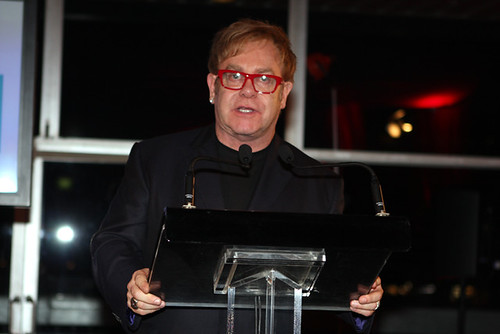
“Play it like a gig”: How Elton John turned the studio into a live room
People who worked closest with Elton John describe a process that barely resembled the slow, layered recording style most pop acts rely on. His producer and bandmates have said that he preferred to cut tracks in just a few takes, often recording vocals and piano live with the band so the song felt like a performance instead of a construction project, a method that helped fuel the energy on albums like “Goodbye Yellow Brick Road”. That approach meant everyone in the room had to be locked in from the first run‑through, because there was rarely time to polish parts later.
That urgency was baked into the way the songs were written. Bernie Taupin would hand over finished lyrics, and Elton John has recalled sitting at the piano and hammering out melodies in minutes, then heading straight into recording while the ideas were still fresh, a rhythm that collaborators say became routine during his early‑1970s hot streak. Producers and engineers have pointed to sessions where multiple songs were tracked in a single day, with the band cutting live arrangements around Elton’s piano and vocal, a pace documented in retrospectives on the making of “Honky Château” and other classic albums.
Intensity, perfectionism, and the pressure to keep up
That speed came with a cost, and the producer’s memories of those sessions are laced with stories about how intense the atmosphere could get once the red light was on. Musicians who shared the studio with Elton John have said he could be blunt when a part was not working, pushing players to match the standard he set at the piano, a dynamic that shows up in interviews about the recording of “Goodbye Yellow Brick Road”. Engineers have recalled long days that stretched late into the night as takes were repeated until the groove felt exactly right, even if the basic track had been nailed in just a few passes.
At the same time, that pressure often came with a sense of camaraderie that made the grind feel like a shared mission rather than a one‑way demand from the star. Accounts from band members like Davey Johnstone and Nigel Olsson describe a tight‑knit group that learned to read Elton John’s moods and musical cues, adjusting on the fly when he decided to change a key, extend an outro, or speed up a song in the middle of a take, details that surface in oral histories of his 1970s sessions and later projects such as “Captain Fantastic and the Brown Dirt Cowboy”. The producer’s job, in that environment, was as much about managing the room’s energy as it was about microphone placement.
From analog marathons to modern collaborations
Those early analog marathons set a template that Elton John and his producers kept adapting as technology and his own career shifted. When he moved into more polished pop and adult contemporary territory in the 1980s and 1990s, collaborators have said the sessions grew more layered, with overdubs and synth textures added around his core piano and vocal, a shift documented in breakdowns of albums like “Too Low for Zero”. Even then, producers have emphasized that the foundation usually came from a live performance in the studio, captured quickly before the moment slipped away.
In recent years, that same work ethic has shown up in more collaborative projects, where Elton John has stepped into the role of elder statesman while still chasing the spark of a first take. On the album “The Lockdown Sessions”, for example, producers and guest artists have talked about remote files flying back and forth, but also about Elton John insisting on cutting his parts in focused bursts, often finishing vocals in a single sitting. The tools have changed, yet the producer’s core memory of working with him remains the same: once the song is in front of him and the studio light is on, everyone has to be ready, because he is not interested in chasing a feeling that has already passed.
More from Vinyl and Velvet:

Leave a Reply