

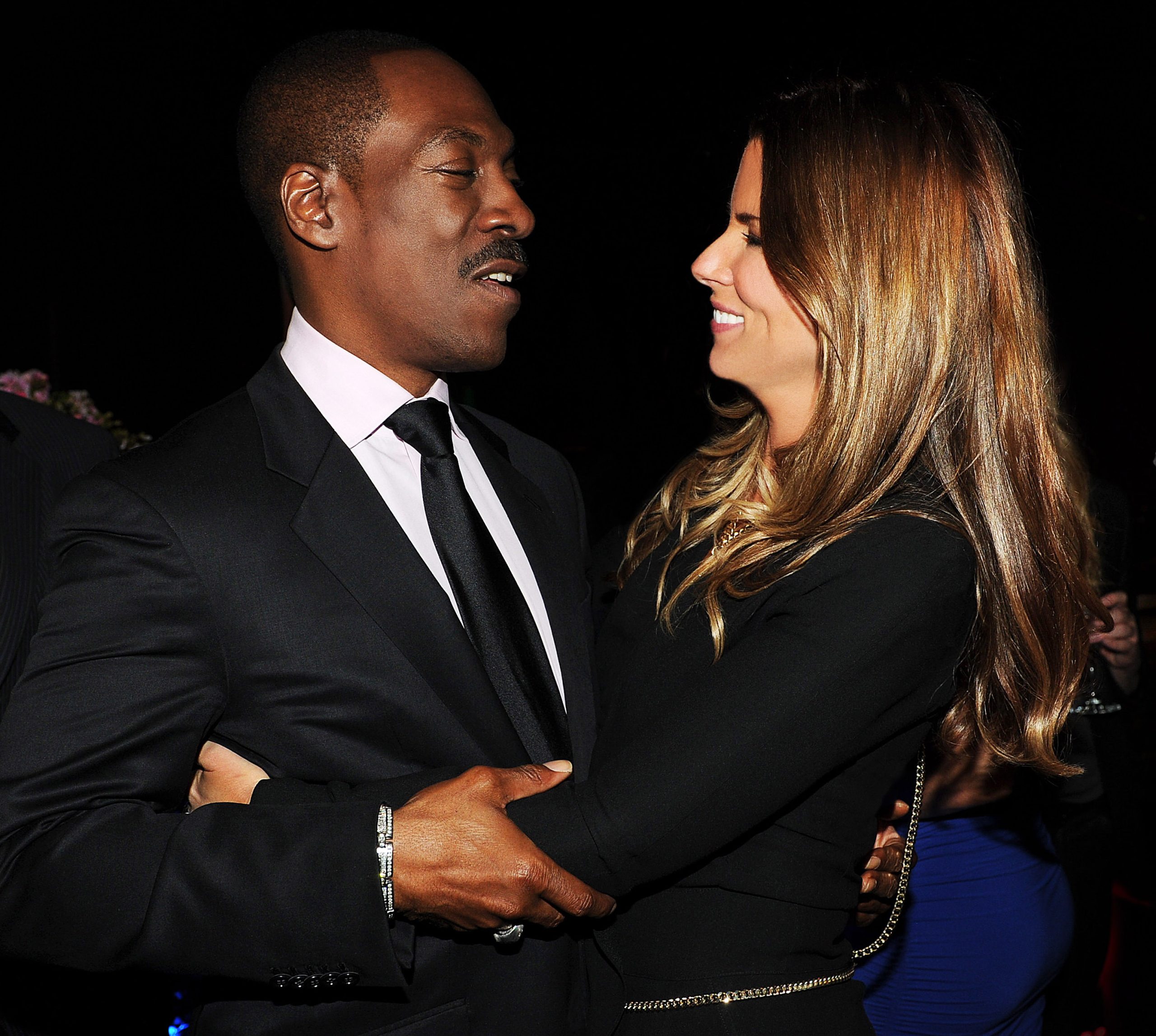
Eddie Murphy’s abrupt exit from the 2007 Academy Awards has lingered as one of Hollywood’s most debated awards‑night mysteries. Nearly two decades later, the comic and movie star is finally spelling out the mix of superstition, sympathy and a single Clint Eastwood moment that convinced him to slip out of the ceremony after losing best supporting actor for “Dreamgirls.”
His new account reframes what looked like a sore‑loser move as something more complicated, rooted in how he experiences fame, public pity and the strange rituals that surround the Oscars. By walking through the night beat by beat, Murphy is not just revisiting a viral headline, he is dissecting how a room full of power players can make even a veteran feel suddenly small.
Heading into that 2007 ceremony, Eddie Murphy was widely treated as the favorite to win best supporting actor for his turn as James “Thunder” Early in “Dreamgirls,” a performance that had already earned him major precursor awards and a wave of industry goodwill. He has since underlined that he arrived at the Academy Awards in a celebratory mood, not bracing for disappointment, and that the loss itself did not initially send him into a tailspin. In his retelling, the real shift came after his name was not called and the room’s energy around him changed.
Murphy recalls that he was taking the upset in stride until a wave of consolation started rolling his way, with colleagues and executives treating him as if something tragic had happened. He has described how people approached him with hushed tones and heavy pats on the back, a reaction he later told Entertainment Weekly the felt more like a memorial than a party. That disconnect between his own acceptance of the result and the room’s funereal sympathy set the stage for his decision to leave.
The Clint Eastwood “jinx” that haunted the loss
Long before the envelope was opened, Murphy had been joking about the power of Clint Eastwood’s presence at awards shows. He has said that he once watched Eastwood attend an event and, in his words, “steal somebody’s Oscar,” a moment that stuck with him as a kind of superstition about how veteran legends can tilt the room. In his new account, he remembers telling friends, “He could steal somebody’s Oscar,” only to feel that the scenario played out again when he lost his own supporting actor race, a line he has repeated almost verbatim, saying, “I said those exact words. I was like, ‘He could steal somebody’s Oscar, then he stole mine.’”
Murphy’s recollection of that Eastwood encounter has become central to how he explains the 2007 walkout, turning what might sound like a simple awards‑night superstition into a narrative about power and perception. In coverage of his comments, the story is framed as “Eddie Murphy Says Clint Eastwood Moment Drove His Early Oscars Exit After ‘Dreamgirls’ Loss,” underscoring that he now sees that earlier Eastwood moment and his own defeat as linked. By tying his disappointment to a specific Hollywood icon, Murphy is not blaming a single rival so much as pointing to the mythology that surrounds certain figures and how that mythology can get into a nominee’s head.
From favorite to “sympathy guy” in a single commercial break
What truly pushed Murphy toward the exits, he says, was not the loss or any superstition, but the way people suddenly treated him as a figure of pity. He has described how, in the minutes after the supporting actor category, colleagues he barely knew came over to rub his shoulder and offer condolences, behavior he found more unsettling than comforting. One account of his remarks notes that he emphasized how the “sympathy” pouring in, particularly from a high‑profile Hollywood figure who came and rubbed his shoulder, made him feel like the room had recast him as a victim, a detail echoed in reporting that he told Entertainment Weekly he did not want to be “the sympathy guy.”
Murphy has been explicit that he did not storm out in a rage, but instead made a calculated decision to remove himself from an environment that suddenly felt suffocating. He has said that he was fine with the outcome until the consoling started, at which point he realized he would be spending the rest of the night fielding sad smiles and whispered commiseration. In his words, the real “mindf—” was not losing, but getting dressed up, arriving at what should have been a celebration, and then being treated like a cautionary tale, a sentiment he revisits in the documentary “Being Eddie,” where he explains, “The mindf— for me is that I get dressed,” a line highlighted in coverage of how he explains the real reason he left.
Rewriting an “infamous” walkout
For years, the dominant narrative around Murphy’s early departure painted him as a sore loser who could not handle an upset. He is now pushing back on that version, insisting that his exit was about preserving his own sense of dignity rather than sulking over a statuette. In a recent interview, he framed the episode as one of the “most infamous moments in Oscars history,” language echoed in coverage that describes how Eddie Murphy has come to see the walkout as a defining pop‑culture image he now has to contextualize.
Murphy has also stressed that he bears no lingering bitterness toward the eventual winner or the Academy, a point reinforced in reporting that he “denies bitterness” and reiterates that he left because he did not want to sit there as the object of everyone’s pity. He has even joked about the way the story has followed him, noting that people still bring up the walkout as if it happened yesterday. In one detailed account of his comments, he is quoted explaining that he had once watched Clint Eastwood “steal somebody’s Oscar” and later felt like Eastwood “stole mine,” a line that appears in coverage of how he denies bitterness after 2007 Oscars loss while still acknowledging the sting of that superstition coming true.
How a documentary and new interviews reframed the story
The latest wave of detail about that night has arrived through a combination of documentary footage and fresh sit‑downs, including the project “Being Eddie” and new conversations that revisit his awards‑season run for “Dreamgirls.” In one widely shared segment, Murphy recounts the entire evening, from getting dressed to the moment he decided to leave, and emphasizes that he was not angry so much as uncomfortable with the way the room’s mood had turned sentimental instead of celebratory. Coverage of his remarks notes that he has now “opened up” about his decision, explaining why he left the Oscars Early even as other nominees stayed to work the room.
Other recent reporting has zeroed in on the Clint Eastwood anecdote and the emotional whiplash of going from presumed winner to object of sympathy, with one account noting that Murphy’s story has drawn “3 comments” and highlighting how he now laughs at the superstition that “he could steal somebody’s Oscar, then he stole mine,” a line that appears in coverage that cites the figure 39 alongside the names Jan, EST, By REBECCA DAVISON, DEPUTY, HEAD, SHOWBIZ. Another detailed feature by Jane LaCroix, illustrated with a Photo credit to Chad Salvador, recounts how Murphy told the story of that night and reflected on how awards voting can feel more like alchemy than science, a perspective captured in a piece headlined “Jane” that situates his comments within a broader look at Oscar lore.
Why the Clint Eastwood moment still resonates
Murphy’s fixation on that earlier Clint Eastwood encounter is not just a colorful anecdote, it is a window into how stars process the rituals and hierarchies of awards culture. By framing Eastwood as someone who could “steal” an Oscar simply by showing up, Murphy is acknowledging the unspoken belief that certain legends carry an aura that can sway voters and audiences alike. One recent write‑up of his comments even frames the story around how Eddie Murphy reveals why a Clint Eastwood moment drove him from the 2007 Oscars, emphasizing that the room’s tone turned sentimental instead of celebratory once he lost.
At the same time, Murphy’s willingness to revisit the story now suggests a measure of distance and humor about the whole episode. He has been candid about how strange it felt to be the presumed winner, only to watch the narrative flip in real time, and how that experience shaped his view of awards as a sometimes arbitrary game. In one detailed breakdown of his comments, the story is framed as “Eddie Murphy Says Clint Eastwood Moment Drove His Early Oscars Exit After ‘Dreamgirls’ Loss,” while another piece on how he “reveals the reason behind his infamous Oscars walk out back in 2007” notes that he has been revisiting the episode since Jan and that the anecdote has become a staple of his awards‑season storytelling. Together, these accounts show a star reclaiming a narrative that once painted him as petulant, and instead presenting himself as someone who simply refused to sit through an evening where he had been recast as the object of everyone else’s regret.
More from Vinyl and Velvet:

Leave a Reply