

Midway through a packed Northern California show, Duran Duran stopped the music and turned the arena into a memorial. The band had learned that a devoted fan’s mother, Renee Good, had been killed during an ICE operation in Minnesota, and chose to address the loss directly from the stage. Their decision to fold a specific immigration tragedy into a pop spectacle underscored how deeply the politics of enforcement now reach into everyday American life, including the shared space of a concert.
The tribute, framed as a moment of silence and reflection, was not a generic nod to distant headlines but a pointed acknowledgment of a woman whose death had shaken their own fan community. By naming Renee Good and speaking to her family’s grief, the group turned a night of nostalgia into a public reckoning with the human cost of federal power.
The shooting of Renee Good and a band’s public response
According to the band’s own account, DURAN chose to PAYS public TRIBUTE to RENEE GOOD after learning that she had been shot and killed during an encounter with federal immigration agents in Minnesota. The group described her as the mother of a longtime fan who had reached out to them, and they framed the onstage gesture as a way to honor her life rather than debate the legal minutiae of the case. In their statement, they emphasized the shock of seeing a routine enforcement action end in gunfire and a family left without a parent, presenting Good as more than a statistic in an immigration report, but as a person whose absence would be felt in specific seats on their tour.
Details emerging from Minnesota indicate that Good was killed while sitting in her car as agents with ICE attempted to detain her during an operation earlier this week. Reporting notes that Good was shot on a Wednesday in early Jan, with The Department responsible for the operation later facing questions about how a planned arrest escalated into a fatal encounter. The description of her final moments, alone in a vehicle as officers closed in, has fueled criticism of the tactics used in the field and raised new concerns about how quickly routine stops can turn deadly for civilians who are not actively threatening anyone at the scene.
A Northern California arena turns into a vigil
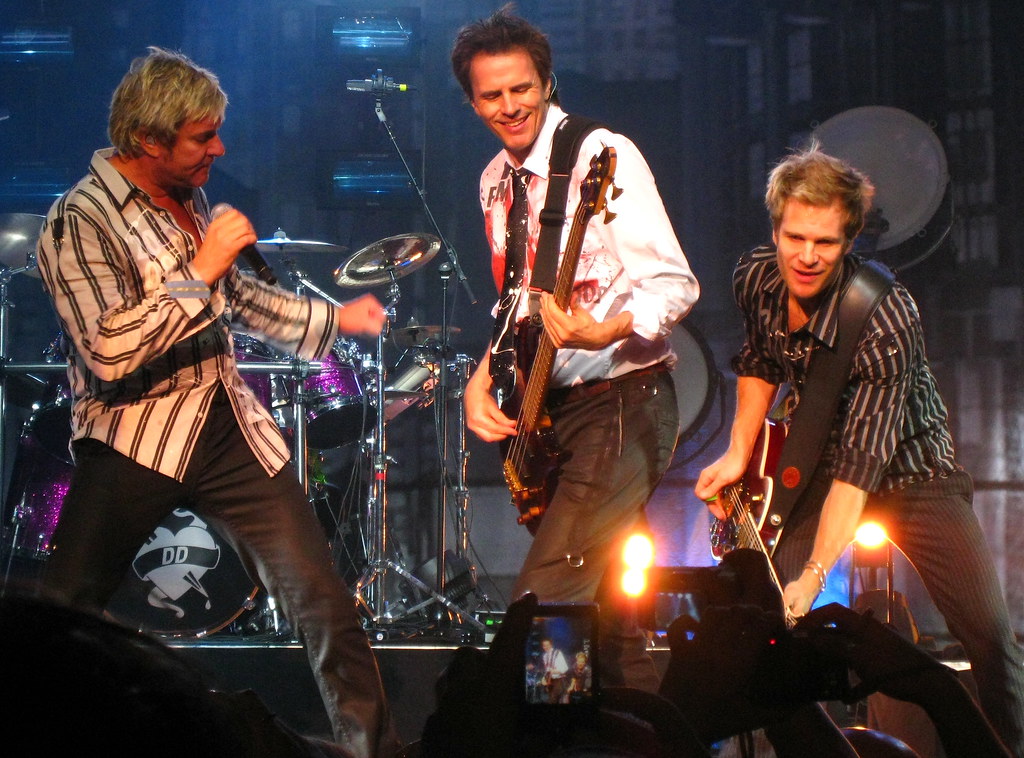
Onstage in Northern California, Duran Duran folded that grim reality into a show built on decades of Eighties hits, pausing the set to speak directly about the ICE shooting and the fan whose family had been shattered. Witnesses described a hush falling over the arena as the band explained that they were honoring a mother killed during an ICE operation and asked the crowd to join them in a moment of silence. The group then dedicated part of the performance to Good, effectively transforming a tour stop into a temporary vigil that linked the Bay Area audience to events hundreds of miles away in Minnesota through a shared act of remembrance.
Accounts of the night emphasize how the tribute landed with fans who had come expecting pure escapism from a band that helped define Eighties pop culture. Instead, they watched Duran Duran confront the reality that immigration enforcement is not an abstract policy debate but a force that can reach into the lives of people sitting in their own crowd. Coverage of the concert notes that the band’s remarks came in the middle of a high-energy set, underscoring the jarring contrast between the bright synth hooks that made them famous and the stark description of a woman shot during an ICE operation, a juxtaposition that left many in the audience visibly emotional.
Pop, politics, and the risks of speaking out on ICE
The decision by Eighties veterans Duran Duran to address ICE from the stage fits into a broader pattern of legacy acts using their platforms to comment on contemporary crises. Described as Eighties pop legends, the band has typically been associated with fashion-forward videos and glossy chart hits, not with immigration policy. Yet by stopping a show to acknowledge a mom killed by ICE, they signaled that even artists whose careers were built in a different political era now feel compelled to respond when fans are directly touched by state violence. That choice carries risks, particularly with an audience that spans generations and political views, but it also reflects a calculation that silence in the face of a supporter’s loss would be harder to justify than a brief, solemn statement.
Other coverage of the moment has framed it as part of a wave of performances where artists interrupt entertainment to address real-time tragedies, with one report describing how an ’80s Pop, Rock Band Pauses Concert to Make Solemn Statement After Fatal ICE Shooting, highlighting the emotional weight of the gesture. The figure 202 appears in that context as part of the broader discussion of how many shows and fans are now touched by such interventions, underscoring that this is no longer a rare occurrence. For Duran Duran, the tribute to Renee Good placed them squarely in that evolving tradition, using a few minutes onstage to insist that the life of one woman killed in an ICE encounter mattered enough to be named, mourned, and remembered in front of thousands.
In the days since, the band has reiterated its support for the grieving family, with DURAN again choosing to PAYS public TRIBUTE to RENEE GOOD in an official statement that mirrors the tone of the onstage remarks. That follow up has helped cement the moment as more than a one-off aside, instead presenting it as a deliberate stance that connects their fan community to the ongoing debate over how ICE operates and what accountability should look like when an arrest ends in death.
More from Vinyl and Velvet:

Leave a Reply