

The Upside Down has finally gone quiet, but the noise around the Stranger Things finale is only getting louder. After holding back while fans argued over heartbreak, plot twists, and who should have died, Matt and Ross Duffer are now unpacking what really went into those last hours in Hawkins. Their post-finale comments reveal a pair of creators who are both fiercely protective of their ending and surprisingly candid about what they might have done differently.
The brothers, who built Stranger Things into a global phenomenon over five seasons, are using new interviews and spoiler chats to explain why certain characters lived, why others had to go, and why the last stretch was always going to hurt. They are not trying to win every argument, but they are making it clear that the choices in that final run were mapped out years ago and carried a personal weight that went far beyond fan-service.
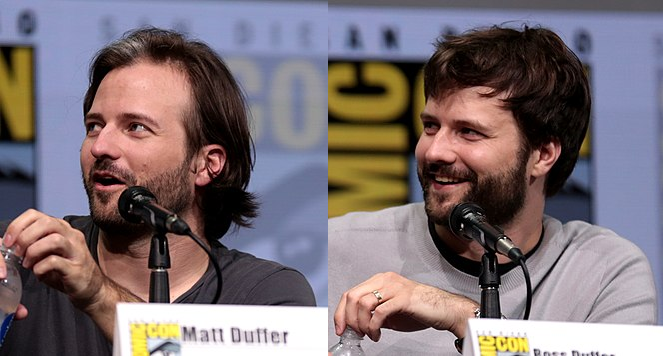
The plan behind the pain
From the outside, the finale can look like a flurry of last minute twists, yet the Duffer Brothers insist the emotional architecture was locked in long before cameras rolled. They have said they knew the shape of the last act of Stranger Things for years, including the fate of core heroes and the final image that would close the Upside Down for good. In one recent conversation, the Duffer Brothers explained that they had been carrying the last 40 m of the story in their heads, treating that final stretch as a non‑negotiable destination rather than something to tweak in response to weekly discourse, which helps explain why the ending feels both inevitable and divisive at the same time.
That long game is also why they sound so unbothered by accusations of plot holes. In a detailed breakdown of the season 5 ending, they pushed back on claims that certain scenes were “out of character” or logically shaky, arguing that what some viewers saw as gaps were actually choices made from a specific point of view inside the story. They pointed to moments that unfold through one character’s limited understanding, stressing that the camera is not always an objective witness but sometimes a reflection of what a teenager in Hawkins thinks is happening, a distinction they say was crucial to how the finale’s biggest confrontations were staged and later defended in a post‑finale interview.
Backlash, tears, and the “safe ending” debate
If the Duffers were prepared for tears, they might not have been fully ready for the volume of backlash. On social media and fan forums, some viewers praised the finale as a devastating goodbye, while others complained that the show pulled its punches. One fan on a television thread argued that the Duffer Brothers went with a “safe ending” because more favorites survived than expected, even as they admitted that any choice would have angered someone. That tension sits at the heart of the creators’ recent explanations, where they acknowledge hearing the “no one big enough died” complaints but maintain that the story was never meant to be a body count contest.
In a spoiler‑heavy sit‑down with Josh Horowitz on his podcast Happy Sad Confused, the Duffer brothers opened up about regrets and second thoughts, with Matt Duffer reflecting on scenes he might stage differently if he had another pass. That conversation, which arrived after their first big interview blitz, framed the backlash less as something to fight and more as proof that fans were deeply invested. At the same time, a separate long‑form spoiler chat, flagged with a loud SPOILER WARNING as Matt and Ross Duffer returned to talk through the final season on video, showed them laughing at some of the wilder theories while still taking the emotional critiques seriously.
Inside the set, and what comes after Hawkins
For all the online noise, the most intense reactions may have happened on set. Ross Duffer has described how hard it was to get through take after take of the finale because the cast kept getting “too emotional,” to the point where he and his brother had to remind certain actors that their characters were not supposed to be openly devastated yet. He recalled telling one performer that they were “not supposed to be upset” in that moment, a note that echoed in later coverage of how the cast got overwhelmed filming scenes that were written to play lighter, a dynamic he unpacked in a detailed recollection.
That atmosphere carried over once the cameras stopped. After the Stranger Things finale wrapped, Matt Duffer shared that in ten years of working together he had never seen one particular actor so shaken, a story that surfaced in a heartfelt post that rippled through the fandom. Fans responded in kind, with one viewer on a StrangerThings forum admitting they “cried inconsolably” at Season 5 Episode 8, titled The Right, capturing how the fictional grief bled into real‑world catharsis.
Answers, spinoffs, and the long shadow of the Upside Down
Even with the main story wrapped, the Duffers are still in clean‑up mode, answering lingering questions about who lived, who died, and what exactly happened in those final psychic showdowns. One of the biggest debates centers on Eleven, with viewers asking if she actually died in the finale or simply transcended into some new form of existence. A detailed breakdown of the last scenes notes that She leaves one last message, “I will always be with you. I love you,” and After one last kiss in the psychic‑verse the gate closes, a sequence the brothers have used to argue that the ending is less about literal death and more about sacrifice and connection, as they clarified in a follow‑up explanation.
They have also fielded very practical questions, like Could Eleven Ever Talk to Mike Again After the finale, and whether any of the surviving kids could reconnect across dimensions now that the main gate is sealed. In one Q&A, they walked through how the psychic rules have changed and why at least one shocking sacrifice had to stick, a stance laid out as they addressed fan questions. At the same time, they pushed back on the idea that they were afraid to kill characters, explaining in another interview that as dramatic as the final season was, they did not want to follow a formula where “one character has to die in the final season” just to prove stakes, a philosophy they laid out while insisting they had “talked through everything” in a candid discussion.
From secret scenes to the next chapter
Part of the intrigue around the finale has come from whispers of secret scenes and alternate beats that never made it to Netflix. When Stranger Things season 5 wrapped with its highly emotional eighth episode, reports surfaced that the Duffer Brothers had toyed with a hidden coda that would act as Matt’s “safety net,” a backup way to re‑enter the world if they ever felt the main ending was too definitive, an idea teased in coverage of secret plans. They ultimately stuck with the original closer, but the existence of that safety net underscores how hard it was to walk away from Hawkins for good.
Of course, “goodbye” is a relative term in franchise land. Are the Duffer Brothers writing the Stranger Things spinoffs, fans asked, and the answer was a very clear Yes. Fortunately for Netflix, the same duo who turned a small‑town horror story into a nine‑year run are already mapping out new series after a short break, as confirmed in reporting on upcoming spinoffs. That future work will build on a legacy that started when the brothers, whose careers are charted in detail on their biography, first pitched a scrappy supernatural drama that would eventually conclude its fifth and final Season on Netflix after a nine‑year run.
Living with the ending
As the dust settles, the Duffers are also trying to calm one very specific fear: that fans who skipped the stage prequel are “doing it wrong.” To allay those concerns, Matt Duffer told Variety that viewers “absolutely do not have to have seen the play to understand” the final season and that any connections to the stage story are “Easter eggs more than anything,” a reassurance laid out in a piece examining how their comments briefly made some fans hate the expanded world. That clarification fits with their broader message: the core story lives in the eight televised episodes, not in side quests.
At the same time, they are still revisiting the nuts and bolts of the finale in more informal settings. A long spoiler conversation on YouTube let Matt and Ross Duffer riff on favorite moments and near‑miss ideas, while a separate commentary video that critics jokingly dubbed “Stranger Things COPE” highlighted how, as one host put it, the Duffer brothers actually came out and went “By the way we know yesterday we gave a load of terrible answers,” a self‑aware nod captured in a viral clip. For a show that began as a scrappy genre homage and ended as a cultural monolith, it is fitting that its creators are closing things out the same way they started: talking directly to fans, defending their weirdest instincts, and trusting that the people who stuck with Hawkins this long will follow them into whatever comes after In The Finale, where Max, Sadie Sink, and Lucas shared their last stand, as chronicled in a reflective feature.
More from Vinyl and Velvet:

Leave a Reply