

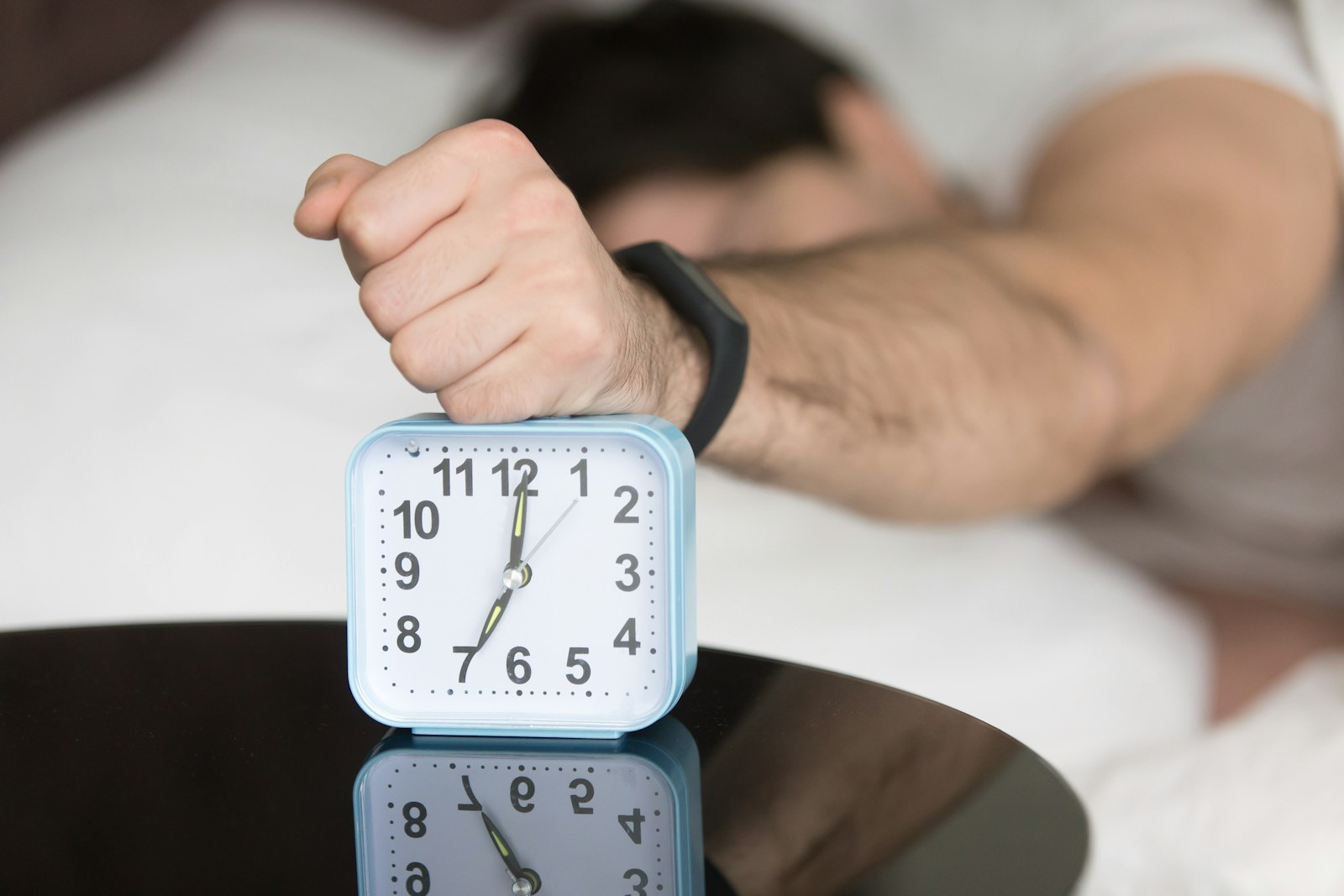
Every spring, as the clocks jump forward, one long-haul driver says his world narrows to a tunnel of highway lines, pounding migraines, and almost no sleep. For years, he blamed stress, age, even too much truck-stop coffee, until doctors finally pointed to the one variable that changed like clockwork each March: the daylight saving time switch. His story may sound dramatic, but sleep and headache specialists now say the science backs him up.
Researchers are finding that the yearly ritual of “springing forward” does more than steal an hour from the weekend. The one-hour shift can throw off the brain’s internal clock, cut into deep sleep, and in some people flip a hidden switch for migraine attacks and other health problems. For drivers who already live on tight schedules and thin margins of rest, that can turn the time change into a dangerous season.
What the science says about migraines, sleep and the spring clock jump
Neurologists have been watching what happens to sensitive brains around the spring daylight saving time transition, and the pattern is not kind to migraine patients. In one Abstract focused on the spring switch, the Objective was to measure how the daylight saving time, or DST, transition affects sleep and headaches in people already prone to pain. The findings connect the lost hour and sudden light shift with worse sleep and more frequent headaches in the days that follow, which is exactly what that exhausted driver reports every year.
Fresh work from Davis Health adds more detail to that picture. In a recent project, UC Davis researchers tracked headache diaries and used sleep sensor data to see what happens as clocks jump forward each spring. They followed people across several weeks and found that the hour change itself made a measurable difference: migraine days climbed after the shift, while deep sleep dropped, even though total time in bed stayed about the same. One summary of the study notes that it is still unknown how circadian disruption triggers migraines, but that reduced deep sleep during the transition appears to be a key link between the clock change and a spike in attacks, especially in those who already live with chronic pain.
From individual misery to public health problem
Doctors are also looking beyond headaches to the wider fallout of that lost hour, and the numbers are sobering. A review of cardiovascular research highlighted by a report on the health impact of permanent clock rules points to a study in the journal Internal and Emergency that found up to a 29% increase in heart attacks in the days after the switch to DST. Another summary of Heart Health Risks reports that Research has linked the Monday after the spring change to about a 24% jump in heart attacks, likely tied to the shock to the body’s natural rhythm. For someone like that truck driver, already running on the edge of fatigue, the combination of migraine, poor sleep, and higher cardiac strain is a worrying mix.
The roads themselves become less forgiving. One analysis of traffic data, highlighted in coverage of how DST affects wellness, found that Fatal car crashes temporarily jump in the first few days after the spring time change. Local officials are seeing the same pattern on the ground. In Massachusetts, drowsy driving was a factor in more than 8,400 crashes between 2021 and 2025, and warnings about nodding off at the wheel spike as clocks change. In Wisconsin, Oshkosh police say 633 people died in crashes linked to drowsy driving in 2023, with the time change flagged as one factor that can push tired drivers over the edge.
Why experts are calling for a rethink of clock changes
As the evidence piles up, sleep specialists are getting louder about the cost of flipping between standard time and DST. The American Academy of has argued that the practice disrupts circadian rhythms and chips away at public health. A detailed review on Daylight saving time notes in its Abstract that the last several years have seen intense debate over whether to keep switching clocks or move to a fixed schedule. That review leans toward year-round standard time, not permanent DST, as the healthiest option for sleep, mood, and safety, because it keeps morning light aligned with the body’s natural wake signals.
Migraine researchers are adding their own data to that policy conversation. A study on Impact of Biseasonal on Migraine reported Results from 258 patients, of whom 86.8% were women, with an average age of 51.5 years and an average headache frequency of 7.7 days per month. Data from that group showed that the spring and autumn shifts both nudged migraine patterns, with spring in particular associated with more attacks and worse sleep. The authors warned that these seemingly small changes can have extensive individual and social consequences, especially for people in safety critical jobs like trucking or bus driving.
More from Vinyl and Velvet:

Leave a Reply