

You saw the headlines: Donald Trump slammed Bad Bunny’s Super Bowl halftime show and stirred another culture-war headline. Yes — political figures increasingly treat pop culture moments as public policy fodder, and you’ll see why that matters for how culture and politics collide.
You’ll get a clear look at what Trump said, why Bad Bunny’s Spanish-language performance drew strong reactions, and how those reactions feed broader debates about identity, media, and leadership. Expect a mix of quick context and sharper questions about whether cultural critique now ranks as part of a modern political playbook.
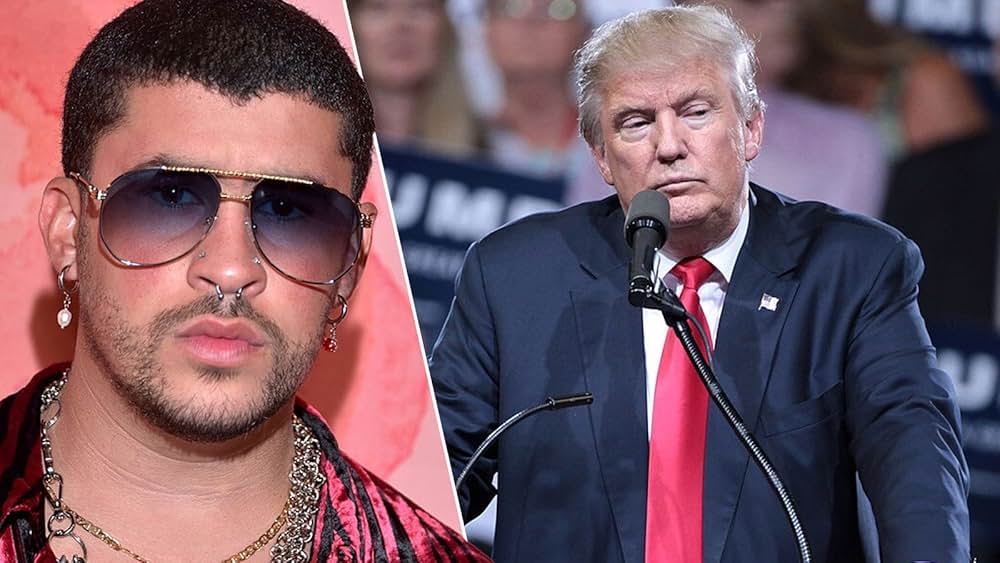
Trump’s Critique of the 2026 Super Bowl Halftime Show
You read about a sharp public reaction from the former president that centered on language, patriotism, and media framing. His posts and comments pushed the dispute from Levi’s Stadium into national culture-war conversations.
Public Comments and Social Media Posts
Trump posted multiple messages on Truth Social after the halftime show at Super Bowl LX in Santa Clara.
He called the performance “absolutely terrible” and said “nobody understands a word this guy is saying,” focusing on Bad Bunny’s largely Spanish-language set.
His language framed the show as disrespectful to American standards and framed performers as out of step with his supporters.
He also described the show as “an affront to the Greatness of America” and a “slap in the face,” phrases that echo his MAGA rhetoric.
Those posts reached millions through resharing and mainstream reporting, turning entertainment criticism into political messaging.
That amplified reaction led rival commentary and fact-checks across major outlets.
Key Reasons for the Criticism
You can trace the criticism to three clear drivers: language, identity signaling, and political posture.
Trump highlighted the Spanish lyrics as evidence the performance didn’t represent his idea of American culture.
He tied the halftime choice to broader worries about immigration and cultural change, themes he’s emphasized throughout his campaigns.
The presence of a headline act who has publicly criticized immigration enforcement sharpened the response.
Bad Bunny’s prior “ICE out” remarks and celebration of Latino heritage gave Trump tangible talking points.
That combination—language, political stance, and a high-profile platform at Super Bowl LX—explains why the reaction escalated beyond typical celebrity critique.
The Fake News Media Angle
Trump framed mainstream coverage of his comments as biased and accused outlets of mischaracterizing his intent.
You’ll see him call critical reporting “fake news” and argue that media amplified the halftime show’s positives while downplaying his concerns.
This complaint fits his long-running argument that outlets favor cultural elites over his base.
By labeling critical coverage as dishonest, he redirected the debate from the halftime content to media credibility.
That tactic encouraged supporters to distrust reports that praised the NFL’s selection and spotlighted performers’ cultural messages.
It also ensured the story stayed political, not just about entertainment choices at Levi’s Stadium.
Bad Bunny’s Performance and Its Cultural Impact
Bad Bunny, Benito Antonio Martínez Ocasio, used the Super Bowl platform to center Puerto Rican identity, Spanish-language music, and bold staging choices that highlighted collaboration and cultural pride. The set mixed celebratory spectacle with pointed moments that reached mainstream viewers and drew sharp political responses.
Highlights of the Halftime Show
You saw a 13-minute set that blended high-energy reggaeton moments with quieter, symbolic scenes. Bad Bunny opened with driving rhythms and rapid costume changes, then shifted to a sequence that staged a real wedding on the field — a theatrical choice that framed family and community as central motifs.
He held a football reading “Together, We Are America” and delivered the line “God bless America” in English before saying in Spanish, “We’re still here.” That bilingual gesture punctured expectations for a Super Bowl audience and underlined the show’s dual address to U.S. and Latin American viewers.
Musically, the set pulled from Bad Bunny’s catalog and contemporary Latin hits, alternating big production numbers with intimate vocal moments. The staging, choreography, and the use of Spanish lyrics made language a visible element of the creative statement.
Puerto Rican and Latin Representation
You witnessed a performance that foregrounded Puerto Rican culture through imagery, musical choices, and explicit references. Bad Bunny referenced his island roots across the set design and song selection, turning the halftime stage into a showcase for Puerto Rican identity.
The largely Spanish-language performance emphasized the reach of Latin music in the U.S. market and the normalization of non-English headliners at major national broadcasts. For many viewers, it reinforced that mainstream events can center Latinx voices without translation.
This representation also carried political weight: Bad Bunny has previously criticized U.S. immigration policy and used award stages to say “ICE out,” and the Super Bowl moment continued that pattern of artist-as-communicator. The show’s message resonated for Spanish-speaking viewers while prompting debate among audiences unused to such overt cultural framing.
Special Guests and Collaborations
You saw star cameos that broadened the set’s cultural pull. Lady Gaga and Ricky Martin joined the performance, lending cross-genre star power and signaling intergenerational Latino and pop connectivity. Their appearances linked Bad Bunny to both mainstream pop and established Latin icons.
Other collaborators connected the halftime show to contemporary Latin trap and reggaeton scenes. Names like Karol G and Young Miko have been central to recent Latin music trends, and Cardi B’s previous Super Bowl and pop culture presence made her a logical associative mention in coverage of the event.
Celebrities in attendance — including Jessica Alba and Pedro Pascal — and Grammy-winning peers in the industry amplified the show’s visibility. Those associations helped the set feel both of-the-moment and anchored in broader entertainment networks.
Audience and Critical Reactions
You encountered a split between enthusiastic celebration and sharp criticism. Many critics and viewers praised the show as “a kaleidoscopic blast of merriment,” celebrating the cultural specificity and high production values that showcased Latin music on a massive stage.
At the same time, some public figures pushed back. Former President Donald Trump posted a denunciation on Truth Social calling the performance “absolutely terrible” and “a slap in the face,” arguing that Spanish-language content alienated some viewers. That criticism sparked debate about language, national identity, and expectations for cultural representation at major national events.
Social media trended with clips, wedding moments, and bilingual chants, while review pieces analyzed the significance of a mainly Spanish set at the Super Bowl. For many viewers, the performance marked an inflection point for Latin artists’ presence in mainstream U.S. broadcast events.
Political and Cultural Backlash
President Trump’s public criticism framed the halftime show as a cultural provocation, and reactions ranged from organized conservative outrage to debates about language and immigration. You’ll see who pushed back, which prior fights resurfaced, and how media framing shaped the story.
Conservative Reactions and the All-American Halftime Show
Several conservative figures and groups cast the performance as unpatriotic. You likely saw former President Trump call it “absolutely terrible” and a “slap in the face” on social platforms, a line echoed by commentators aligned with movements like Turning Point USA. Country artists and right-leaning entertainers also entered the conversation: parallels were drawn to past halftime controversies involving country acts and calls for a return to a more “All-American” sound.
Organized conservative backlash amplified through cable shows, social posts, and activist networks. That push emphasized traditional symbols and English-language performances, and it pressured advertisers and league officials to respond quickly. You should note how coordinated messaging from activists and some performers steered the story toward cultural identity and nationalism.
Immigration Themes and Prior Controversies
The halftime show’s celebration of Latino culture prompted discussions tied to immigration policy and enforcement. Critics connected the performance’s themes of Latino pride to broader debates over immigration crackdown proposals and agencies like ICE, arguing cultural prominence shouldn’t translate into political validation.
You’ll also find this moment recalled earlier controversies where music events ignited policy fights. The criticism moved beyond taste into territory about belonging and who gets visibility on national stages. That framing made the halftime show a proxy for long-running tensions over policy, identity, and which communities get to define American culture.
Language Debate and Media Narratives
Language became a focal point when critics said “nobody understands a word” of a largely Spanish set. That line pushed a wedge into media narratives: some outlets treated it as a cultural disconnect, others framed it as evidence of exclusionary attitudes. Coverage split along ideological lines, influencing public perception.
You should watch how different platforms labeled the same facts. Conservative outlets emphasized translation and comprehension, while many mainstream and Latino-focused outlets highlighted representation and audience reaction. The clash over language turned into a debate about whose cultural expressions count on national broadcasts and how the media packages that debate for viewers.
Is Pop Culture Critique Now a Presidential Responsibility?
Presidential comments on big cultural moments shape how millions react, fuel media cycles, and can force institutions to respond quickly. Expectation, partisanship, and the sheer scale of events like Super Bowl LX make those reactions consequential.
Pop Culture and Presidential Messaging
When a president criticizes a Super Bowl halftime show, you’re seeing political messaging move into entertainment. A remark about Super Bowl LX or performers like Bad Bunny and Green Day signals values to supporters and opponents alike.
You should note that presidential reactions often serve immediate political goals: energize a base, distract from other news, or frame cultural identity debates. That turns the halftime stage into a proxy for wider battles over language, representation, and national symbols.
You’ll also see institutions adapt. The NFL and producers of the All-American halftime show face pressure to justify bookings and manage sponsors. Their responses—statements, programming changes, or defensive PR—reflect that political comments carry costs beyond opinion.
Impact on Public Discourse
Your daily news feed intensifies when a president weighs in on entertainment. A short tweet about the halftime show can eclipse policy stories for hours and reshape what anchors discuss that evening.
This shifts public attention and can polarize audiences; some viewers view criticism as valid civic engagement, while others see it as performative culture-war posturing.
For communities directly referenced—Latino viewers if the headliner is Bad Bunny, or punk-leaning fans when Green Day is mentioned—the effect is personal. Conversations about cultural belonging, language, and representation become national debates, not niche fandom disputes.
Finally, advertisers and local hosts at Super Bowl LX venues watch closely. You should expect commercial and logistical consequences whenever entertainment becomes political.
The Future of High-Profile Cultural Events
If presidential critique increasingly targets music and sports spectacles, you’ll notice clearer strategy from event organizers. Producers of the All-American halftime show may diversify lineups to avoid predictable backlash.
They’ll also build faster communications plans and legal checks to protect contracts and sponsors.
You should expect artists to weigh political visibility against potential backlash. Some acts might decline Super Bowl offers to avoid becoming political flashpoints. Others will accept the stage precisely to advance causes.
For you as a viewer, that means future halftime shows—whether at Super Bowl LX or later years—will arrive with more pre-game debate, media framing, and calculated responses from politicians and producers alike.
More from Vinyl and Velvet:

Leave a Reply