

Roger Allers, the visionary storyteller who helped bring The Lion King to life and shaped a generation’s understanding of animated epics, has died at the age of 76. His death has prompted an outpouring of tributes from colleagues, fans, and industry leaders who credit him with redefining what studio animation could be. As the film world reflects on his legacy, the breadth of his influence, from cinema screens to the Broadway stage, is coming into sharp focus.
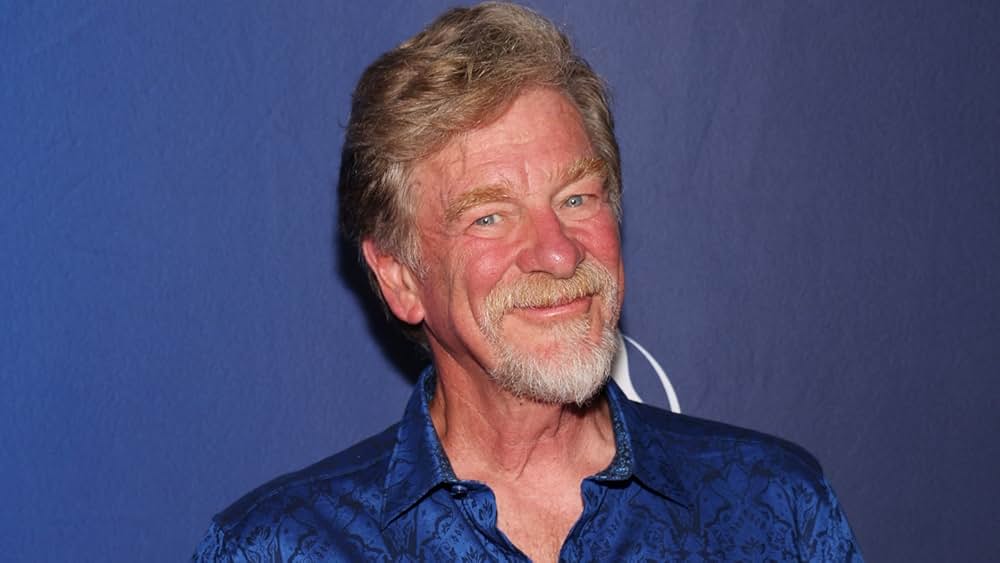
News of a Disney Legend’s Death
News that Roger Allers had died at 76 landed like a shockwave across the animation community, even among those who knew he had stepped back from the front lines of studio production. Reports confirmed that the director, best known as co-director of Disney’s The Lion King, died earlier this week, prompting immediate memorials from collaborators who had worked alongside him during the studio’s creative resurgence in the 1990s. Coverage emphasized that he was not only a filmmaker but a central creative force whose fingerprints are visible on some of the most beloved animated stories of the modern era.
Initial obituaries described Allers as a much-loved animation icon, highlighting his decades as a writer, director, storyboard artist, and playwright who helped define the look and emotional tone of contemporary feature animation. One remembrance framed him as a Disney Veteran whose career stretched from early television work to Oscar-nominated shorts, underscoring how deeply his artistry was woven into the medium’s evolution. The confirmation that he died at Age 76 quickly became the anchor detail in tributes that focused less on the circumstances of his passing and more on the enduring power of the worlds he helped create.
From American Dreamer to Animation Powerhouse
Long before he was entrusted with one of Disney’s crown jewels, Roger Allers was an American artist chasing a dream that did not yet have a clear roadmap. Born in 1949, he grew into a multi-hyphenate creative, building a career as a film director, screenwriter, animator, storyboard artist, and playwright. Biographical accounts describe a steady climb through the animation ranks, with Allers honing his craft on storyboards and character work before he was ever handed the reins of a feature. That breadth of experience, rather than a single breakout moment, positioned him as a trusted voice when studios began betting again on ambitious, hand-drawn storytelling.
Profiles of Roger Allers emphasize that he was an American filmmaker whose versatility made him invaluable inside large studio systems. He was not simply a director parachuted in for marquee projects but someone who had lived every stage of the pipeline, from rough sketches to final dialogue. That background helped him navigate the competing pressures of commercial expectations and artistic ambition, and it also explains why so many colleagues now remember him as a mentor who understood the challenges facing every department on a production.
The Lion King and the Disney Renaissance
Allers’ defining achievement remains his work as co-director of The Lion King, the 1994 feature that became a touchstone of the so-called Disney Animation renaissance. At a time when the studio was experimenting with mythic storytelling and Broadway-style musical structures, Allers helped shape a coming-of-age saga that balanced Shakespearean tragedy with accessible family drama. The film’s blend of sweeping African vistas, stylized character animation, and emotionally charged songs turned it into a global phenomenon, and it has since been recognized as the highest-grossing animated film of its year and a cornerstone of modern studio animation.
Retrospectives on his career note that The Lion King was not just a box office triumph but a creative watershed that proved audiences would embrace original stories not rooted in European fairy tales. The film’s success helped cement the 1990s as a period of renewed artistic confidence for Disney, with Allers’ direction often singled out for its willingness to linger on silence, grief, and moral ambiguity in a medium that had often shied away from such weight. That willingness to trust young viewers with complex emotions is a major reason why the movie still resonates with new generations discovering it for the first time.
Beyond Pride Rock: A Wider Disney Legacy
While The Lion King dominates public memory, Allers’ influence inside Disney stretched across multiple projects that collectively defined the studio’s house style in the late twentieth century. He contributed story and visual development work to films that helped rebuild the company’s reputation for lush, character-driven animation, often stepping into roles that required both narrative discipline and visual imagination. Colleagues recall that he was as comfortable in a story room debating character motivation as he was sketching out a new sequence to solve a pacing problem.
Coverage of his death has highlighted that he worked on a slate of major Disney films, including projects like Beauty and the Beast and Aladdin, which together with Disney’s The Lion King helped define the studio’s modern musical identity. One remembrance described him as a writer-director-storyboard artist and character designer whose fingerprints can be found on everything from comedic sidekicks to the staging of key musical numbers. That breadth of contribution explains why his passing is being felt not only by fans of a single film but by those who grew up on an entire era of Disney storytelling that he helped architect.
Shepherd of the Stage Phenomenon
Allers’ relationship with The Lion King did not end when the film left theaters. He became a crucial creative bridge between the original movie and its stage adaptation, helping to translate cinematic language into theatrical spectacle. As the property moved to Broadway and then around the world, he served as a guardian of its narrative spine, ensuring that the emotional beats and character arcs that had captivated film audiences remained intact even as the story was reimagined with puppetry, choreography, and live music.
Industry tributes have described him as the Director of The Lion King and Shepherd of Its Stage Adaptation, a dual role that underscores how rare it is for a filmmaker to guide a property so successfully across mediums. The stage version has become one of the most successful theatrical productions of all time, introducing the story to audiences who may never have seen the original film. Allers’ involvement helped maintain continuity of tone and theme, reinforcing his reputation as a storyteller who understood both the intimacy of character and the demands of large-scale spectacle.
Tributes from Disney and the Animation Community
In the days since his death, tributes have poured in from across the animation world, with many colleagues emphasizing not only Allers’ artistic achievements but his generosity and humility. Statements from studio leadership framed him as a central architect of the company’s modern identity, crediting his work with helping to restore faith in hand-drawn animation at a time when its future was uncertain. Former collaborators have shared memories of a director who listened carefully, encouraged experimentation, and treated even the most junior artists as creative partners.
The Walt Disney Company CEO Robert Iger captured that sentiment in a remembrance that called Disney CEO Bob’s colleague Roger Allers a creative visionary whose contributions to Disney will live on for generations. Another tribute noted that his work helped define an era of animation that continues to inspire audiences around the world, describing him as a key figure in the Disney Animation renaissance. Those phrases, echoed across memorials, underline how fully his legacy has been woven into the broader story of the medium’s revival.
Family, Colleagues, and a Life Beyond the Camera
Amid the industry accolades, there has also been a quieter focus on Allers’ life away from the studio lot. Friends and family have remembered him as a devoted husband and father who balanced the demands of blockbuster filmmaking with a commitment to his home life. Accounts of his final years describe him spending more time with his family, reflecting on a career that had taken him from early animation gigs to global premieres and award ceremonies, yet always returning to the simple joy of drawing and storytelling.
One remembrance noted that the director and writer Director and Roger Allers is survived by his wife and two children, Leah and Aidan, who were often by his side at key milestones in his career. Another report emphasized that he died with his family nearby, a detail that has resonated with fans who see in his films a deep respect for familial bonds and generational responsibility. Those personal notes have helped humanize a figure who, for many, existed primarily as a name in the credits of a beloved childhood film.
How Fans Are Mourning the Lion King Co-Director
For audiences who grew up with Simba, Mufasa, and the opening strains of “Circle of Life,” the news of Allers’ death has felt intensely personal. Social media feeds quickly filled with stories of first theatrical screenings, worn-out VHS tapes, and family sing-alongs that became annual rituals. Many fans have described revisiting the film in the wake of his passing, noticing anew the visual motifs and narrative choices that once washed over them as children but now stand out as deliberate, carefully crafted decisions by a director who trusted his audience.
Coverage of the public response has highlighted how Roger Allers, The Lion King co-director, is being remembered not only by industry insiders but by viewers who credit his work with shaping their emotional vocabulary. Some have pointed to specific scenes, such as the stampede or Simba’s return to Pride Rock, as formative cinematic experiences that taught them about grief, courage, and responsibility. That kind of response underscores the depth of his impact: he did not simply entertain audiences, he helped them process some of life’s most difficult transitions through the safety of animated storytelling.
A Legacy That Extends Far Beyond One Film
As the initial shock of his death gives way to a broader assessment of his career, a consensus is emerging that Allers’ legacy cannot be contained within a single title, no matter how iconic. He was part of a generation of artists who proved that animated features could carry the same emotional and thematic weight as live-action dramas, and his work continues to influence both studio tentpoles and independent projects. Younger filmmakers frequently cite The Lion King as a gateway that led them to study story structure, character arcs, and visual symbolism, often discovering Allers’ name only later as they dug into the film’s production history.
Obituaries have stressed that Roger Al was not just a director but a writer, storyboard artist, character designer, and animator whose influence can be traced through multiple generations of artists. One remembrance described him as a genuine legend whose guidance helped younger colleagues find their own voices rather than simply imitate his. That ethos is reflected in the diversity of animated storytelling today, from intimate indie features to sprawling studio franchises, all of which owe something to the creative risks he helped normalize.
The Lion King’s Enduring Cultural Footprint
The scale of the reaction to Allers’ death is also a measure of The Lion King’s ongoing cultural presence. More than three decades after its release, the film remains a fixture in global popular culture, with its characters, songs, and imagery instantly recognizable across generations. The story of a young lion confronting his destiny has been retold through sequels, television spin-offs, a photorealistic remake, and countless school productions, each iteration reinforcing the original film’s status as a modern myth.
That staying power is evident in how often tributes to Allers reference the film simply by name, confident that readers will understand the shorthand. The property’s reach is reflected in the prominence of The Lion King in search results, box office histories, and lists of the most influential animated films. As fans revisit the movie in his honor, they are also revisiting the work of a director whose choices helped transform a studio project into a cultural touchstone that continues to shape how audiences think about family, loss, and the cyclical nature of life.
More from Vinyl and Velvet:

Leave a Reply