

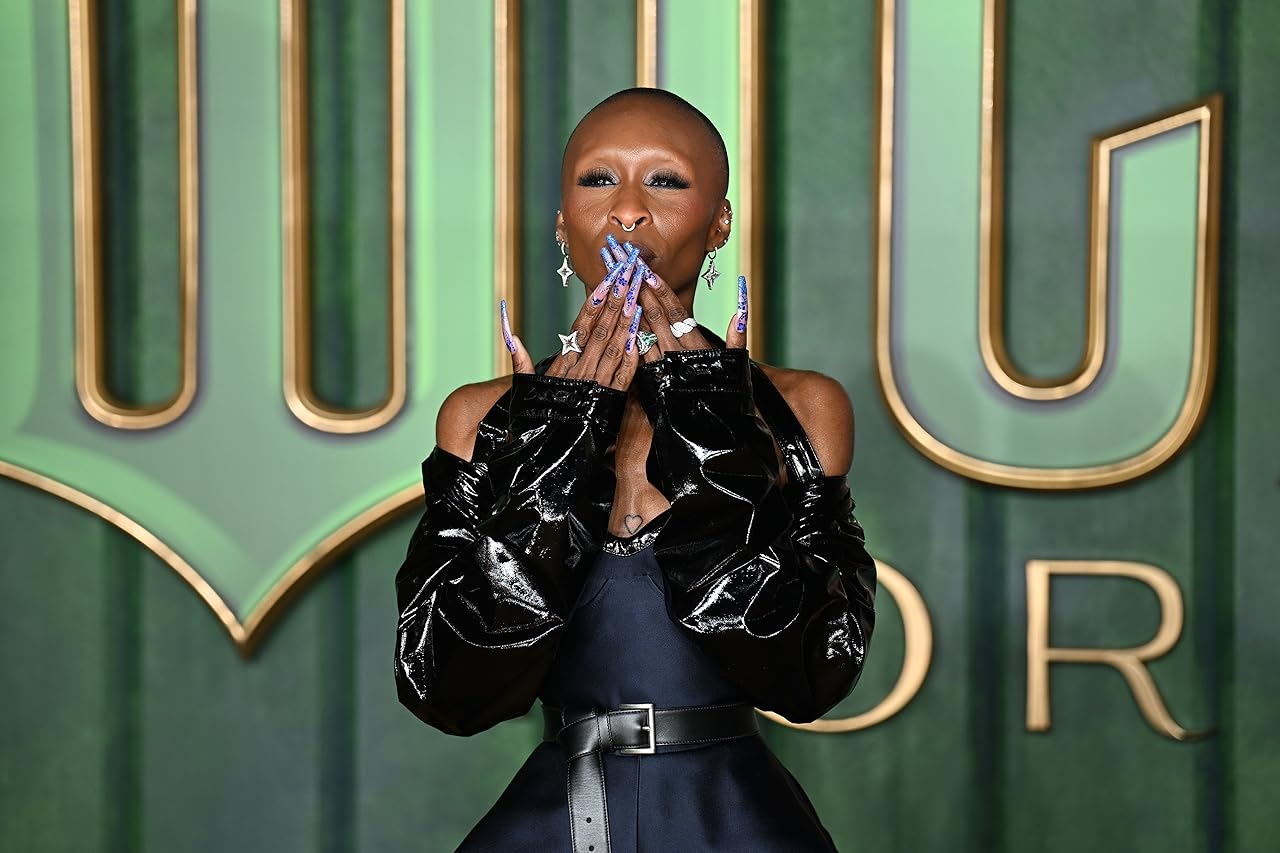
Cynthia Erivo managed to be one of the most talked‑about names at the 2026 Golden Globes without even setting foot inside the ballroom. After she skipped the ceremony despite a history‑making nomination, fans and fellow actors started playfully calling her out online, turning her absence into its own awards‑season subplot. The teasing has been lighthearted, but it also highlights how central Erivo has become to conversations about representation, star power and work commitments at the height of Hollywood’s calendar.
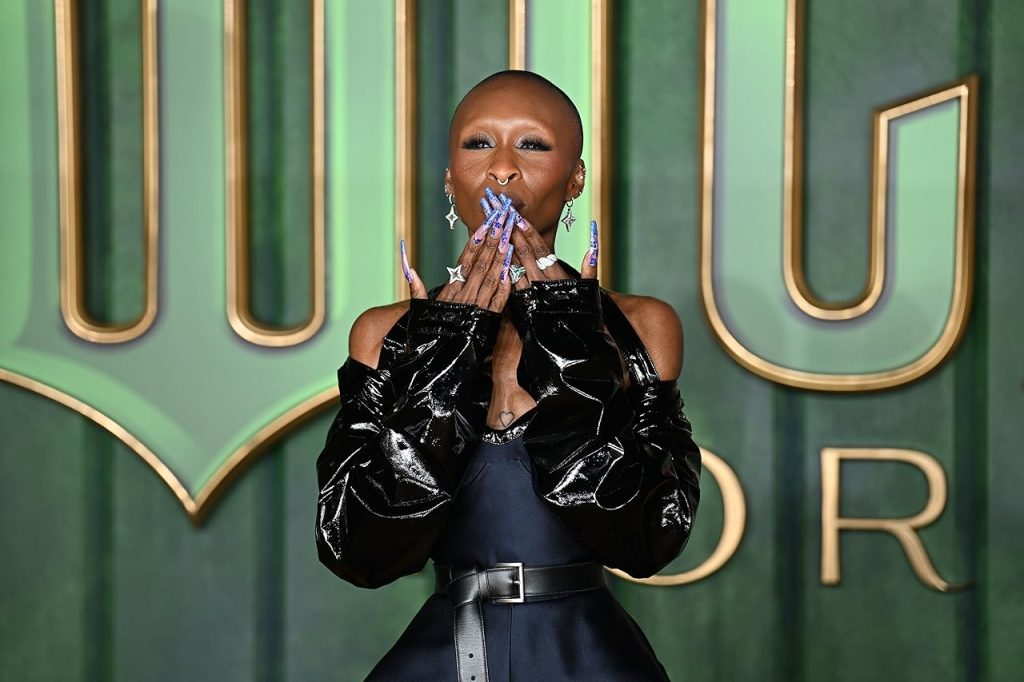
Why Cynthia Erivo skipped a history‑making night
For Cynthia Erivo, missing the Golden Globes was not a snub of the event but a scheduling collision that even a major awards show could not fix. The performer is the lead of Wicked, For Good, and her work on the film helped earn her a groundbreaking nomination for Best Actress in a Musical or Comedy. That nod was described as history making, underscoring how rare it remains for a Black British actor to be recognized in that category at the 2026 Golden Globes. Yet even with that milestone, Erivo’s team signaled early that she would not be on the red carpet.
The reason was rooted in theater, not film. Erivo is currently starring in the West End production of Dracula, with performances in London locking her into a demanding schedule as the show moves into previews on February 4. Industry reports noted that the Wicked, For Good star simply could not break away from rehearsals and performances long enough to fly to Los Angeles and back without disrupting the production. Additional coverage stressed that Cynthia Erivo would miss the Golden Globe Awards despite the historic nature of her nomination because she was committed to Dracula in London, a choice that reflects how stage work can still take precedence even at the height of film awards season.
The playful “call‑outs” and what fans really meant
Once viewers realized Erivo was not walking the carpet, social media filled the gap, turning her absence into a running joke rather than a controversy. Commenters referenced her nomination and her dual identity as a film and theater star, with some joking that she was “grounded” in the West End while her peers enjoyed the champagne. Coverage of the online reaction noted that fans were jokingly calling out Erivo for missing the party, framing it as affectionate ribbing rather than genuine criticism. The tone echoed the way awards‑season diehards often treat beloved performers as if they are part of an ongoing group chat, where a no‑show demands at least a teasing message.
Those jokes landed in a broader context where the Globes themselves were being dissected in real time. Host Nikki Glaser opened the show with a monologue that took sharp jabs at Leonardo DiCaprio and other fixtures of awards‑night culture, while later segments highlighted viral bits that quickly circulated online. A round‑up of the most memorable moments from the ceremony pointed to jokes about Jumanji, Next Level and a quip aimed at Leo, reinforcing that humor was the dominant language of the night. Against that backdrop, the gentle ribbing of Erivo fit neatly into a ceremony defined by punchlines, where even an absent nominee became part of the comedy.
What Erivo’s absence says about the evolving Golden Globes
Erivo’s decision to prioritize Dracula also underscored how the Globes are adjusting to a landscape where prestige is spread across film, television and live performance. While she was working in the West End, the ceremony itself was busy celebrating a new slate of winners, including Rose Byrne, who was named best lead female actor in a comedy for playing a mother spiralling in the anxiety‑inducing indie If I Had Le. That kind of recognition for smaller projects sits alongside blockbuster‑adjacent titles like Wicked, For Good, creating a crowded field where even high‑profile nominees cannot always be physically present. The fact that Erivo’s absence became a talking point, rather than a quiet footnote, shows how central she has become to the awards‑season narrative.
Industry analysis also emphasized that Erivo’s no‑show was not a surprise to insiders. Reports ahead of the ceremony explained that Cynthia Erivo would not attend even though she was nominated, citing confirmation from major industry outlets. Another breakdown of why she was skipping the Golden stressed that the logistics of a quick Los Angeles detour were simply unworkable around her stage commitments. Put together, the reporting paints a picture of a performer in such demand that even a history‑making Golden Globes night had to compete with a major theatrical run, leaving fans to express their disappointment the only way modern audiences know how: with jokes, memes and a very public, very affectionate call‑out.
More from Vinyl and Velvet:

Leave a Reply