

You’ve probably seen the wild theories swirling online about Charlie Kirk’s death, and it’s easy to lose track of the fact that Tyler Robinson’s criminal trial is still moving through the courts. Focus on the legal process: the accused’s trial is ongoing, and that reality matters more than the viral speculation. The noise of conspiracy makes it harder to keep the case’s timeline, evidence, and courtroom procedures in view.
You’ll follow how conspiracies grabbed the spotlight, how Erika Kirk pushed back, and how a public feud with figures like Candace Owens changed the conversation. Expect a clear look at what’s actually unfolding in court and why the legal milestones should shape your understanding more than viral claims.
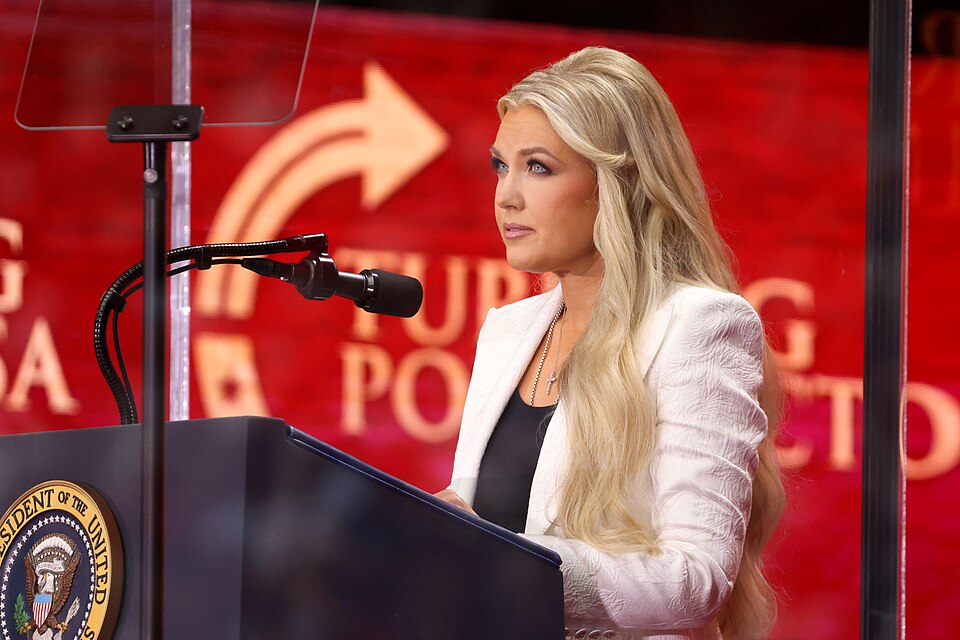
How Conspiracy Theories Overtook the Charlie Kirk Case
The public conversation shifted from facts about the shooting and the legal process to loud, competing narratives about motive, responsibility, and who benefits. Social media amplified unverified claims, and prominent voices pushed those claims into mainstream attention.
Outrage and Online Frenzy After Charlie Kirk’s Death
You saw immediate outrage when Charlie Kirk was killed, and that outrage turned to speculation within hours. Images, partial details, and conflicting witness accounts circulated on X and Instagram, creating gaps that conspiracies filled fast.
Erika Kirk’s public statements and photos of the funeral made the event feel public and personal at once. That visibility intensified emotions and drew people who trade in suspicion rather than verified reporting.
Threats aimed at Erika and her team followed, which shifted attention away from Tyler Robinson’s pending trial and toward attacks on individuals.
The frenzy leaned on familiar narratives—assassination plots, “deep state” involvement, and foreign actors—because they’re immediately compelling and easy to copy. Those claims required little evidence to spread.
The Spread of Theories by Right-Wing Figures
You noticed right-wing podcasters and commentators repackaged speculation as analysis. High-profile hosts and influencers amplified theories that linked Charlie Kirk’s death to political enemies, sometimes repeating claims after minimal vetting.
Candace Owens and other conservative voices debated aspects of the case on podcasts and social feeds, which pushed those ideas to wide audiences. That amplified reach made casual rumors feel authoritative to many listeners.
Turning Point USA-related channels and sympathetic media outlets echoed and sometimes monetized these conversations, which blurred lines between commentary and misinformation.
When prominent figures repeat unverified claims, you see ordinary users adopt them as facts. That pattern slowed attention to court updates and forensic findings, because sensational claims held the public’s attention.
Virality and Social Media Influence
You can trace how a single unverified post becomes a trending narrative across platforms. Algorithms prioritize engagement, so shocking claims about Charlie Kirk received disproportionate visibility across X, TikTok, and Instagram.
Short-form videos and clips of pundit remarks spread rapidly and were often divorced from context. Those formats reward emotion and certainty, which helped conspiracy threads metastasize faster than measured reporting.
Misinformation ecosystems also used recycled tropes—“deep state,” foreign plots, and targeted assassinations—because those ideas already have receptive audiences.
The pace of virality outstripped newsrooms and investigators, creating a perception that the story’s “truth” lived on social feeds rather than in court filings or official statements.
Financial Incentives in Spreading Conspiracies
You should note money shaped much of the noise. Some creators monetized speculation by selling memberships, running ads, or directing followers to paid podcasts that dissected alleged conspiracies about Charlie Kirk.
Erika Kirk publicly called out profiteering from false claims, describing threats and harassment her team received. That pushed attention to how bad actors can earn from amplified lies while victims face real harms.
Commercial incentives also encouraged repeat amplification: controversy retains viewers, and controversy sells subscriptions and merchandise.
When profit motivates content, accuracy declines. That dynamic helped conspiracy theorists keep the narrative alive even as authorities worked on the legal case against Tyler Robinson.
Erika Kirk’s Response and the Family’s Struggle
Erika has publicly addressed rumors, defended the organizations tied to Charlie, managed intense media scrutiny, and responded to direct safety threats aimed at her family and staff. You’ll see how she pushes back, protects Turning Point USA and The Charlie Kirk Show team, copes with emotional strain, and handles ongoing security concerns.
Erika Kirk’s Media Pushback Against Speculation
Erika has repeatedly pushed back when outlets and social channels spread conspiracy theories about Charlie’s death. You’ve seen her ask for restraint, call for “graces” for witnesses, and publicly reject speculation that distracts from the legal process. She frames her responses around faith and forgiveness, telling interviewers she won’t let rumors define her actions.
You can find several of her longer interviews—where she stresses forgiveness and refuses to feed conspiracies—on mainstream outlets that reported her comments in the weeks after the killing. She also declines to comment on prosecutorial decisions like seeking the death penalty, saying she wants the government to decide while she protects her own conscience and family.
Defending TPUSA and The Charlie Kirk Show Staff
You’ll notice Erika speaks as CEO of Turning Point USA and as a defender of the staff that worked with Charlie. She has emphasized continuity, asking followers and the press to respect employees who are processing trauma while keeping programs running. Her statements aim to shield staff from blame and conspiracy-driven attacks that can follow high-profile political organizations.
When interviews mention fallout for The Charlie Kirk Show, Erika positions leadership changes and public statements as steps to stabilize operations. She routinely highlights the work ethic and intent of staff, pushing back against narratives that try to link internal personnel to the assassination or to suggest culpability without evidence.
The Emotional Toll of Public Scrutiny
Public attention has affected the family in concrete ways you can understand: private grief turned into repeated public explanations for children’s questions, managing social media exposure, and defending family privacy against intrusive content. Erika has described reliving the event through online speculation and fake images, which forces constant emotional labor.
You’ll hear that the family’s daily routines shifted—protecting children, limiting phone use, and avoiding certain media—to reduce retraumatization. That emotional labor extends to staff and close friends who were present during the attack and who must repeatedly recount traumatic details for investigators or the press.
Safety Concerns and Dealing with Threats
Erika has said she doesn’t live in fear, but she also acknowledges real threats: death threats, kidnapping threats, and fake images circulating on social platforms. You should treat those claims as specific security issues she raised publicly, not generic anxieties. She and Turning Point have increased protective measures and advised caution about sharing children’s images online.
You’ll see her describe practical steps: limiting public movements, insulating phones, vetting communications, and coordinating with law enforcement. Those actions aim to keep the family and staff safe while still allowing Erika to lead public-facing activities on Fox News and other platforms when necessary.
The Erika Kirk and Candace Owens Feud
Erika Kirk pushed back publicly against online claims about her husband’s death while Candace Owens amplified doubts and named possible betrayals. The conflict moved from social media posts to a private meeting and has reshaped conversations inside right‑wing media circles.
Candace Owens’ High-Profile Claims
You’ve likely seen Candace Owens question the official narrative around Charlie Kirk’s assassination, suggesting foreign actors or betrayal by close associates could be involved. Owens framed those ideas on podcasts and social platforms, repeating speculation that went beyond publicly released evidence and prompting backlash for promoting unverified theories.
Those claims drew attention because Charlie Kirk founded Turning Point USA and had a large conservative audience; when Owens cast suspicion internally, it stoked drama inside TPUSA circles. Some commentators, including conservative podcasters and writers, either echoed Owens or pushed back — creating a split between skepticism and those calling for restraint.
The Private Summit: What Was Discussed
You should know Erika Kirk agreed to a private, in‑person conversation with Owens to try to curb the public feud. Both described the meeting as “productive,” and they agreed to pause public commentary afterward, though neither produced a full transcript or joint statement of specifics.
Reports indicate the discussion focused on conspiracy narratives, the pain caused by online speculation, and boundaries around public commentary about the investigation. Erika sought retractions and for Owens to stop amplifying unverified claims; Owens maintained skepticism about elements of the case while agreeing to temper public remarks for the moment.
Reactions from the Right-Wing Media Ecosystem
You saw immediate and partisan reactions across conservative outlets after the clash and meeting. Fox News personalities and commentators discussed the dispute; some hosts criticized Owens for fueling conspiracies, while others defended her freewheeling skepticism. Figures like Tucker Carlson’s former allies and various podcasters weighed in, deepening the debate.
Independent conservative writers and influencers — from Bari Weiss–aligned commentators to creators like Allie Beth Stuckey and others across social platforms — split between supporting Erika’s plea for dignity and backing Owens’ right to probe. The feud highlighted tensions inside TPUSA’s network and among conspiracy theorists who thrived on alternative narratives.
Tyler Robinson’s Ongoing Trial and the Push for Justice
The case remains active in Utah’s Fourth District Court, with pretrial motions and evidentiary hearings shaping what evidence reaches a jury. You need to know who’s involved, which legal questions are live, and how media attention has affected courtroom access.
Details on the Murder Investigation
Investigators say the shooting that killed Charlie Kirk happened during a Utah Valley University event on Sept. 10. Law enforcement collected physical evidence from the scene and interviewed witnesses, including members of Kirk’s security team who reported threats and doxxing afterward. Prosecutors allege motive tied to the defendant’s attitudes toward Kirk’s political speech; that allegation informs the aggravated murder charge and potential capital exposure.
You’ll see filings describing a timeline of surveillance, witness statements, and forensic work. The prosecution has identified specific pieces of evidence it intends to use at the preliminary hearing set for May, while the defense disputes parts of the chain of custody and the context of some witness testimony.
Focusing Back on the Legal Proceedings
Your attention should be on several active motions: the defense’s effort to disqualify the Utah County Attorney’s Office over a claimed conflict involving a deputy prosecutor’s adult child, and requests to limit or ban cameras in the courtroom. The court has held closed portions of hearings to protect identities and has continued evidentiary hearings into early February.
The defense argues the alleged conflict undermines the office’s ability to prosecute fairly; prosecutors counter that the statute cited doesn’t authorize the relief sought and warn of delay. Judge Tony Graf has scheduled a multi-day preliminary hearing in May while resolving these threshold disputes. You’ll want to watch filings and rulings because they determine what evidence, witnesses, and potentially which office prosecutes the case.
The Role of Media Coverage in the Trial
Media attention has been intense and partisan. Outlets from Fox News to CBS News have covered courtroom scenes and filings, and commentators such as Kash Patel have amplified elements of the story on social platforms. That coverage has driven public commentary and pressure on the court from parties like Erika Kirk, who has urged open proceedings.
You should expect the court to balance transparency with witness safety; recent filings cite threats to prosecutors and witnesses as reasons for limited access during sensitive testimony. How outlets frame pretrial developments can affect public perception, so follow official court documents for the clearest account rather than relying solely on commentary or social posts.
More from Vinyl and Velvet:

Leave a Reply