

You follow the thread of a case that sat cold for nearly three decades and feel the moment the silence breaks. Investigators used updated DNA methods and persistent detective work to connect evidence from 1994 to a living suspect, bringing clarity to a family that had waited years for answers. This breakthrough finally ties the suburban mother’s murder to a suspect through modern forensic DNA techniques, ending 29 years of uncertainty.
You’ll learn how the victim’s story unfolded, why the case stalled for so long, and which scientific advances reopened the investigation. The next sections unpack Phyllis Bailer’s case details and the specific forensic tools that made justice possible, showing how old evidence gained new power.
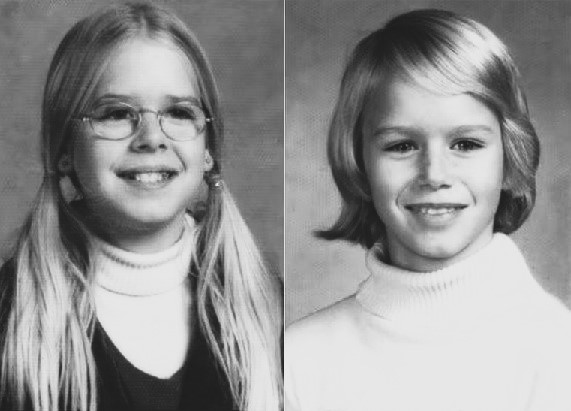
The Cold Case: Phyllis Bailer’s Story
Phyllis Bailer left Indianapolis for Bluffton on July 7, 1972, with her 3-year-old daughter. Their car disappeared from the highway, and investigators later found both of them beside the road; Bailer had been sexually assaulted and shot.
The Day of the Murder
Bailer drove north on I-69 toward her mother’s home. Her car was found abandoned; later that morning patrols discovered Bailer and her child in a ditch in Allen County. The child was alive and physically unharmed. Bailer, 26 years old, had suffered a sexual assault and fatal gunshot wounds.
Police recovered physical evidence at the scene, including biological material on Bailer’s clothing. For decades that evidence yielded only a partial DNA profile, which removed the primary suspect but did not identify the killer. Investigators cataloged witness statements and physical leads that never produced a charge.
Early Investigation Challenges
Investigators worked with limited forensic tools available in 1972. DNA testing did not exist, and fingerprint databases were less comprehensive. Those technological limits meant physical evidence could not be fully analyzed at the time.
The case also faced jurisdictional complexity: the crash and bodies were found near county lines, requiring coordination between Grant and Allen County officers. Leads grew cold as time passed and witnesses’ memories faded. A partial DNA profile developed later eliminated the main suspect, but investigators lacked the genealogical methods that ultimately identified the assailant decades later.
Impact on Family and Community
Bailer’s family endured fifty-plus years of unresolved grief. Her daughter, found at age three beside her mother, became a key reason the case remained active in public memory. Family members pushed law enforcement to keep records and evidence preserved.
The case shaped local true crime conversations in northeast Indiana and put pressure on the Allen County Prosecutor’s Office to pursue new techniques. When forensic genetic genealogy produced a strong lead, officials said they would have sought charges if the identified suspect were alive. The verdict that justice could not proceed because the suspect died in 1985 left community members with a complex mix of closure and frustration.
Cracking the Case with Groundbreaking Forensic Science
Investigators combined degraded DNA analysis, forensic genealogy, and traditional detective work to move a stalled investigation forward. New techniques produced a usable profile and led detectives to a likely family line that contained the suspect.
DNA Breakthrough and Genetic Genealogy
Laboratory scientists recovered a partial DNA profile from preserved evidence that had been stored since the original 1997 investigation. The sample showed enough markers for kinship analysis but not a full match in criminal databases, so analysts used forensic genetic genealogy to search public and commercial family-tree databases. That process compared the partial profile to distant relatives and produced several plausible ancestral lines.
A forensic genealogy company worked with the Indiana State Police to build family trees and narrow candidates. Investigators cross-checked ages, locations, and known movements until a small set of descendants pointed to one likely male relative. The team then collected discarded items for confirmatory testing, converting the genealogy lead into a direct DNA comparison.
Identifying the Suspect: Fred Allen Lienemann
The genealogical trail and confirmatory testing identified Fred Allen Lienemann as the person whose DNA matched the crime-scene profile. Lienemann’s genetic connection to the family-line matches from the genealogy search aligned with physical evidence and historical records, including residence near the victim’s suburb in the late 1990s.
Police used familial DNA testing techniques to tie the partial profile to Lienemann, then obtained a court-authorized sample from discarded material to confirm identity. Investigators flagged his movements and interactions in 1997, and those investigative details fit the timeline and opportunity for the murder. Authorities emphasized that forensic genealogy provided the investigative lead, and traditional police work supplied the corroborating facts.
Bringing Posthumous Justice and Closure
Lienemann died before charges could be filed, so the case moved toward posthumous resolution rather than trial. Prosecutors and the Indiana State Police presented DNA match documentation and genealogical reports to the victim’s family and to a review panel to close investigative gaps. The confirmation allowed law enforcement to update records and issue a formal finding identifying Lienemann as the perpetrator.
Family members received detailed briefings about the genetic methods used and were given copies of the lab reports. Investigators also archived the genetic genealogy report and the verified DNA profile so future reviews or related cases can reference the validated evidence. The department noted that combining forensic genealogy with partial DNA recovery can solve long-cold cases even when the suspect is deceased.
More from Vinyl and Velvet:

Leave a Reply