

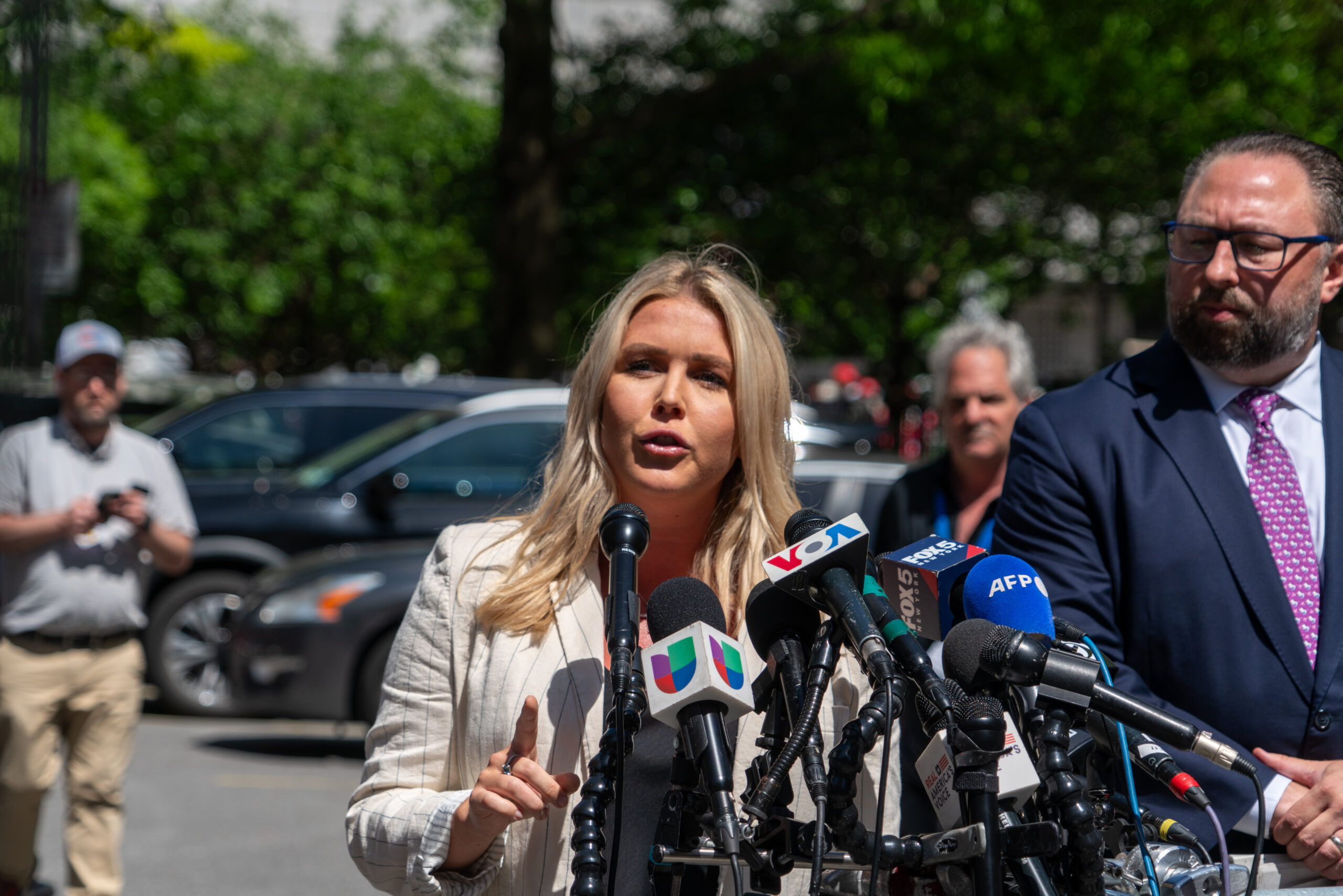
CNN host Kaitlan Collins is used to being on the receiving end of hostile comments from Donald Trump and tense pushback from his allies, not warm gestures. So when she recently described a moment when White House press secretary Karoline Leavitt quietly went to bat for her during a security flare-up in Saudi Arabia, it stood out. The story pulled back the curtain on how, even inside one of the most combative relationships in American politics, professional respect can still surface at unexpected moments.
Collins, often cast as one of Trump’s toughest critics on television, recounted the incident as a rare act of kindness in a job that usually rewards sharp elbows. Her praise for Leavitt did not erase the friction that defines their day-to-day exchanges, but it did underscore how the basic principle of press access can briefly unite two people who usually meet on opposite sides of the podium.
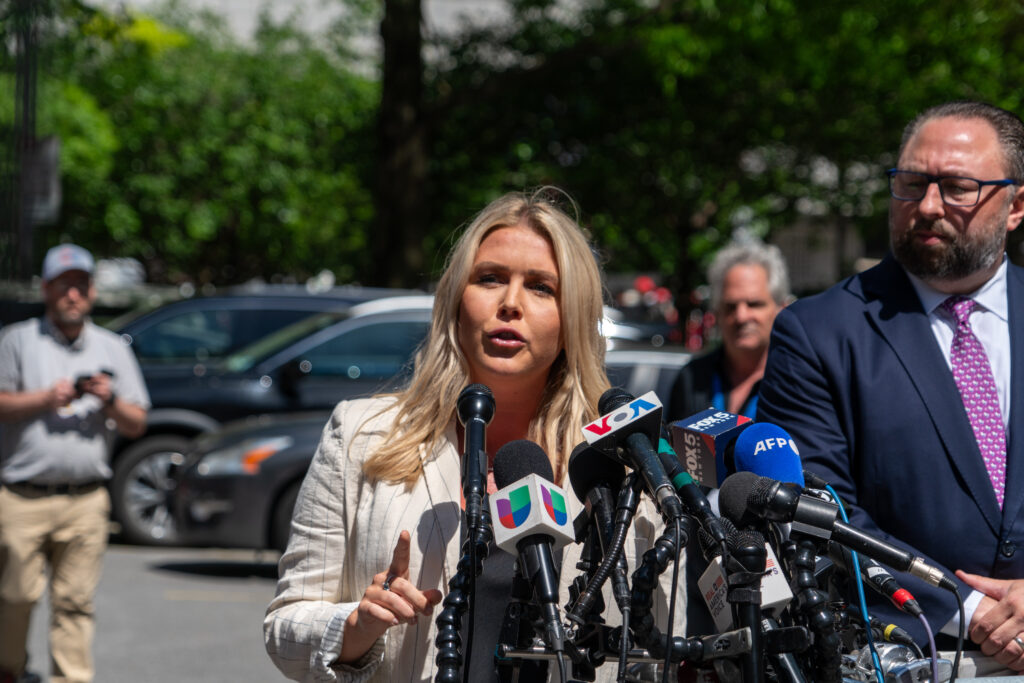
The Saudi standoff that changed the tone
The turning point came on a presidential trip to Saudi Arabia, when security guards tried to block Kaitlan Collins from entering an event with the rest of the American press. According to Collins, Saudi guards suddenly questioned her access and treated her as if she did not belong with the U.S. media pool, a confrontation that quickly escalated into a standoff over who would be allowed inside. Coverage of the incident describes how the situation grew tense enough that it had to be elevated to Karoline Leavitt, who was traveling with the president and overseeing media logistics for the White House.
Collins recalled pushing back, telling the guards, “That is not how this works. I go into the U.S. press,” only to be told, “Well, you are not coming in,” as the clock ticked toward a scheduled appearance in the Oval Office on Feb. that had been tightly choreographed for television. She later said that once the matter reached Leavitt, the press secretary intervened and insisted that “Kaitlan is coming in with the rest of the U.S. press,” a decision that ended the dispute and allowed Collins to walk in with the full pool. The account of that exchange, including Collins’ description of the Saudi guards who “freaked out” at her presence, has been detailed in reports on the Saudi security standoff and in Collins’ own retelling of the confrontation.
A rare moment of alignment between frequent combatants
What made the story resonate was not just the travel drama, but who was involved. Collins has been labeled one of Trump’s “worst” or most bothersome reporters, a fixture in coverage of his administration and a frequent on-air critic of his claims. On a recent podcast appearance, she walked listeners through her relationship with political figures, including that surprising moment when the White House press secretary stepped in to defend her rights as part of the U.S. press corps. The CNN anchor described it as a “singular” act that cut against the usual pattern of sparring with officials aligned with Trump, and she framed it as a reminder that professional duty can occasionally override partisan instincts.
Collins said that when the confrontation in Saudi Arabia was brought to Karoline Leavitt, the press secretary did not hesitate to back her up even though Collins is a frequent target of Trump’s public attacks. She credited the White House press with insisting that the full American press pool, including her network, be treated as a unit. Collins later told listeners that she tries to be fair, and that in this case fairness meant acknowledging when someone on Trump’s team did the right thing. Her comments echoed reporting that described her as a reporter whom Trump accused of being hostile, yet who still publicly thanked Leavitt for that one moment when access and principle came first.
Tension in the briefing room, respect on the road
None of this means the relationship between Collins and Leavitt has suddenly become cozy. Both women work inside a structure that almost guarantees friction, and Collins herself has said, “There is always a naturally tense relationship between the press and the press secretary.” In the briefing room, Leavitt has clashed with CNN reporters over questions on inflation, accusing one of trying to “push narratives” as she defended the White House line on how rising prices were affecting families who were being told to pare back on Christmas gifts. That exchange, which unfolded in a packed briefing room in Dec., reinforced how sharp the edges can be when Karoline Leavitt fields questions about the economy and other politically loaded topics from CNN reporters and other outlets.
Collins has been open about that tension, explaining on the same podcast that you cannot really escape the built-in conflict between someone paid to defend the administration and someone paid to question it. Yet she still singled out the Saudi incident as a time when Karoline Leavitt put aside any annoyance with her coverage and focused on the broader principle that the U.S. press should be treated as a group. She called it a rare act of kindness from a figure who usually stands on the opposite side of the cameras, an assessment that has been repeated in coverage of her comments about the singular moment of and in write-ups that quoted her saying she wanted to give Leavitt credit where it was due.
More from Vinyl and Velvet:

Leave a Reply