

You see the stakes fast: Christie Brinkley warns that rolling back emissions rules will weaken long-standing protections for air and public health, and that shift could increase toxic pollution exposure for communities across the country. Her concern centers on concrete harms—more mercury and hazardous air pollutants from power plants that scientists link to neurological and developmental damage.
This piece walks through Brinkley’s statement, the public-health implications she highlights, and how those changes fit into a broader dismantling of environmental safeguards under the administration. Expect clear explanations of what the rollback changes and who stands to be affected.
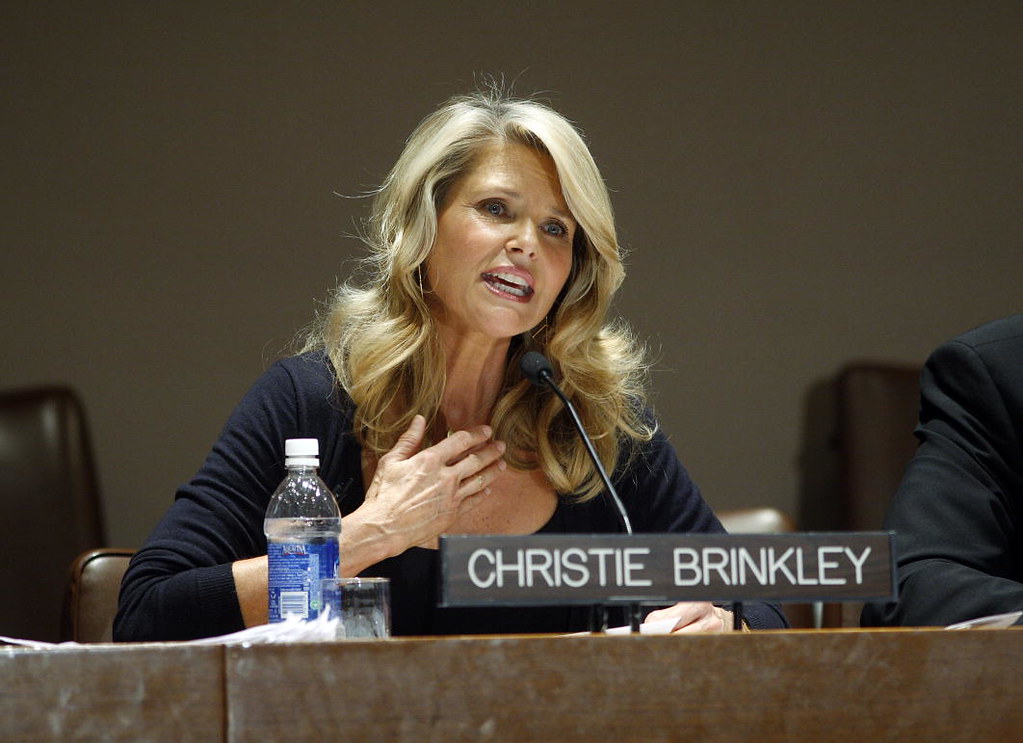
Christie Brinkley’s Warning and the Public Health Fallout
Brinkley says rolling back emissions rules risks undoing decades of safeguards and could increase air and water contamination near fossil-fuel sites. She links policy changes to real health outcomes and urges attention to mercury and coal-fired power plants.
Brinkley’s Criticisms of Trump’s Environmental Rollbacks
Brinkley publicly criticized moves to weaken federal emissions standards, arguing they prioritize short-term industry profits over community health. She pointed to proposals that would relax limits on pollutants from power plants and industry, which she says reverse protections adopted under previous administrations.
Her comments emphasize concrete consequences: more soot, smog, and hazardous particulates in neighborhoods downwind of plants. Brinkley framed the issue as one of accountability — regulators dismantling rules that had reduced premature deaths and hospital visits tied to air pollution.
Potential Impact on Public Health
Health experts link higher emissions to rises in asthma attacks, cardiovascular events, and respiratory infections, especially among children and older adults. Increased particulate matter (PM2.5) and ozone formation can raise emergency room visits and chronic disease burden in affected counties.
Communities near industrial corridors often face disproportionate exposure, compounding existing health disparities. Brinkley highlighted this environmental justice angle, noting that policy rollbacks can exacerbate place-based health risks and strain local healthcare resources.
Concerns About Mercury and Power Plants
Brinkley has voiced specific concern about mercury emissions from coal-fired power plants, which accumulate in fish and pose neurodevelopmental risks to fetuses and young children. Mercury can travel long distances in the atmosphere, making regulatory limits important for nationwide fish safety.
She connected potential regulatory loosening to weaker enforcement of mercury and other toxic emissions, increasing contamination risk in waterways and food chains. Brinkley urged policymakers to maintain stringent controls on power plants to prevent measurable rises in mercury exposure and related public-health harms.
Broad Implications of Trump’s Emissions Rollback
The rollback removes the federal legal basis for regulating emissions from vehicles, power plants and industry, and it reshapes how the government treats carbon dioxide and methane under the Clean Air Act. It invites legal fights and forces states, companies, and investors to reassess compliance, permitting, and long-term decarbonization plans.
2009 Endangerment Finding and Greenhouse Gas Rules
The 2009 endangerment finding concluded that greenhouse gases like carbon dioxide and methane threaten public health and welfare, enabling EPA rules on tailpipe standards and stationary sources. Repealing that finding strips the legal rationale used to justify limits on vehicle emissions and New Source Review requirements under the Clean Air Act.
Without the finding, the EPA can argue it lacks authority to set nationwide greenhouse gas standards, shifting regulatory power to states and tightening the window for federal enforcement. That change affects automakers’ corporate planning, state clean-vehicle programs, and federal fuel economy-linked policies.
Legal experts warn the repeal could be challenged in court because many regulations rely on the 2009 determination. The administrative record and scientific evidence from the original finding remain central in litigation over whether the EPA can lawfully revoke or replace it.
Repeal Effects on Climate Change and Environmental Protection
Removing federal greenhouse gas regulation risks slower reductions in carbon dioxide and methane from power plants and transportation—two of the largest U.S. emission sources. Utilities that planned coal-plant retirements under federal rules may face uncertainty about permitting and investment timelines.
Investors could price in higher regulatory risk, and companies may delay capital projects or shift strategies toward compliance at state level rather than pursuing economy-wide solutions. Some analysts argue market and technology trends (renewables, EVs) will continue emissions declines, but the pace could be weaker without federal standards driving uniform action.
Public-health protections tied to air-quality rules could weaken if regulators stop treating greenhouse gases as pollutants under the Clean Air Act. That creates potential increases in co-pollutants and local air-quality harms in communities near fossil-fuel facilities.
Pushback from Environmental Groups and Legal Uncertainty
Environmental groups immediately criticized the rollback and signaled rapid legal challenges, arguing the EPA lacks authority to ignore established science and statutory intent. Lawsuits will likely focus on administrative procedure, the weight of scientific evidence in the record, and whether the agency adequately justified reversing a long-standing finding.
Advocacy organizations plan coordinated litigation and state-led countermeasures, including stronger state emissions standards and expanded clean-energy mandates. That response creates a patchwork regulatory landscape where states like California could keep stricter greenhouse gas limits while others align with the federal rollback.
The legal uncertainty also affects regulated industries, which must weigh the cost of compliance versus the risk of future re-regulation. This dynamic raises the stakes for courts and future administrations to clarify whether the 2009 endangerment finding can be legally undone and what that means for national climate policy.
More from Vinyl and Velvet:

Leave a Reply