

Chris Harrison has launched a new dating show pitched as a celebration of “traditional marriage,” and the announcement has already reignited debate over his return to reality TV. If you want to know what the show promises, who it’s targeting, and why his comeback is polarizing, this article breaks down the facts and the flashpoints.
You’ll get a look at the show’s casting call and stated values, the format’s appeal to conservative audiences, and how Harrison’s past controversies shape public reaction. Expect clear, sourced context about the concept, the casting language, and the cultural conversation swirling around his return.
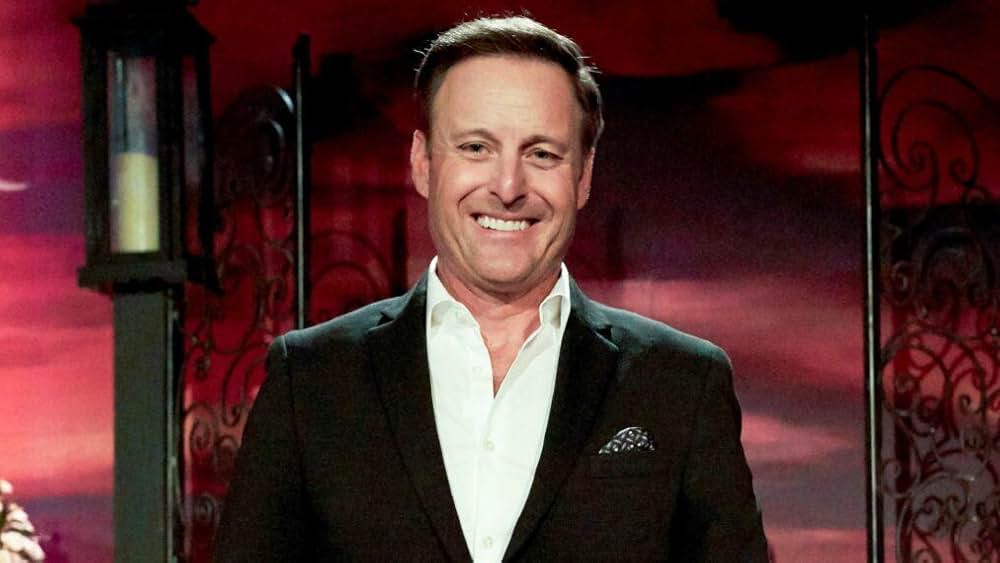
Inside Chris Harrison’s Conservative Dating Show
The new series centers on explicitly marriage-minded pairings and a production team tied to established reality-TV professionals. It frames relationship roles and faith or value-based leadership as central selection criteria.
Show Concept and Traditional Marriage Values
The program positions itself as a conservative dating show that seeks “traditional marriage” arrangements and long-term commitment. Casting materials call for singles over 21 who want a “marriage-minded partnership” and believe in “clear roles” such as a provider-husband or a stay-at-home wife, and in faith-based leadership in the home. The premise emphasizes intentional dating rather than casual dating apps, with producers asking applicants how modern dating fails and what their ideal marriage looks like.
The show’s messaging explicitly invites contestants who favor role-based domestic arrangements and commitment-first courting. That focus shapes challenges, interviews, and eligibility criteria to prioritize compatibility on religion, household division of labor, and long-term family planning.
Casting Call and Application Process
The casting call posted on social media and linked application form collects typical reality-show information—age, background, relationship history—plus targeted questions about values and domestic roles. Applicants must explain views on modern dating, describe an ideal marriage (examples given include provider-husband/stay-at-home-wife and wife-managing-home/finances/childcare), and state willingness to date with clear intent toward marriage.
Producers appear to be looking for ideological as well as romantic alignment, screening for commitment to traditional household models and faith-led leadership. The call was shared by Chris Harrison alongside casting director Lindsay Liles, signaling an experienced reality casting pipeline and a curated slate rather than random matchmaking.
Production, Streaming Network, and Notable Team
Harrison’s return follows a 2024 deal connected to Dr. Phil McGraw’s Merit Street Media, which reportedly included a dating show element. No major network has formally attached itself publicly, but the Merit Street tie raises the likelihood of streaming distribution aligned with conservative-minded programming. Lindsay Liles, who worked on The Golden Bachelor, is listed with the casting call, bringing established reality credentials to the production.
Lauren Zima, Harrison’s wife, was tagged in promotional posts, and Harrison serves as host. The team mix suggests a traditional reality-TV production model: experienced casting, a recognizable host, and independent or niche streaming placement rather than a big broadcast network slot. That setup can allow tighter editorial control over values-focused content.
Comparison to The Bachelor Franchise
The format echoes The Bachelor’s central conceit—one lead, multiple contestants, staged dates—but substitutes ideological alignment for broad mainstreamed romance. Where The Bachelor historically emphasized spectacle, dramatic eliminations, and glossy diversity of dating styles, this series filters contestants by shared conservative values and marriage-first objectives.
Harrison’s prior exit from The Bachelor in 2021 frames expectations; viewers familiar with his tenure will notice similar hosting style and production mechanics. However, the explicit promotion of role-specific marriage models and faith-based leadership marks a sharper ideological niche than the franchise’s more generalized dating entertainment. For more on the casting announcement, see reporting on the Instagram casting post.
Chris Harrison’s Return and the Stirring Controversy
Chris Harrison announced a casting call for a show that centers on “traditional marriage” and marriage-minded partnerships. The move marks his first major hosting return since leaving The Bachelor franchise and immediately generated sharp responses about his past conduct and the show’s cultural framing.
Background Behind Harrison’s Exit from The Bachelor
Harrison left The Bachelor franchise after defending contestant Rachael Kirkconnell in 2021 when photos surfaced of her attending an antebellum-themed college party. His comments to Rachel Lindsay — suggesting the behavior reflected past social norms rather than racism — drew widespread criticism and intensified scrutiny of the franchise’s handling of race.
The controversy escalated into his departure, reported to follow negotiations and an exit that involved an alleged eight-figure settlement with the network. That exit ended his long-running role as the franchise’s face and set the stage for questions about accountability in reality TV casting and hosting.
Reactions to the Conservative Dating Show Announcement
Harrison posted a casting notice seeking singles who want a “traditional, marriage-minded partnership,” prompting immediate reaction online. Critics connected the show’s language about “clear roles” and faith-based leadership to conservative social values and accused the project of courting a partisan audience.
Supporters framed the show as filling a gap for viewers who prefer conventional marriage roles in dating TV. Media coverage emphasized the contrast between this new show’s stated aims and the more progressive direction many reality formats have taken since 2021. Coverage examples include reporting on the casting call and its questions about ideal marriage roles, which shaped early public debate (see reporting on the casting announcement).
Broader Debates on Traditional Love and Modern Dating
The show revives larger cultural debates about what “traditional” marriage means in 2026’s dating landscape. Advocates for modern dating point to changing household roles, gender equality, and diverse family structures as reasons why prescriptive definitions of marriage can feel exclusionary.
Proponents of traditional frameworks argue there remains an audience seeking marriage-minded formats that emphasize commitment, faith, and defined domestic roles. Reality TV producers must weigh commercial demand against reputational risk, especially given Harrison’s high-profile exit and the broader push for inclusive casting in the genre.
More from Vinyl and Velvet:

Leave a Reply