

You saw the clip — a tiny kid handed a Grammy during Bad Bunny’s Super Bowl set — and now you want the real story behind the overnight buzz. Lincoln Fox, the child actor in that moment, has spoken about what it felt like to go viral and why the experience meant more than the applause.
You’ll get a quick look at how Lincoln landed the role, what happened during rehearsals, and how a single on-field gesture sparked wide conversation online. Along the way, you’ll learn how reactions mixed symbolism, misidentification, and a surprising human story that stretched beyond the lights.
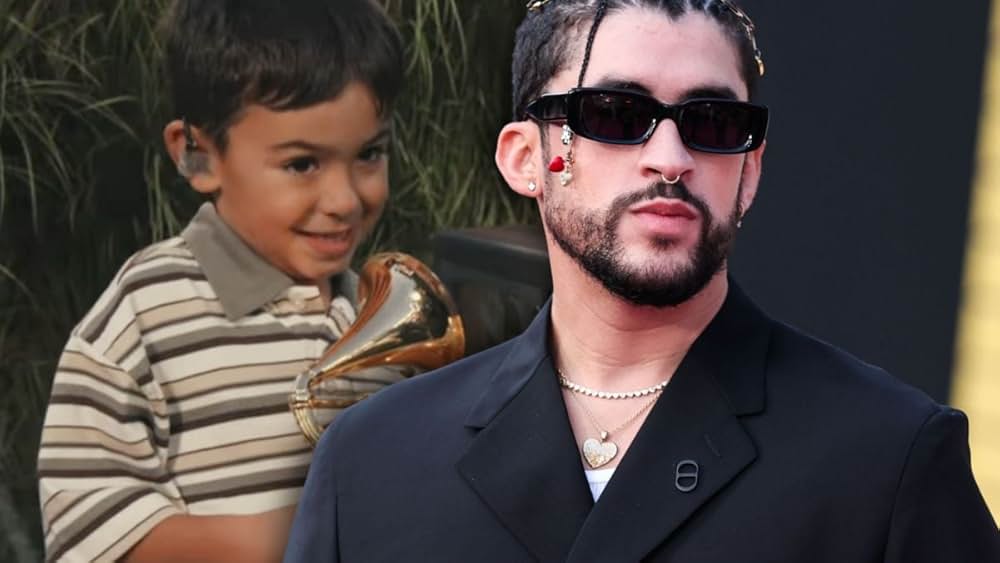
How Lincoln Fox Went Viral After Bad Bunny’s Super Bowl Halftime Show
A single staged moment during the Super Bowl LX performance sent Lincoln Fox into overnight fame and sparked intense online discussion about identity, symbols, and social media truth. The next paragraphs explain what happened on stage, who Lincoln Fox is, and why viewers confused him with another child.
The Moment on Stage That Sparked Online Buzz
You saw Bad Bunny, also known as Benito, step into a living-room scene and hand a Grammy replica to a young boy seated on a couch at Levi’s Stadium. Cameras held on the child long enough for millions of viewers to share clips, screenshots, and reactions across X, Instagram, and TikTok.
That sustained close-up and the emotional framing — a child watching a TV clip of Bad Bunny before the artist walks in — created a viral visual. People reacted to the gesture itself, the cultural symbolism during Super Bowl 60, and the unexpected tenderness in a high-energy halftime set.
Who Is Lincoln Fox? Unmasking the Child Star
You should know Lincoln Fox is a 5-year-old child actor and model represented by The W Group. His agency confirmed he was cast for the halftime show through standard casting channels and described his appearance as professional and intentional.
Lincoln’s resume lists commercials for major brands and a bi-cultural background; he has said he’ll remember the day forever on Instagram. His brief on-screen role — portraying a young version of Bad Bunny in a domestic setting — matched the halftime show’s theme of aspiration and identity.
Internet Rumors: Liam Conejo Ramos and the Blue Bunny Hat Mix-Up
You likely encountered posts claiming the boy was Liam Conejo Ramos, the 5-year-old who was detained by ICE in January. That assertion spread quickly because both boys are the same age and the story of Liam had recently gone viral, prompting emotional responses.
The W Group and multiple outlets clarified the child was Lincoln Fox, not Liam Ramos. A separate visual detail — a blue bunny hat seen on social posts — amplified confusion as users speculated symbolic intent. Verify identities through official statements and talent representatives when viral moments intersect with real-life legal and humanitarian stories.
Reactions, Symbolism, and Behind the Scenes of the Viral Moment
The viral clip put a human face on a political and cultural moment, drove intense public debate, and drew attention from high-profile entertainers and advocates. You’ll see how the performance choices tied to Puerto Rican identity, how the child’s family responded to overnight attention, and which celebrities amplified the moment.
Bad Bunny’s Inspiration: Portraying Childhood and Puerto Rican Pride
Bad Bunny framed the segment as a tribute to youth and Puerto Rican roots, using costumes and staging that echoed island traditions and everyday childhood play. You can trace visual cues—streetwear, a toy-like prop, and a brief nod to local vernacular—that connected the halftime production to scenes from Puerto Rican neighborhoods rather than an abstract spectacle.
That intentionality mattered because it centered a specific community during one of the most-watched televised moments. You can interpret the choice as both artistic and political: celebrating Latino culture broadly while making a direct statement about identity that resonated with viewers who follow his public stances. The inclusion of a child figure made the themes immediate and emotionally accessible.
Viral Rumors and Family Responses
After the clip circulated, rumors swirled online about the child’s background, including unverified claims linking the family to an asylum case or a detention center in Texas. You should treat those claims cautiously; public posts and local reporting clarified that the family’s situation differed from some viral assertions and that privacy concerns were paramount.
The family issued measured statements asking for calm and protection for the child, emphasizing safety over spectacle. You’ll note that advocacy groups and some journalists stepped in to correct inaccuracies, while legal advocates monitored any publicized details that could affect an ongoing immigration or asylum matter.
Celebrity Spotlights: Lady Gaga, Ricky Martin, Cardi B, and More
High-profile artists reacted quickly, amplifying both praise and debate. Lady Gaga and Ricky Martin publicly praised the cultural emphasis, highlighting representation and how the moment honored Latino contributions to mainstream music. Cardi B and other Latin artists framed the choice as a milestone for Spanish-language and Latinx visibility at major U.S. entertainment events.
Meanwhile, reactions from figures like Drake and J Balvin varied, with some commentary focusing on the set’s musical choices rather than the political subtext. Celebrities also pushed back against viral misinformation, calling for respect for the child’s privacy. Their amplification drove additional media attention and helped shape public perception of the halftime segment.
More from Vinyl and Velvet:

Leave a Reply