

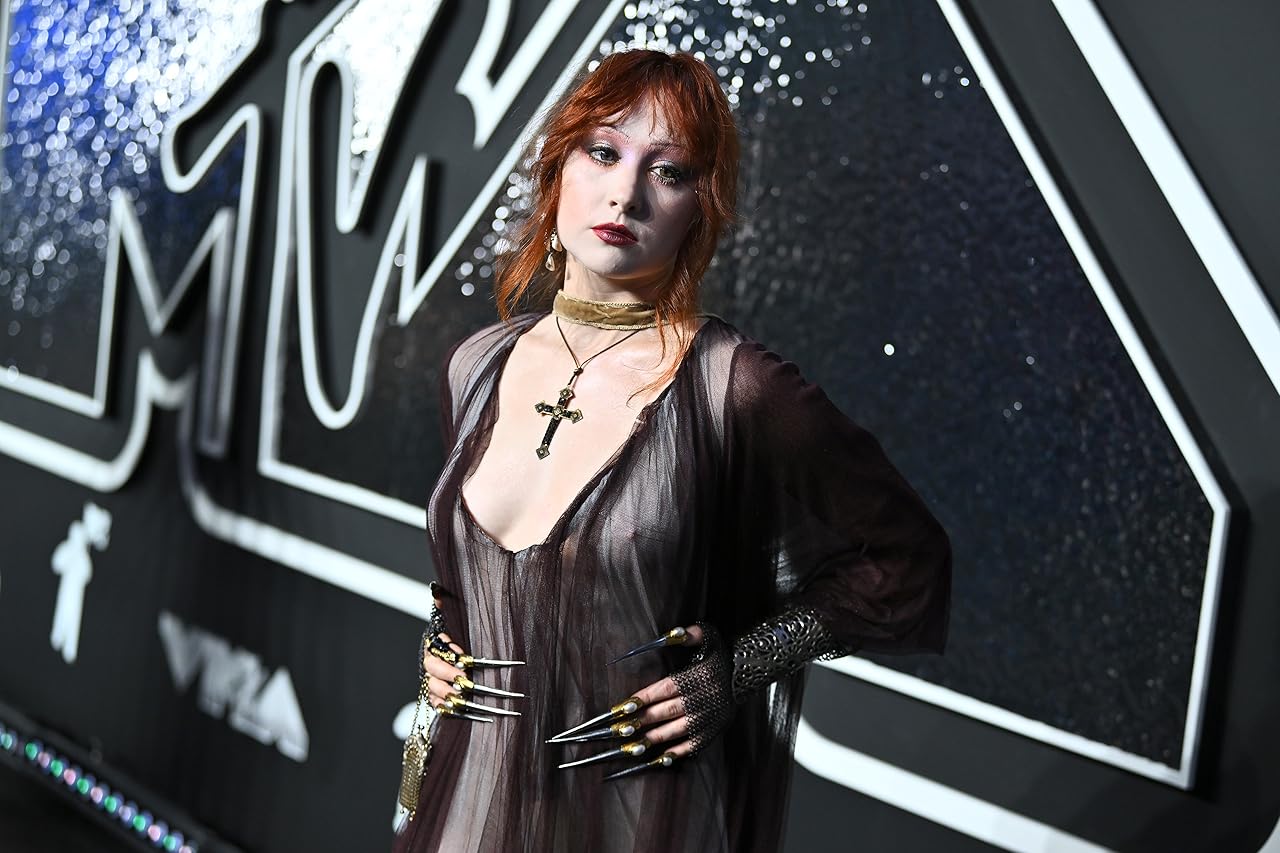
You follow this story because it matters to the music community and to how artists hold power to account. Chappell Roan has severed ties with the Wasserman agency after documents tied to Jeffrey Epstein named the agency’s founder, and that move signals a broader push for ethical clarity in entertainment. Her choice shows artists will no longer tolerate representation that conflicts with their values and safety.
Expect a look at why Roan left, how the Epstein-linked revelations forced the split, and how peers and industry figures have reacted. The next sections will unpack Roan’s statement, the details behind the controversy, and what this shift could mean for agency accountability and artist protections going forward.
Chappell Roan’s Decision to Leave Wasserman Agency
Chappell Roan ended her professional relationship with the Wasserman talent agency after documents tied the agency’s founder to exchanges that raised ethical concerns. Her move centered on protecting her team and aligning representation with her public values.
Details of the Departure Announcement
Roan posted on Instagram that she is “no longer represented by Wasserman,” signaling an immediate split from the agency that had handled aspects of her career. The Grammy-winning singer, known for songs like “Pink Pony Club,” framed the change as a deliberate choice rather than a negotiated transition.
The notice emphasized protection of Roan’s staff and collaborators, and she declined to defend or overlook actions she found incompatible with her values. Multiple outlets reported the announcement after Justice Department files revealed flirtatious emails involving Wasserman’s founder and Ghislaine Maxwell, prompting public scrutiny of the agency’s leadership.
Links: read reporting on the announcement from the New York Times.
Roan’s Statement on Ethics and Accountability
Roan’s statement focused on accountability and the moral obligations of artists and their representatives. She wrote that meaningful change requires leaders who earn trust, putting ethical standards ahead of business relationships.
She called on the industry to prioritize transparency and safety for artists and employees, tying her decision directly to those principles. The language she used resonated with other performers weighing their ties to agencies after the Epstein-related revelations, making her departure both a personal stance and a public ethical signal.
Impact on Artist Representation and Industry Standards
Roan’s exit raises immediate questions for artists represented by large agencies about vetting, oversight, and moral alignment. Talent managers and acts now face pressure to reassess contracts, reputational risk, and the processes agencies use to address leadership controversies.
Smaller acts and staff may feel vulnerable if agencies lose clients; conversely, Roan’s move may push agencies to adopt clearer ethics policies and independent review mechanisms. The episode highlights how a single high-profile split can influence broader conversations about standards in talent representation and corporate accountability.
The Epstein-Linked Controversy and Industry Reactions
Revelations about email exchanges and newly surfaced documents tied to Jeffrey Epstein have prompted urgent questions about judgment, past associations, and accountability across entertainment. Artists and industry leaders have reacted swiftly, forcing talent firms and event organizers to confront reputational and operational risks.
Casey Wasserman’s Emails with Ghislaine Maxwell
Reporting shows Casey Wasserman exchanged flirtatious emails with Ghislaine Maxwell in the early 2000s, a detail that appears in the recently released Epstein files. Wasserman has publicly denied any personal or business relationship with Jeffrey Epstein, but the email content has intensified scrutiny of his judgment and past contacts.
The messages themselves do not allege criminal behavior by Wasserman, yet they have real consequences for his agency’s credibility. The controversy helped trigger client departures and renewed calls for transparency about senior executives’ past communications and ties to figures connected to Epstein.
Community and Artist Backlash
Several artists reacted quickly after the disclosures. Rising star Chappell Roan announced she would leave Wasserman’s agency, citing misalignment with her values and concern for her team’s welfare. Other performers and bands — from established acts to indie names — voiced disappointment and called for accountability.
Social media amplified demands for action, with fans and musicians using the revelations to push agencies and festivals for clearer ethical standards. Public pressure also reached artists loosely connected to recent events, such as Water From Your Eyes, Beach Bunny, Best Coast, and solo musicians who emphasized they would not tolerate representation tied to controversial associations.
Broader Impact on the Music and Entertainment Industry
The episode pushed executives and boards to reassess risk policies and client communications. Talent agencies now face tougher reputational risk management, and some firms are conducting internal reviews of historical email archives and relationship disclosures. Event promoters and record labels are watching closely to avoid fallout that could affect tours, sponsorships, and partnerships.
High-profile names — from Bethany Cosentino to pop acts that have worked with major agencies — have weighed how association choices affect booking, collaborations, and brand deals. The scrutiny also reached global projects linked to Wasserman’s profile, including questions about optics surrounding the 2028 Los Angeles Olympics and which executives occupy leadership or advisory roles.
Calls for Leadership Change in Major Events
Pressure mounted for leadership shifts at institutions and major events where implicated executives hold influence. Some stakeholders argued that maintaining leadership continuity risked alienating artists, sponsors, and the public. Discussions included whether executives should step aside during investigations or be permanently replaced to preserve institutional integrity.
Organizers of festivals, award shows, and the Los Angeles Olympic planning bodies faced specific calls to review ties to implicated figures. Insurers, corporate sponsors, and artists pressed for binding governance reforms and clearer conflict-of-interest rules before committing to high-profile partnerships.
More from Vinyl and Velvet:

Leave a Reply