

Teyana Taylor turned a routine awards show segment into one of the Golden Globes’ rawest live television moments, breaking down in tears as she accepted her first major film trophy. Her emotional speech, framed by a daring red-carpet look and a direct address to “Brown sisters,” quickly became the night’s most replayed clip and a flashpoint in the conversation about how Black women are seen in Hollywood.
The actor and singer, who won best supporting actress in a motion picture for her work in the drama One Battle After Another, struggled to get through her remarks as she tried to process the scale of the recognition. What some viewers initially read as chaos on stage ultimately played as something more deliberate: a refusal to hide vulnerability at one of the industry’s most closely watched events.
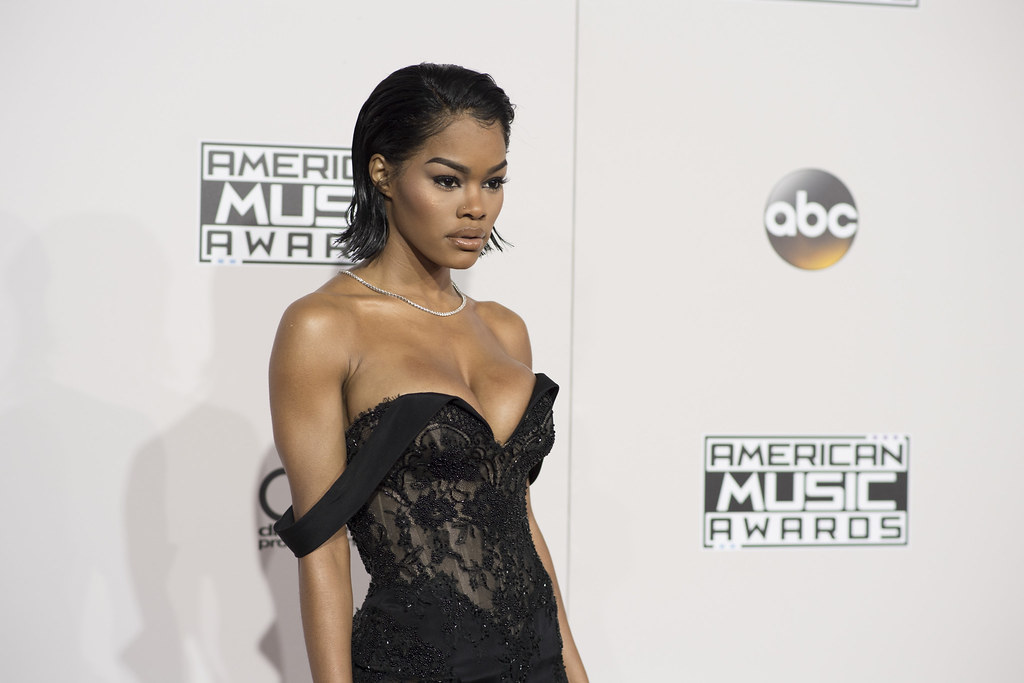
Teyana Taylor’s breakthrough win and a speech that would not stay tidy
The Golden Globes ceremony, broadcast live on CBS and Paramont, had already crowned several early winners when Teyana Taylor’s name was called for best supporting actress in a motion picture, a category that confirmed her performance in One Battle After as one of the year’s standout turns.
Her victory was part of a broader slate of honorees at the 83rd ceremony, which recognized film, television and even podcasts in a live show carried on Sunday night.
For Taylor, the moment was historic on a personal level. The trophy marked her first Golden Globe and, as several observers noted, an early win that helped define the tone of the evening. Coverage of the show emphasized how the first-time winner used her limited stage time to leave a lasting impression, even as she visibly fought back sobs.
Her category was widely viewed as competitive, which made the announcement feel like an upset to some awards watchers. One breakdown of the night’s snubs and surprises highlighted the result as a “Surprise” and noted that Teyana Taylor prevailed over “Sentimental Value” star Inga Ibsdo and other contenders, underscoring how unexpected it was to see Teyana Taylor walk away with the statuette.
The win also slotted into a broader pattern at the 2026 Golden Globes, where projects like One Battle After, “KPop Demon Hunters” and “Sinners” were among the titles that defined the night’s narrative. Within that context, Taylor’s speech became a focal point not only because of what she said, but because of how unguarded she allowed herself to be in front of a global audience.
From tears to rallying cry: a messy, moving address to “Brown sisters”
Once on stage, Taylor quickly abandoned any hope of a perfectly composed speech. She admitted she had almost not prepared remarks at all, joking that she did not think she would win, a detail later echoed in coverage of how Taylor offered solidarity to Black women while still visibly in shock.
As she tried to thank collaborators and family, her voice repeatedly cracked and she wiped away tears, creating a sense of live-wire unpredictability that cameras lingered on. Photographers like Rich Polk captured the moment as she clutched the trophy, her mascara streaked, while she tried to regain her composure and continue.
Her look only heightened the sense that this was not a standard-issue awards speech. On the carpet, she had already gone viral for a crystal thong she jokingly described as a “party in the back,” paired with a sculptural gown that made her one of the night’s most talked-about fashion risks. That same outfit framed her as she cried through her Golden Globes win, a juxtaposition that coverage of her tears and styling repeatedly emphasized.
Yet the heart of the speech was not the fashion or the faltering delivery, but the message she directed to Black women watching at home. In a key passage, she turned to “my Brown sisters and little Brown girls watching tonight,” insisting that “our stories, our softness and our dreams deserve space,” a sentiment later quoted in full in reporting on how Taylor closed her remarks.
Elsewhere, she broadened that idea into a more explicit statement of belonging. One detailed account of the speech noted that Teyana Taylor Sends to Black Women as She Accepts First Golden Globe, quoting her declaration that “We Belong in Every Room We Walk Into,” a line that has since circulated widely on social media.
Her direct address to family added another layer of intimacy. In a clip shared on Instagram, she told her parents, “To my mommy and my daddy, it’s up for y’all anytime. I love you all so much. Thank you for being here with me tonight,” a moment that the official speech clip highlighted alongside her insistence that “softness is not a liability.”
Why the “chaotic” moment resonated far beyond the ballroom
Part of what made the segment feel chaotic in real time was the collision of glamour, vulnerability and the rigid timing of a live broadcast. As producers tried to keep the show moving, Taylor’s tears and halting delivery stretched the moment, creating the sense of a speech that might run off the rails even as she kept pulling it back to gratitude and purpose. One tabloid recap described how Teyana Taylor broke down in tears live on stage during her Golden Globes acceptance, underscoring how unfiltered the moment appeared to viewers.
At the same time, more detailed coverage framed the speech as a carefully grounded response to a long climb. Taylor’s performance in One Battle After had already been praised for its intensity, and the film itself, referenced in some reports by its initials “OBAA,” was cited as a key reason she was on that stage at all.
Her remarks also fit into a broader pattern of Black women using awards platforms to speak directly to their communities. One analysis of the night’s cultural impact noted that Culture watchers saw her speech, delivered in a mesh Schiaparelli gown, as part of a lineage of acceptance moments that double as affirmations for audiences who rarely see themselves centered.
Even outlets focused on the fashion and spectacle of the Globes acknowledged that the emotional volatility of the speech did not undercut its clarity. Recaps of the show’s standout moments described an Emotional Teyana Taylor who still made time to shout out collaborators like Eric Ander and director Thomas Anderson, weaving industry thanks into a broader message about representation.
That balance between personal catharsis and public statement is part of why the speech has lingered in the post-show conversation. One early write-up of the ceremony’s film categories noted that Teyana Taylor sobbed
In the end, what some viewers labeled chaotic looked, on closer inspection, like a rare instance of a major awards show making space for unvarnished emotion. Taylor’s first Golden Globe, secured in a year when She Accepts First Golden Globe for a performance that had already drawn critical praise, became less about the trophy itself and more about the message she delivered through tears: that Black women, and especially Brown girls, belong fully and visibly in every room they enter.
More from Vinyl and Velvet:

Leave a Reply