

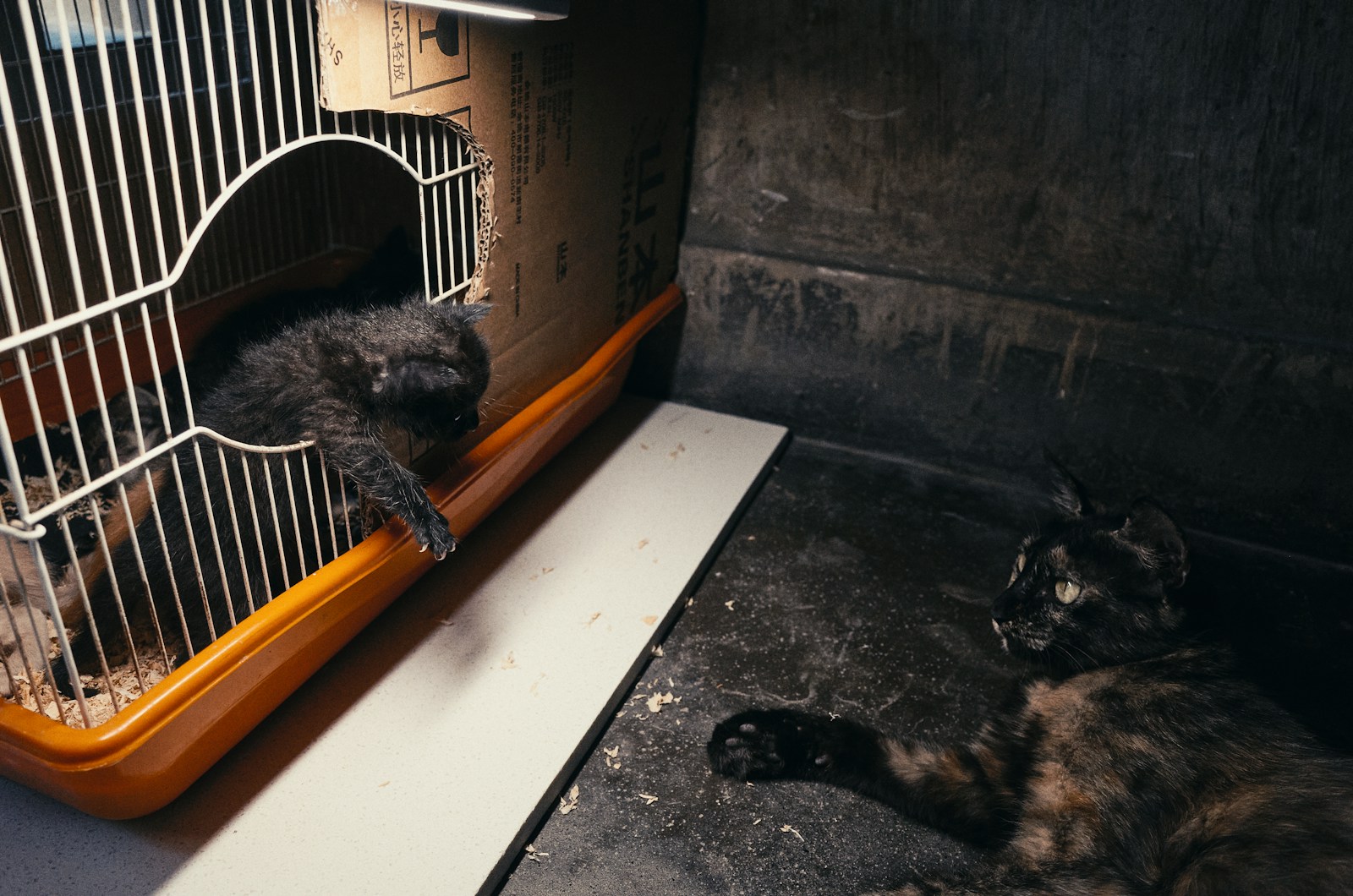
After years of scooping litter boxes, bottle-feeding kittens, and covering every open shift, one longtime cat shelter volunteer is quietly wondering if it is time to walk away. What began as a few hours a week has turned into a second unpaid job, complete with guilt trips whenever they try to set limits. As they put it to a friend, the shelter seems to treat basic kindness like a full-time position that never clocks out.
Their story is not unique. Across animal welfare, people who care deeply about cats and dogs are burning out under the weight of endless need, thin staffing, and a culture that sometimes confuses self-sacrifice with commitment. The question this volunteer is wrestling with is not whether the work matters, but whether staying is still compatible with a healthy life.

The quiet slide from passion to compassion fatigue
Inside many rescues, the pattern looks familiar. A new volunteer shows up wide-eyed and eager, ready to clean cages, socialize shy cats, and post adorable adoption photos. They say yes to an extra shift, then another, then the overnight foster of a sick litter that no one else can take. Over time, the boundaries between their actual job, their home life, and the shelter start to blur, until the volunteer is the person everyone texts when a cat needs emergency transport at midnight. That creeping expectation that they will always say yes is exactly what one longtime rescuer described as the monster in the closet of animal work, a form of burnout that can leave people feeling used up and resentful even as they still care about the animals they are trying to help, a pattern described in detail by rescue burnout.
Psychologists and shelter professionals tend to use the phrase compassion fatigue for what happens next. Volunteers and staff who once cried over every intake start to feel numb or irritable, snapping at coworkers or adopters over small things and then feeling guilty for it later. Guides on signs of compassion in shelter workers describe people acting more hopeless or detached, struggling to sleep, and carrying a constant sense of dread about the next cruelty case or euthanasia decision. On social media, groups that focus on the emotional toll of shelter work share posts from people who forget to let their own dogs out because they are so drained from caring for everyone else, then cry from the guilt when one of their pets has an accident on the floor. For the cat shelter volunteer on the edge of quitting, the red flags feel uncomfortably familiar.
When “helping out” becomes unpaid labor
Part of the problem is structural. Many rescues run on shoestring budgets, so once a volunteer proves competent, leadership leans hard on that reliability. The tasks creep from scooping litter to managing medical logs, fielding adopter emails, and training new volunteers, all with no formal recognition or clear boundaries. In some accounts of life inside shelters, like one worker who wrote that no one ever said the words compassion fatigue when they took the job and that they only realized how bad things had gotten when their own health started to slide, the lack of early conversations about limits and self-care was a key reason their career in animal welfare ended prematurely, a story laid out in one shelter worker’s.
Volunteers feel that same pressure, just without a paycheck. Online discussions among shelter workers and rescuers describe people who manage entire cat rooms, coordinate transport networks, or run social media for free, all because they were too afraid to say no when asked. Some rescue-focused writers bluntly argue that the hardest but most necessary skill in this world is learning to decline new commitments, since saying yes to every single animal can leave a person so depleted that they eventually walk away from rescue entirely instead of staying sustainable over the long term, a point made clearly in advice on learning to say. For the cat shelter volunteer, each guilt-laced request for “just one more weekend” of coverage chips away at any sense that their time is respected.
Staying, leaving, and refusing to feel guilty either way
That is where the decision point comes in. The volunteer who feels trapped between loyalty to the cats and resentment toward the humans is essentially facing the same crossroads as anyone considering a job change. Career counselors talk about resigner’s remorse, the anxiety that quitting will be a mistake, and encourage people to sort out whether they are reacting to a passing rough patch or to a pattern that has become intolerable. One support organization describes how people often second-guess themselves even when the situation is clearly harming their mental health, and suggests writing down specific reasons for leaving, like chronic stress, unfair workloads, or a toxic dynamic, so those facts are harder to ignore later, advice captured in guidance on regret and quitting.
More from Vinyl and Velvet:

Leave a Reply