

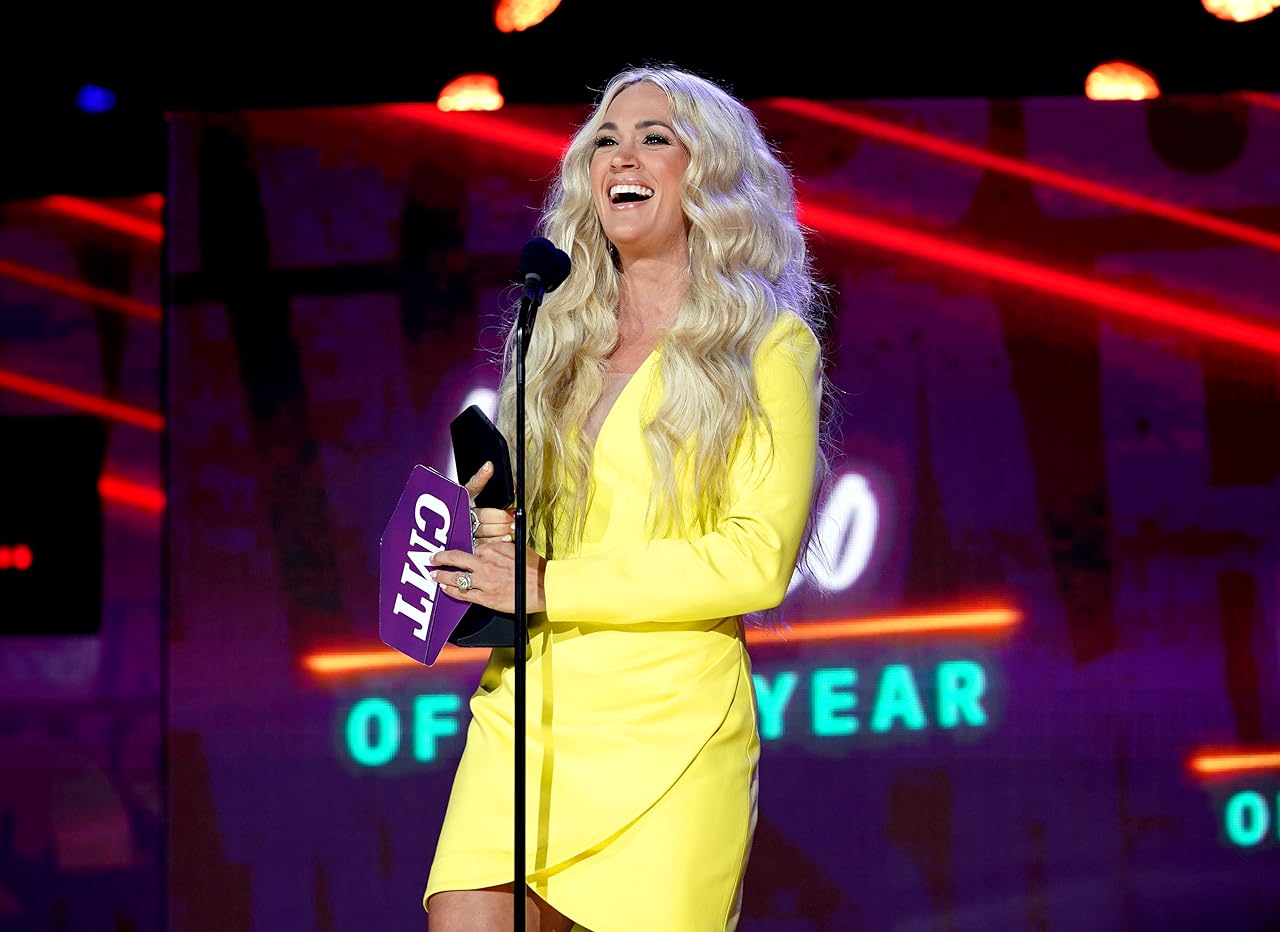
Carrie Underwood’s return to the show that launched her career was not some casual, automatic “of course.” Behind the scenes, the country superstar reportedly told executives she was ready to walk unless they reshaped her role and schedule to fit the life she has now, not the one she had as a fresh-faced winner. Only after producers agreed to three key conditions did she sign on for another season, turning a near-exit into a carefully negotiated comeback.
Her stance reflects a bigger shift in how veteran talent deals with long-running franchises. Underwood is no longer just a former contestant, she is a 42-year-old hitmaker with a packed touring calendar, a family, and a brand that stretches far beyond a single TV gig. The message she sent in negotiations was simple: if American Idol wanted her back, it had to evolve with her.

Carrie’s Breaking Point With ‘American Idol’
By the time talks for the new season rolled around, Underwood’s relationship with American Idol had reportedly hit a crossroads. After years of juggling live shows, mentoring duties, and cross-country travel, insiders say she was openly “on the fence” about whether the grind still made sense. The excitement of returning to the stage that discovered her was starting to clash with the reality of constant flights and long production days that pulled her away from her own music and her kids.
That hesitation was not just idle talk. According to one account, the 42-year-old star had already let top brass know she might be done, which sent producers scrambling for answers and alternatives. A separate report framed it even more starkly, describing how Carrie Underwood reportedly considered quitting the show outright until executives agreed to make “big changes” to her deal, a shift that turned what could have been a quiet exit into a high-stakes negotiation over her future on the franchise.
Condition One: A Schedule Built Around a 42-Year-Old Superstar
The first nonnegotiable point, according to people familiar with the talks, was time. Underwood wanted a schedule that looked less like a full-time judging job and more like a tailored guest role that respected the fact that she is a 42-year-old touring artist with a life rooted in Nashville. Earlier coverage of her uncertain future described how the 42-year-old hitmaker had already warned executives she could not keep up the same pace and needed clarity ASAP, a warning that set the tone for the new contract discussions.
That demand reportedly translated into fewer travel days, more clustered tapings, and a stronger emphasis on filming in or near Nashville whenever possible. One detailed account of the standoff noted that Carrie Underwood Reportedly Considered Quitting American Idol Until Big Changes Were Made, with insiders pointing to a shift in how and where they filmed in Nashville as a key concession. For producers, agreeing to that condition meant rethinking logistics and budgets, but it also meant keeping one of the show’s most bankable alumni in the fold instead of watching her walk away.
Condition Two: Creative Control Over How She Shows Up On Screen
Underwood’s second reported condition was about control, not just over her calendar but over how she appears on camera. After two decades of building a career that stretches from country radio to arena tours, she was not interested in being edited into a one-note “tough judge” or sentimental throwback. Sources say she pushed for more say in segment concepts, song choices for duets, and the way mentoring sessions were framed, so her on-screen presence lined up with the artist her fans see on tour.
That insistence on creative input fits with the way she has managed her brand across music, television, and live events. One social media recap of the contract drama described how Carrie Underwood nearly refused to return to American Idol during negotiations, underscoring that she was willing to walk if she felt boxed in by the show’s format. For producers, giving her more influence over the creative side meant loosening their grip on a tightly scripted machine, but it also promised more authentic moments that could cut through in a crowded TV landscape.
Condition Three: A Role That Matches Her Status, Not Her Origin Story
The third condition, according to insiders, was about status. Underwood did not want to be treated as just another panelist or a nostalgia cameo from the early seasons. She reportedly pushed for a role that recognized her as one of the franchise’s defining success stories, with a say in marquee episodes, live performance slots, and how her presence is promoted across the season. That meant more than just a big entrance, it meant being woven into the narrative of the show as a standard for current contestants to chase.
Reports on her near-departure suggest that producers ultimately agreed to elevate her positioning, both in marketing and in the structure of the episodes she appears in. One detailed breakdown of the standoff, framed around how Carrie Underwood Reportedly Considered Quitting American Idol Until Big Changes Were Made, pointed to a reworked format that leaned harder on her as a mentor and featured performer rather than just a rotating judge. In practice, that kind of upgrade gives her more leverage, more visibility, and a clearer separation from the rest of the ensemble.
Why Producers Were Desperate To Keep Her
From the show’s side, giving in to those three conditions was less about charity and more about survival. Long-running competition series live and die on the credibility of their alumni, and few names carry as much weight with viewers as Carrie Underwood. Internal chatter described producers as scrambling once they realized she was genuinely on the fence, with one account stressing how they wanted an answer ASAP before they were forced to retool the season without her.
That urgency makes sense when you zoom out to the broader TV and music landscape. Streaming has splintered audiences, and live performance shows now compete not just with each other but with endless clips on social media and a constant churn of Latest Music News. Having a proven stadium headliner on the panel is one of the few built-in draws a show like this can still bank on. Losing her would not just be a casting change, it would be a signal that the franchise could no longer hold on to the stars it helped create.
More from Vinyl and Velvet:

Leave a Reply