

You step into a charged moment where a top artist has openly dared federal agents to stay away from her concerts, turning routine tour security into national headlines. Cardi B’s onstage warning to ICE and federal agents instantly raised safety questions for fans, venues, and law enforcement — and it signals how quickly politics and celebrity can collide on the road.
As the story unspools, expect coverage of the Department of Homeland Security’s public response, the broader debate over immigration enforcement and the Epstein files that Cardi B invoked, and the practical security challenges facing a 34-date tour. This piece will map those threads so you can understand how a single concert remark turned into a multifaceted controversy affecting public safety, legal disputes, and cultural conversation.
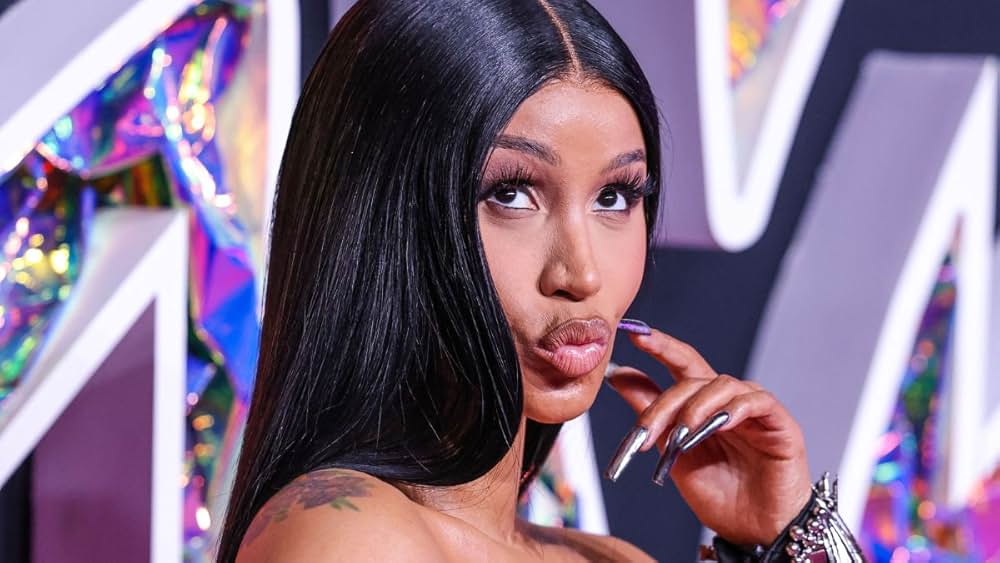
Cardi B’s Warning to ICE and Federal Agents
Cardi B directly addressed federal immigration agents during the Little Miss Drama tour kickoff, telling attendees she would protect fans and prepared to confront any ICE presence. Her remarks included references to carrying defensive spray and urging concertgoers to resist agent actions.
Viral Onstage Comments During the Tour
Cardi B told the Acrisure Arena crowd in Palm Desert that if ICE showed up at her shows, fans would “jump” them. Video of the line immediately spread on social media and was picked up by major outlets, amplifying the exchange beyond the arena.
Homeland Security publicly responded on X, quoting past comments about alleged criminal behavior and prompting Cardi B to counter by pointing to the Justice Department’s release of files tied to Jeffrey Epstein. The back-and-forth turned a short concert quip into a sustained online controversy involving federal agencies and press coverage.
Bear Mace References and Fan Protection
Onstage, Cardi B mentioned having “bear mace in the back,” framing it as a means to defend attendees against perceived threats. She presented the comment as practical — not rhetorical — suggesting she planned for security contingencies at tour stops.
Her remarks blended humor and a show-of-force tone that resonated with many fans who expect artists to look out for concertgoers. Promoters and venue security typically coordinate on crowd safety; a performer signaling independent defensive measures raised questions about protocols and the role of artist-led protection.
Immediate Fan and Public Reactions
Fans in the arena cheered and chanted after Cardi B’s comments, signaling support and an appetite for defiant rhetoric against ICE among segments of her audience. Clips posted to X and other platforms quickly amassed views and comments, fueling online debate.
Public reaction split along political lines: supporters framed the remarks as solidarity with immigrant communities, while critics and officials cautioned against endorsing violence or interference with law enforcement. Coverage from outlets such as USA Today captured both the onstage moment and the subsequent DHS reply, keeping the incident in the news cycle.
Department of Homeland Security and ICE Respond
The exchange turned quickly from a concert quip into a public spat with federal agencies, a pointed social-media rebuttal, and references to broader enforcement actions that have drawn criticism.
DHS and ICE Statements After Cardi B’s Remarks
The Department of Homeland Security reposted a news item on X and added a mocking line referencing past allegations about Cardi B’s pre-fame behavior. That post came from the agency tied to the Trump administration and signaled an unusually personal tone for a federal account.
ICE did not issue a separate long statement but the repost by DHS—whose mission oversees ICE—functioned as the federal response, framing Cardi B’s onstage warning as unserious while reminding the public of the agency’s law‑enforcement role. The exchange followed recent, high‑visibility immigration sweeps that sparked protests and criticism of federal tactics.
Social Media Back-and-Forth
Cardi B replied directly on X, shifting the focus from her concert comment to the Jeffrey Epstein files and accusing the agency of avoiding that subject. Her post named Epstein and urged attention to the released Justice Department materials, changing the narrative from a local concert threat to a national scandal.
Replies and reposts amplified both sides: fans supported Cardi B’s defense of attendees, while opponents cited her past remarks. The interaction illustrates how a single stage comment can escalate into a broader digital confrontation involving agency accounts tied to the Trump administration.
Past Interactions Between Artists and DHS
Artists have clashed with DHS and ICE before, often when political statements intersect with immigration enforcement. High‑profile musicians and activists have previously criticized ICE raids and federal border operations, prompting official responses or policy pushback from advocacy groups.
Those prior incidents set a context for this exchange: public figures use platforms to mobilize fans, and federal agencies occasionally respond via social channels. The pattern shows recurring tensions when enforcement actions meet celebrity political commentary, especially under the current administration’s heightened immigration agenda.
Security Concerns on Tour
Venues have tightened entry checks, local law enforcement sometimes coordinates with immigration authorities, and fans’ safety choices — including bringing nonlethal defenses — shape the atmosphere at shows.
Heightened Venue Security Measures
Venues now require layered screening: metal detectors at entry, bag searches, and ID checks for VIP areas. Promoters often hire additional private security firms experienced with crowd control and de-escalation.
Organizers set strict backstage access lists and escort protocols for artists and crew. That reduces unauthorized proximity to the stage and limits risks from aggressive attendees or protests.
Venues also updated emergency response plans, running staff briefings and drills before shows. Those actions aim to shorten response times for medical incidents, fights, or forced evacuations.
Federal Presence at Concerts
Federal agents — including ICE officers in some cities — have appeared near large public gatherings when deportation or immigration enforcement priorities shift. Their presence can raise tensions, especially at concerts with large immigrant or immigrant-majority audiences.
Artists and promoters sometimes request advance notice of law-enforcement operations or ask agencies to avoid staging enforcement actions at or near concert sites. When agencies decline, performers may warn fans to be vigilant, and some attendees consider carrying items like bear mace for personal defense.
Legal questions arise about enforcement actions on private property versus public sidewalks. Local officials sometimes mediate to keep federal activity away from event perimeters to minimize confrontations.
Impacts on Fans and Crew
Fans report arriving earlier to allow for longer security lines and bringing minimal belongings to speed entry. Some attendees expressly avoid carrying identification if they fear immigration checks; others carry ID to access medical care quickly.
Crew members face tighter credential checks and altered load-in schedules to limit street exposure during peak enforcement windows. Production teams plan secure transport and staging areas to protect equipment and personnel.
The mention of bear mace by performers affects crowd behavior: some fans consider nonlethal deterrents for perceived threats, while venues and airlines restrict certain sprays. That creates ambiguity about what items fans can legally bring into arenas.
Relevant reporting on the dispute with federal authorities appears in coverage such as the Independent’s account of the DHS exchange.
The Epstein Files and Wider Controversy
Cardi B called attention to recently released government records and tied them to accusations of broader accountability failures. The remarks linked federal agencies’ handling of Epstein-related material with public frustration about who is named and what remains sealed.
Cardi B’s Reference to Epstein Files
Cardi B directly invoked the Justice Department’s recent release of millions of pages related to Jeffrey Epstein when she answered the Department of Homeland Security’s jab.
She framed the conversation around allegations that prominent figures appear in the documents and that those records expose systemic abuses and possible cover-ups.
Her comments single out the perceived imbalance between attention paid to immigration enforcement and scrutiny of the Epstein materials.
The Justice Department maintains a public library of released items, and media outlets have reported that the files include references to many public figures. Cardi B’s line connected that reporting to a demand for broader accountability from institutions, including agencies like the Department of Homeland Security.
Public Reaction to Epstein Case Mentions
Reaction split along predictable lines: supporters applauded Cardi B for forcing attention onto the Epstein materials, while critics said the comparison to ICE activity was inflammatory.
Social media amplified both takes quickly, with some commentators citing reporting that details names and communications in the release and others arguing the rapper’s remarks oversimplified legal processes.
Journalists and legal analysts focused on the Justice Department’s published archive and recent releases when assessing her claim. Coverage noted that new document dumps have prompted fresh scrutiny of officials and private figures, and that government entities have faced pressure to explain redactions and withheld items.
Legal Drama: The Civil Lawsuit with Emani Ellis
The dispute centers on a February 2018 confrontation at a Beverly Hills OB‑GYN office and years of competing accounts that culminated in a civil trial. Claims included physical scratches and emotional harm; the defense argued no actionable contact occurred and challenged medical and testimonial evidence.
Details of the Altercation at the OB-GYN Office
On Feb. 24, 2018, Cardi B visited a Beverly Hills obstetrician while keeping her pregnancy private. A verbal confrontation erupted in the building lobby between Cardi B and Emani Ellis, who was working as a security guard that day.
Witnesses described a heated, short exchange lasting about a minute. The doctor and a receptionist intervened; the receptionist testified she stepped between the women. Surveillance footage was not presented at trial, and parties disputed whether any physical contact occurred during the encounter.
Allegations from Emani Ellis
Emani Ellis filed a civil lawsuit seeking $24 million, alleging assault, battery, intentional infliction of emotional distress, negligence, and false imprisonment. She claimed Cardi B scratched her face with fingernails, spat on her, used racial slurs, and caused lasting emotional and physical harm, including a scar on her cheek.
Ellis’s attorneys, led in part by Ron A. Rosen Janfaza, presented medical bills and testimony from a plastic surgeon who treated scars and from mental‑health providers who described ongoing distress. Family witnesses testified about changes in Ellis’s mood and functioning after the incident.
Cardi B’s Testimony and Defense
Cardi B testified she never physically assaulted Ellis and described the confrontation as strictly verbal. She said Ellis followed her, appeared to be filming, and that she confronted Ellis about her privacy being invaded. Cardi repeatedly denied spitting, using racial slurs, or swinging at Ellis.
The defense emphasized inconsistencies in Ellis’s accounts, lack of contemporaneous documentation of injury, and alternative explanations for the scar. Defense witnesses, including the doctor and receptionist, said they saw no clear injury on Ellis and described a brief but loud dispute. Cardi’s lawyers argued profanity and verbal altercations alone do not meet the legal standard for assault and battery.
Jury Verdict and Outcome
A Los Angeles jury unanimously found for Cardi B, rejecting all claims brought by Emani Ellis. The verdict relieved Cardi B of any obligation to pay the $24 million sought in the suit. Media outlets reported the decision on Sept. 2, 2025, marking the legal end of the civil case.
Following the verdict, both sides made public statements: Cardi B celebrated the outcome, while Ellis said she had no regrets about pursuing the case. The judgment closed a high‑profile chapter in Cardi B’s legal history during the period when she was promoting her music and caring for her daughter, Kulture.
Tour Highlights and Cultural Impact
The Little Miss Drama Tour launched with packed arenas and recurring moments that shaped the conversation around the run: energetic setlists, recurring fan chants, and a handful of viral incidents tied to onstage comments. Security concerns and celebrity interactions have punctuated the tour’s public profile.
Tour Dates and Key Moments
Cardi B kicked off the tour in Palm Desert on Feb. 11, 2026, and scheduled more than 30 North American dates across major markets. Several arenas reported sellouts within days, and VIP packages moved quickly through official channels like the tour’s ticketing page.
Key moments include the Palm Desert performance where Cardi B addressed federal immigration agents, a moment that made headlines and increased scrutiny on venue security protocols. Another notable stop featured a surprise guest appearance that pushed ticket resale values higher for subsequent dates.
Promoters adjusted security at select shows after fan reports and media attention. Set changes and encore placements varied by city, keeping repeat attendees engaged and driving local social media buzz.
Fan Engagement and Social Media Virality
Fans drove much of the tour’s momentum through coordinated social posting and short-form video clips. Concertgoers repeatedly posted clips of choreography, singalongs, and Cardi’s onstage banter, producing trending hashtags and region-specific viral moments.
Interactive fan activations—meet-and-greet packages, pre-show parties, and exclusive merchandise—boosted engagement and created collectible moments that fans shared widely. Fan reactions to Cardi’s ICE-related comments produced intense debate online, with some clips surpassing millions of views across platforms.
Kulture, Cardi B’s daughter, occasionally appeared in fan-shot footage and became a recurring figure in personal posts, deepening emotional ties between Cardi and her audience. That personal element amplified share rates and broadened the tour’s cultural footprint beyond music alone.
Performance of ‘I Like It’ and Other Hits
“I Like It” remained a centerpiece of the setlist, delivering the biggest communal singalong at every arena stop. The song’s Latin-infused production and high-energy choreography turned into a consistent show peak, with fans singing the chorus a cappella on multiple occasions.
Cardi balanced “I Like It” with newer tracks from her album Am I the Drama? and earlier hits, sequencing songs to alternate high-energy numbers with slower, intimate moments. Band and backing vocal arrangements changed slightly by city, giving repeat attendees fresh versions of familiar songs.
Staging and costume changes amplified each hit’s impact, and fans frequently recorded the climactic “I Like It” segment, contributing to playlist placements and streaming spikes after shows.
More from Vinyl and Velvet:

Leave a Reply