

You already know the controversy: Candace Owens accused Turning Point USA of inflating the live viewership for its All-American Halftime Show during Super Bowl 2026. That claim sparked immediate debate across social platforms and raised questions about how online view counts get reported and verified.
If Owens is right, the event’s claimed 5 million viewers could reflect paid amplification rather than organic audience size, which would matter for how political media measures reach. Expect the article to unpack her specific allegations, examine available platform metrics and public screenshots, and follow Turning Point USA’s response and the wider fallout.
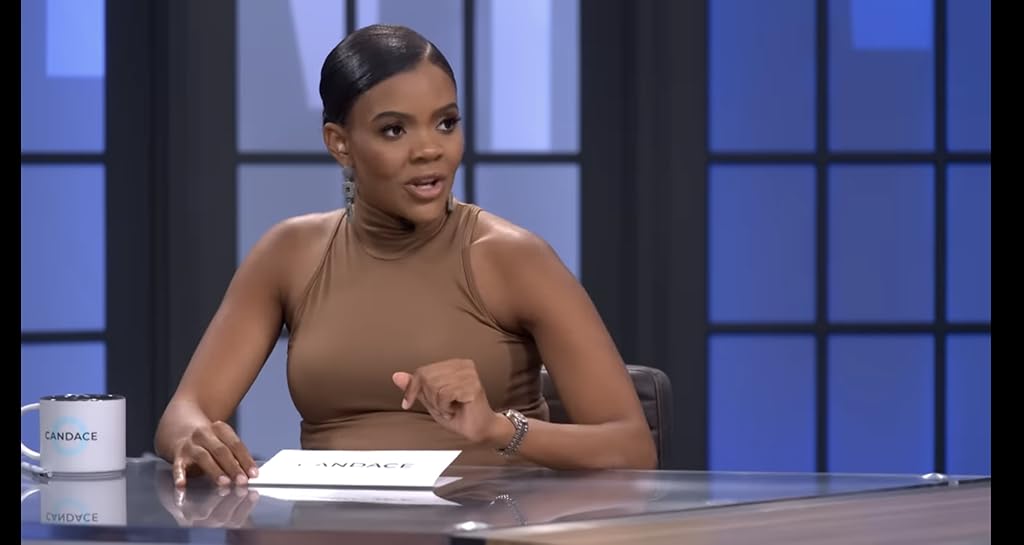
Candace Owens’ Accusations Against Turning Point USA
Candace Owens directly accused Turning Point USA of inflating the All-American Halftime Show’s view count and of using paid tactics and coordinated promotion to manufacture a larger online audience. She named specific practices she believes produced misleading viewer numbers and contrasted TPUSA’s figures with visible platform metrics.
Breakdown of the Inflated View Count Allegations
Owens disputed Turning Point USA’s claim of “over 5 million simultaneous” viewers, pointing to visible counters on individual platforms that showed far smaller live audiences. She highlighted a YouTube stream that registered just under 6,000 concurrent viewers as an example of the gap between public platform metrics and the totals being promoted by TPUSA.
Her central allegation centers on a mismatch: aggregate totals posted by TPUSA and allies versus on-platform live counters. Owens suggested those aggregate figures could include paid promotion impressions, short-duration views counted as full viewers, or duplicated counts across platforms, which would inflate headline numbers.
She also referenced public posts by TPUSA affiliates that listed detailed subscores (e.g., Charlie Kirk’s channel, Rumble, Magno News) to argue that the math doesn’t add up when compared to independently visible streams.
Owens’ Arguments and Evidence
Owens used direct social posts to present her case, citing specific screenshots and platform counters as evidence. She argued that paying platform advertisers and coordinating influencer participation can create spikes that don’t reflect organic, sustained viewership.
Her evidence relies on observable discrepancies: publicly viewable live counters, claimed aggregate totals, and timestamps that suggest brief bursts rather than sustained simultaneous audiences. Owens has pointed to statements from TPUSA associates on X that listed view breakdowns to question whether those figures represented unique viewers or duplicated counts.
She did not produce audit-level data from platforms; her critique focused on what ordinary users can see versus what Turning Point USA claimed, framing the issue as one of transparency and reporting integrity.
The Role of Social Media and Influencers
Owens accused TPUSA of using paid ads and influencer amplification to create an appearance of scale. She described a mechanism where paid promotion drives short visits and influencers drop in to boost concurrent counts, then depart—yielding inflated snapshots without long engagement.
That tactic, if used, can change how platforms report “simultaneous” viewers versus unique viewers or total minutes watched. Owens emphasized that coordinated influencer posts make it harder to tell whether numbers represent organic interest or a promotional campaign.
She also referenced the modern attention economy: platform algorithms and cross-posting can multiply reach quickly, but they can also be gamed through advertising budgets, paid placements, and orchestrated influencer drops that raise headline numbers without matching genuine audience engagement.
Owens’ Critique of Both Halftime Shows
Owens criticized both Turning Point USA’s alternative All-American Halftime Show and Bad Bunny’s Super Bowl LX performance. She said TPUSA’s show felt engineered for optics rather than audience, accusing the organization of “scamming” view counts.
Simultaneously, she dismissed Bad Bunny’s halftime set for lacking English-language content, framing it as polarizing rather than unifying. Owens described both options as unsatisfactory, arguing the cultural and political production choices from each side failed to provide a broadly resonant halftime experience.
Her comments tied back to her history with Turning Point USA and Charlie Kirk, using familiarity with the organization to underscore her expectations for transparent metrics and genuine audience engagement.
Turning Point USA’s Response and Controversy Aftermath
Turning Point USA pushed back quickly and publicly, disputing claims that it inflated view counts and inviting critics to an on-air rebuttal. Internal tensions and public sparring followed, revolving around reported platform numbers, key staff statements, and leadership dynamics after Charlie Kirk’s death.
TPUSA’s Statement and Public Challenge
Turning Point USA issued a point-by-point rebuttal calling the accusations false and unsupported by evidence. The group said it would host a livestream to address each claim directly and invited Candace Owens to participate, framing the event as a public forum to settle disputes.
Blake Neff — who produced The Charlie Kirk Show and helped stage the All-American Halftime Show — posted platform-specific figures, claiming “over 5 million simultaneous” viewers on TPUSA YouTube and additional audiences on Charlie Kirk’s YouTube channel, Magno News, Rumble, and RAV. TPUSA framed those platform tallies as the basis for its reporting.
TPUSA also criticized the method by which critics cited individual account viewers (for example, a YouTube channel showing ~6,000) as not reflective of aggregate cross-platform viewership. They emphasized advertising, influencer amplification, and simultaneous streams as drivers of higher combined counts.
Viewership Claims Versus Reported Data
Publicly posted platform numbers created contrasting narratives. TPUSA and affiliated accounts published aggregated counts across TPUSA YT, The Charlie Kirk Show, Magno News YT, and Rumble, while third parties and screenshots showed far smaller counts on some individual channels during the broadcast.
Observers flagged inconsistencies between a single-channel view snapshot and the combined totals TPUSA reported. The discrepancy centers on whether to count simultaneous viewers across multiple streams and paid advert impressions versus organic unique viewers.
Platforms report different metrics: live concurrent viewers, total views, and paid reach. TPUSA’s published figures leaned on concurrent and aggregated metrics across several outlets; critics argued those metrics can be amplified by promoted posts and do not prove unique, unpaid viewership.
Key Figures and Team Dynamics Post-Kirk
Charlie Kirk’s assassination in September 2025 left leadership and staffing questions at TPUSA. Erika Kirk assumed the CEO role and publicly managed organizational responses, while former staffers and producers, including Blake Neff, remained visible in operational and promotional roles.
Candace Owens, a former TPUSA communications director (2017–2019), reignited tensions with public accusations and by releasing a leaked conference call recording involving Erika Kirk. That leak intensified internal friction and prompted public condemnations from Erika, who pushed back against what she called conspiratorial narratives.
Blake Neff’s public posting of view counts tied him closely to the organization’s defense. His association with The Charlie Kirk Show and prior production role made his on-platform claims influential among TPUSA supporters and a focal point for critics parsing the numbers.
Ongoing Feud and Legal Maneuvers
The dispute moved beyond social media rhetoric into formal rebuttals and public challenges. TPUSA’s livestream offer aimed to rebut specific claims point-by-point, signaling readiness to publicly defend its metrics and reputation.
Owens and TPUSA traded public statements and recordings; tensions led to canceled or altered appearances and a history of meetings between key parties that left details private. Legal talk circulated around leaked material and defamation concerns, though public reporting has focused more on reputational damage than filed lawsuits.
Both sides have used media appearances, platform posts, and livestreams to rally supporters. The feud remains active, with future legal or formal actions possible if either party pursues claims about recordings, view-count manipulation, or defamatory assertions.
More from Vinyl and Velvet:

Leave a Reply