

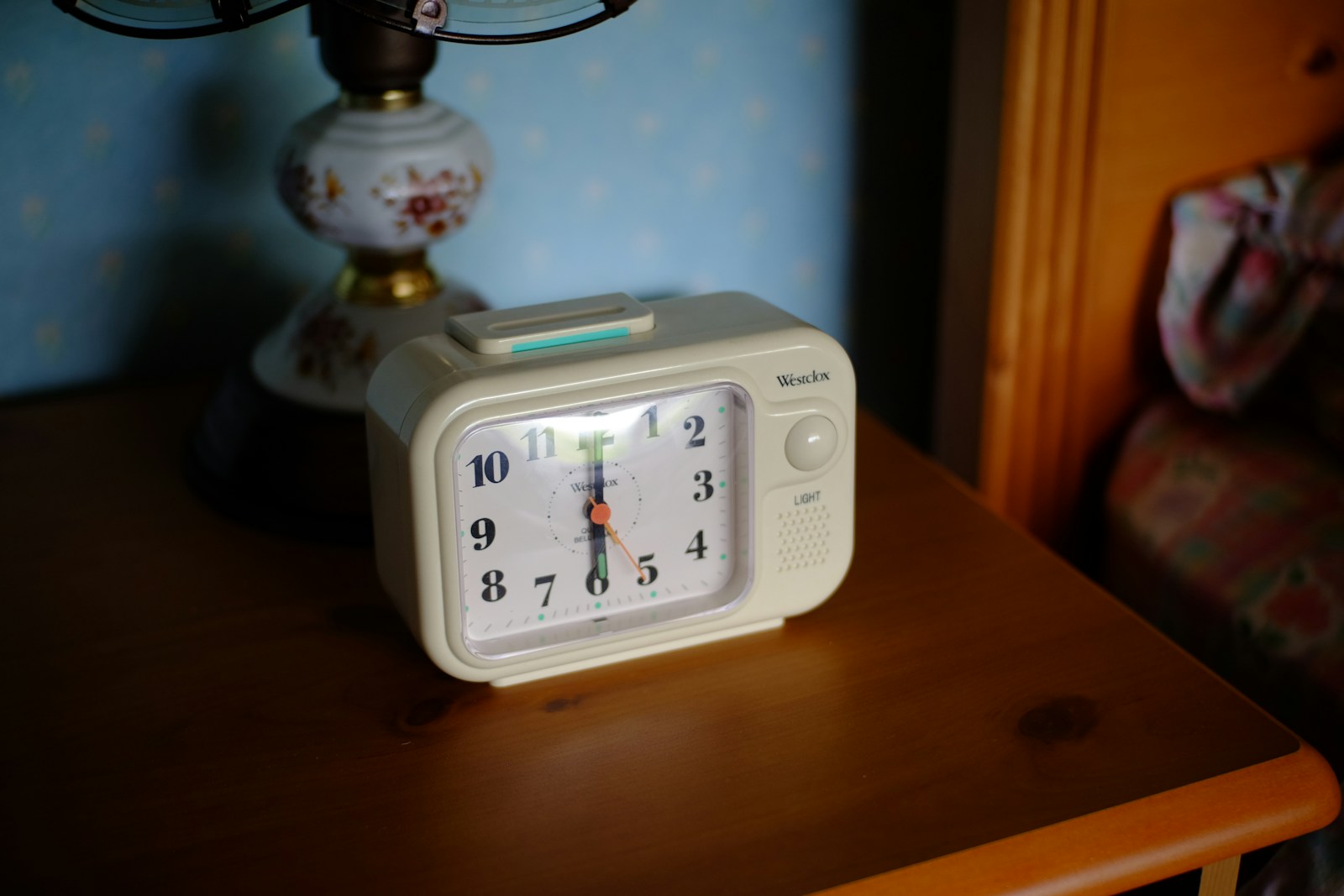
You’re about to take a quick trip back to a time when your pockets didn’t hold a screen and everyday tasks relied on analog tools and tactile rituals. This article challenges you to name ten items that once shaped daily life, from waking up to capturing memories and storing your files.
You’ll recognize more than a few of these items the moment you see them and maybe laugh at how different your routine used to be. Flip through the list and see which ones spark a memory, a story, or a surprising sense of nostalgia.
Rotary dial telephones
You probably remember placing your finger in a hole and waiting for the dial to swing back before the next number. It felt slow compared with today, but it taught patience and made every call deliberate.
If you misdialed, you had to start over — no backspace or redial button. The phones were sturdy, often heavy, and sat on kitchen tables or hallways as a household fixture.
Analog alarm clocks
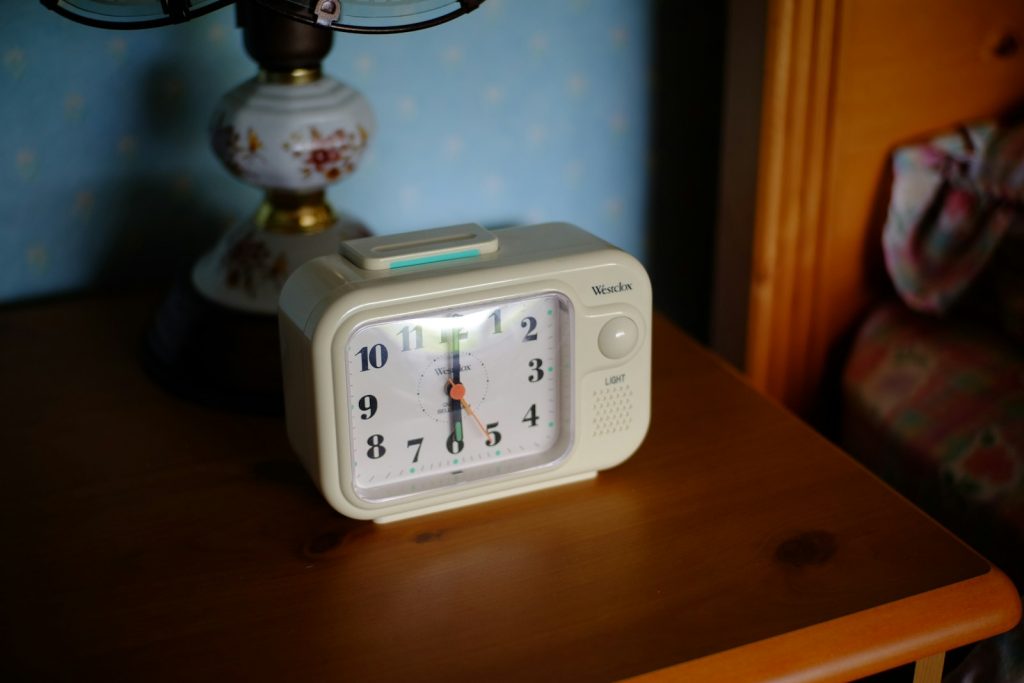
You probably remember the wind-up tick and the sudden bell that jolted you awake.
These bedside timers used mechanical gears and a spring you wound each night.
They didn’t rely on electricity, so power outages didn’t stop them.
Many people liked the simple, no-nonsense design and dislike of glowing screens.
Film cameras
You probably carried a chunky point-and-shoot or a manual SLR on family outings.
Loading 35mm rolls, winding the film, and waiting to see the prints taught patience—and gave photos a distinct look.
You learned basics like aperture and flash placement without apps.
Those cameras made everyday moments feel a bit more deliberate and tangible.
Typewriters
You probably remember the clack and ding of a typewriter in school or the office.
Those bulky machines dominated writing before computers made editing painless.
You fed paper by hand and used correction tape or white-out for mistakes.
Electric models from the late 70s and 80s eased the effort, but the ritual stayed the same.
Collectors now prize many portables and branded models you once saw in classrooms and homes.
Cassette tapes
You probably made mixtapes, recording songs off the radio or swapping tapes with friends.
Players like Walkmans let you carry your music, and car decks meant albums followed you on the road.
Blank tapes let you create custom playlists, one rewind or fast-forward at a time.
Magnetic tape degraded over decades, so many of those old recordings need digitizing to survive.
Floppy disks
You probably remember the 3.5-inch plastic squares that clicked when you inserted them into a drive.
They held small programs, documents, and the occasional game—typically up to 1.44 MB for the common ones.
You used them to boot systems, transfer files by “sneaker-net,” or save work before a crash.
They felt fragile but made sharing data easy long before USB drives and cloud storage.
Manual can openers
You probably had a small metal opener in a drawer or hanging by the stove.
They’re simple: clamp the wheel, turn the handle, and the lid peels off.
These openers were portable and reliable, great for camping or quick pantry use.
You didn’t need electricity, just a bit of elbow grease and steady hands.
Polaroid instant cameras
You probably remember the satisfying whirr and the white-bordered square that developed before your eyes.
Polaroids let you hold a finished photo minutes after you snapped it, perfect for parties and instant keepsakes.
These cameras were simple to use, so anyone could get decent shots without fuss.
Collectors and nostalgia fans still hunt for SX-70s and vintage models today.
Record players
You probably had a record player or knew someone who did. They were the centerpiece for albums, artwork, and that warm analog sound you still remember.
Putting a needle on vinyl felt deliberate; you had to flip the record, cue the groove, and live with the crackles. For many, that ritual made listening more social and intentional than today’s shuffle culture.
Slide projectors
You probably remember threading a circular tray, dimming the lights, and hearing the click as each 35mm slide flipped into place.
They made family vacations and classroom lessons feel cinematic, projecting real prints onto a wall or screen.
Using them meant handling fragile film and packs of slides, which felt quaint compared with digital photo files.
Still, watching your own photos blown up on a big screen had a special, low-tech charm.
More from Vinyl and Velvet:

Leave a Reply