

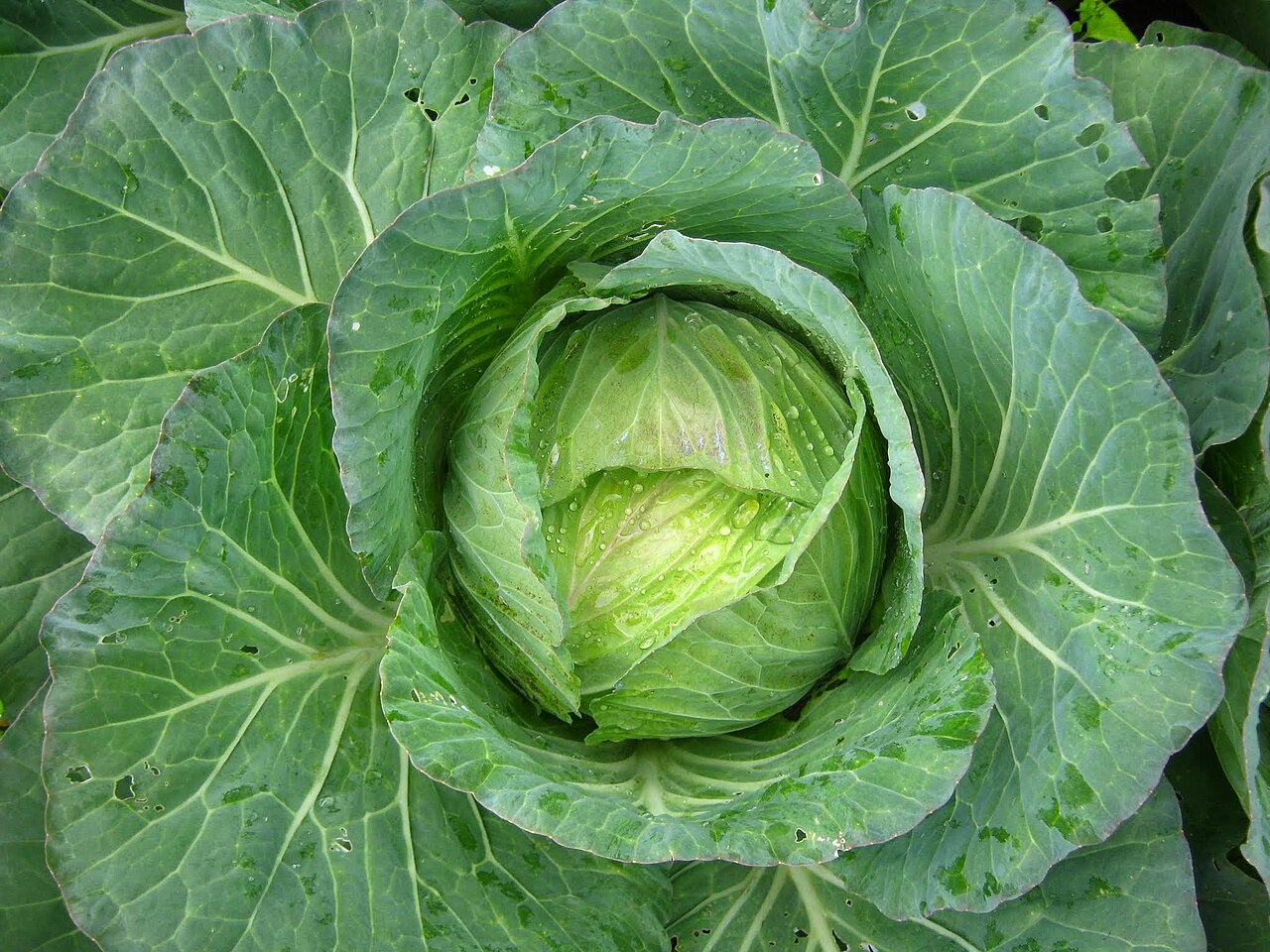
You’ll notice cabbage popping up on menus and kitchen counters more often—chefs and home cooks are finding creative ways to spotlight its texture and flavor. It delivers big nutrition for little cost, which is why nutrition experts say it “deserves the comeback.”
They’ll walk through how cabbage moved from humble side dish to fine-dining plates and everyday meals, and explain practical ways to add it to your cooking. Expect quick tips on flavor, preparation, and the specific health benefits that make cabbage worth trying this week.
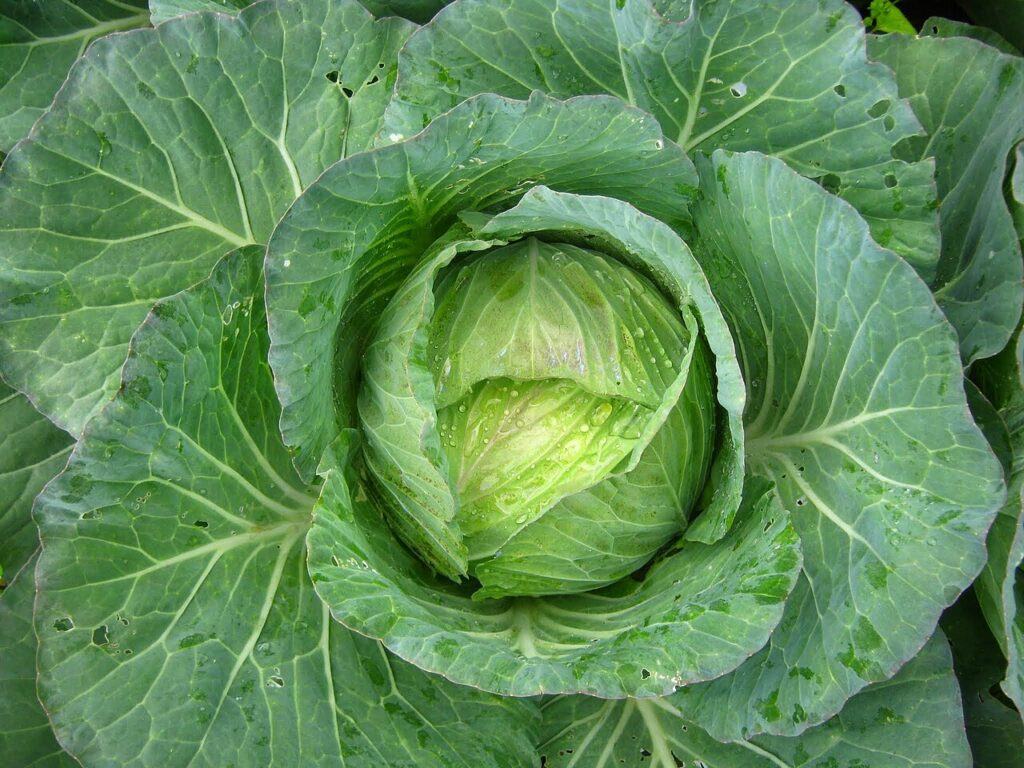
Cabbage’s Comeback: From Fine Dining to Everyday Meals
Cabbage now appears on tasting menus, in fast-casual bowls, and on weeknight plates because it meets chefs’ technical needs and home cooks’ budgets. Its texture, ability to take heat or ferment, and low cost make it useful across cuisines and cooking styles.
How Chefs Are Reinventing Cabbage in Restaurants
Chefs char whole wedges on a plancha to create smoky sweetness while keeping a crunchy core. They also braise halved heads slowly, then glaze them with brown butter or miso to add umami and richness without heavy meat stocks.
Some restaurants use cabbage as a vehicle for bold toppings — anchovy crumbs, fermented chili oils, or citrus-vinegar gastriques — turning a humble vegetable into an entrée component. Fine-dining kitchens press cabbage into cakes or layers for composed plates that highlight texture contrast.
Fermentation labs in restaurant kitchens produce house kimchis and sauerkrauts to add acid, probiotic interest, and a preserved flavor shelf life. Chefs mention cabbage’s yield — one head feeds many covers — which helps control food costs while allowing creative plating.
Popular Cabbage-Based Dishes Trending Now
Street-food okonomiyaki and Korean-style slaw have migrated into casual American menus, often topped with sauces like kewpie mayo or gochujang. Grilled cabbage wedges finished with lemon and toasted seeds serve as a low-cost side that still reads as elevated.
Whole-roasted cabbage with brown butter and herbs appears alongside roasted meats in tasting menus. Restaurants also feature cabbage rolls revisited with global fillings: lentils and tahini, spiced lamb, or fermented grain risottos.
Pickled red cabbage shows up on sandwiches and tacos for bright color and acid balance. Lastly, cabbage pancakes and fritters provide a vegetarian main that holds up under bold condiments.
Cabbage’s Role in Global Home Cooking
At home, families rely on cabbage for soups, quick sautés, and long-simmered stews because it stores well and resists spoilage. Many cooks shred it raw into salads for crunch, toss it into stir-fries for bulk, or ferment it in simple salt brines for kimchi and sauerkraut.
Home fermenting has become more accessible with short recipes that require minimal equipment and few ingredients. Cabbage also serves as a low-cost wrap, replacing tortillas or large lettuces in budget-conscious households.
Because it adapts to flavors — citrus, soy, caraway, vinegar — home cooks use it in weeknight recipes across East Asian, Eastern European, and Latin American traditions.
Reasons for the Surge in Cabbage’s Popularity
Affordability and season-long availability make cabbage attractive when food costs matter to both operators and families. It yields large portions per head, lowering per-serving costs compared with many vegetables.
Nutrition plays a role: cabbage offers fiber, vitamin C, and antioxidants that nutritionists highlight when recommending inexpensive nutrient-dense vegetables. Culinary trends favor minimal processing and big flavors, and cabbage can be raw, roasted, grilled, or fermented to achieve those profiles.
Finally, social-media-friendly preparations — charred wedges, colorful pickles, and stacked cabbage steaks — help the vegetable travel fast from restaurant plates to home feeds. For chefs and cooks seeking versatility, cabbage checks the boxes for taste, texture, cost, and visual appeal.
Health Benefits and Nutritional Power of Cabbage
Cabbage packs vitamin C, fiber, and plant compounds that support digestion, heart health, and immune function. Fermented forms add probiotics and raw or cooked cabbage provides low-calorie bulk that helps satiety and nutrient density.
What Nutrition Experts Are Saying
Nutrition experts point to cabbage as an inexpensive, nutrient-dense vegetable worth more attention than it gets. They highlight its role in increasing vegetable intake because it stores well, adapts to many cuisines, and appears in both raw slaws and fermented preparations.
Experts often emphasize cabbage’s phytochemicals—like sulforaphane in cruciferous vegetables—which laboratory studies link to cellular processes involved in cancer prevention. They also note practical benefits: half a cup cooked can deliver a substantial portion of daily vitamin C and vitamin K needs, which supports immunity and blood clotting respectively.
Dietitians recommend using cabbage as a simple swap to cut calories and boost fiber. They favor fermented options, such as kimchi or sauerkraut, for adding probiotics and improving gut microbial diversity when tolerated.
Key Vitamins and Minerals in Cabbage
Cabbage provides vitamins and minerals with meaningful quantities per serving.
- Vitamin C: supports collagen synthesis and immune response.
- Vitamin K: contributes to normal blood clotting and bone metabolism.
- Folate: important for DNA synthesis and maternal health.
- Potassium and magnesium: help regulate blood pressure and muscle function.
A typical serving (about 1 cup raw or ½ cup cooked) contains low calories and around 2 grams of fiber, which promotes regularity. Red and purple varieties deliver extra anthocyanins and polyphenols; these antioxidants reduce inflammation in laboratory and some population studies. Cooking method affects nutrient retention: quick steaming preserves more vitamin C than long boiling, while fermenting enhances bioavailability of certain nutrients.
Cabbage as a Versatile Ingredient for Healthy Eating
Cabbage works across cooking methods and dietary patterns, making it easy to add nutrients without much effort.
- Raw: shredded in salads and slaws for crunch and vitamin C.
- Fermented: kimchi and sauerkraut add probiotics and savory umami.
- Cooked: roasted, braised, or sautéed as a low-calorie side or main-ingredient base.
It substitutes for higher-calorie ingredients—use leaves for wraps instead of tortillas or add bulk to soups to increase fiber per serving. For people on blood-thinning medication, experts caution to keep vitamin K intake consistent rather than eliminating cabbage. Those with sensitive digestion should start with small portions or cook cabbage well to reduce gas-producing compounds.
More from Vinyl and Velvet:

Leave a Reply