

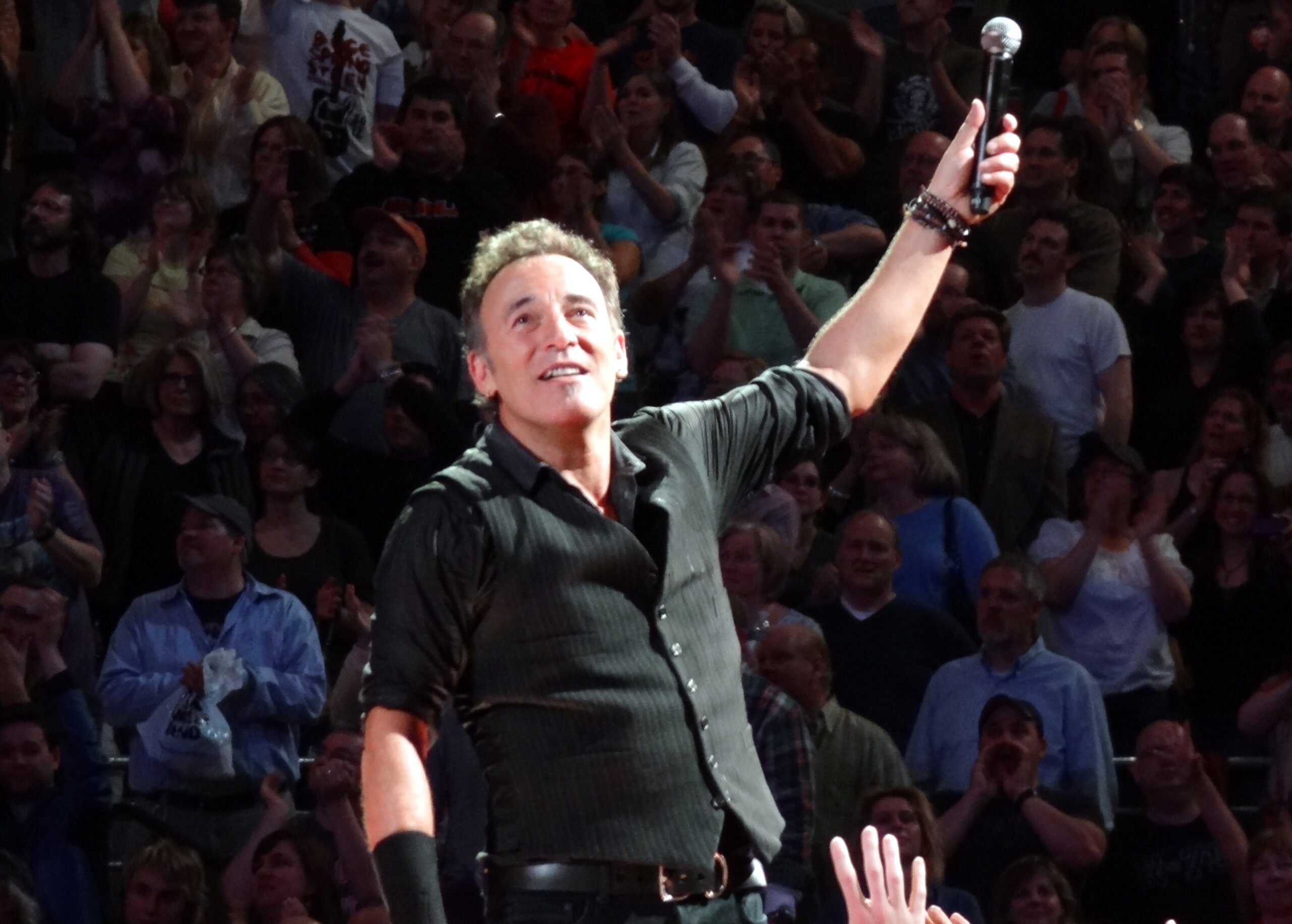
Bruce Springsteen has never been shy about politics, but his new track “Streets of Minneapolis” lands like a direct challenge to President Donald Trump and the federal immigration machine. The song, a raw, mid‑tempo protest cut, calls out Immigration and Customs Enforcement by name and paints the agency as an occupying force in a city already on edge. It is both a tribute to people killed in ICE operations and a warning shot at a White House that Springsteen clearly believes has turned state power into something darker.
Built around a stark narrative of winter streets, flashing lights, and gunfire, “Streets of Minneapolis” folds real‑world names and details into its story. Springsteen is not just venting, he is documenting, stitching together the death of Renee Nicole Good, the outrage in Minneapolis, and his long‑running feud with Trump into one of the most overtly political songs of his career.
The spark in Minneapolis
The emotional core of “Streets of Minneapolis” is the killing of Renee Nicole Good, a 37-year-old woman shot by an ICE agent during an operation in Minneapolis earlier this month. Reporting on the case describes how the Jan. 7 fatal shooting of the 37-year-old Renee Nicole Good by an ICE officer in Minneapolis was captured on video, turning a routine immigration raid into a national flashpoint and fueling protests that shut down streets and drew local officials into a bitter fight over federal power in the city. Springsteen’s song leans into that atmosphere, treating Minneapolis not as a backdrop but as a symbol of how immigration enforcement can turn deadly in neighborhoods that already feel heavily policed.
In the lyrics, he threads in the names of Renee Nicole Good and Alex Pretti, placing them alongside images of sirens and snow to underline that these are not abstract policy debates but human losses tied to specific streets and families. Coverage of the song notes that he explicitly dedicates the track to Minneapolis and to people like Renee Nicole Good who were killed during ICE operations, with one detailed breakdown of the story behind the song highlighting how the Jan. 7 shooting of Renee Nicole Good and the death of Alex Pretti became the narrative spine of the track, right down to the way he sings their names over the final chorus.
Inside the lyrics of “Streets of Minneapolis”
Musically, “Streets of Minneapolis” sits in classic Springsteen territory, but the language is sharper and more accusatory than many of his recent releases. Early in the song he opens with a cold, cinematic line, “Through the winter’s ice and cold, down Nicollet Avenue,” immediately dropping listeners into a specific Minneapolis corridor that locals know as a downtown artery lined with bars, bus stops, and office towers. A lyric sheet shared alongside the release shows how he keeps returning to that setting, describing a “city aflame” that is fighting “fire and ice,” a phrase that doubles as a reference to the weather and to ICE agents moving through the streets.
Later verses get even more explicit, with Springsteen describing officers who say they are “here to uphold the law” while residents hear only “whistles and phones” and the crack of gunfire. A detailed look at the full lyrics notes that he uses the phrase “Streets of Minneapolis” as a kind of refrain, circling back to Nicollet Avenue and other landmarks as he contrasts official justifications with the fear felt by people on the ground, and that he leans on simple, repeated images to make the song feel like a march as much as a ballad.
Taking aim at Trump and ICE
If there was any doubt about who Springsteen is blaming, he clears it up in the chorus and in the spoken outro, where he rails against what he calls “King Trump’s private army” and leads a chant of “ICE Out Now.” One report on the song’s debut notes that he wastes no time tying the killings of Alex Pretti and Renee Nicole Good to the broader climate created by Donald Trump and the administration’s aggressive immigration crackdown, framing ICE as an extension of presidential power rather than a neutral law enforcement agency. Another account of the release describes how he positions the track as an anti‑ICE anthem, directly calling out the agency by name and accusing it of bringing “state terror” to American cities.
Springsteen has been critical of Trump for years, but this song feels like an escalation, with some coverage pointing out that he refers to Trump as “King Trump” in the lyrics and treats ICE as a “private army” unleashed on places like Minneapolis. A detailed feature on the protest track notes that he is the latest major artist to drop a surprise release aimed squarely at Trump and ICE, and that the song’s rollout was framed as a response to “state terror being visited on the city,” language that underscores how he sees the killings of Alex Pretti and Renee Nicole Good not as isolated tragedies but as the predictable result of a policy agenda coming from the White House.
How the song landed with fans and critics
The reaction was immediate and intense, both from longtime fans who have followed Springsteen’s political turns and from people in Minneapolis who saw their city suddenly immortalized in a national protest song. A widely shared Instagram post captured the mood, calling it one of the most politically charged tracks of his career and noting that Bruce Springsteen took aim at Trump and ICE with a smoldering protest cut that arrived without warning but felt like it had been building for years. Early write‑ups from music reporters echoed that sentiment, describing the song as an ICE protest track that leans into phrases like “Army” and “State Terror” and pointing out that it fits into a long tradition of Springsteen using his platform to amplify local struggles.
Entertainment outlets that cover both politics and pop culture zeroed in on the way he name‑checks Donald Trump and ICE in the same breath, with one analysis of the new protest song stressing that Bruce Springsteen’s “Streets of Minneapolis” takes aim at Donald Trump and ICE in unusually direct language, and another noting that he has already spoken out about immigration enforcement at earlier shows in Minneapolis before deciding to put those views into a studio track. A separate overview of the release framed it as part of a wave of artists responding to the current climate, while a news segment on the song highlighted how Springsteen slams ICE and Trump in a dedication to Minneapolis that explicitly references an immigration crackdown operation in the city.
Why “Streets of Minneapolis” matters in Springsteen’s catalog
For a songwriter whose catalog already includes “Born in the U.S.A.,” “American Skin (41 Shots),” and “The Rising,” it takes a lot for a new track to feel like a major political statement, but “Streets of Minneapolis” is already being talked about in those terms. One early review described it as an ICE protest song that ranks among his most overtly political work, while an industry‑focused breakdown of the release emphasized that Bruce Springsteen Releases New Song “Streets of Minneapolis” in Response to “State Terror Being Visited on the City,” language that underlines how he sees the track as part of a broader fight over what kind of country the United States is becoming. Another outlet that covers daily political headlines flagged the song in its coverage of Minnesota, noting that Bruce Springsteen Releases New Song “Streets of Minneapolis” as part of a wider conversation about federal power in the state.
More from Vinyl and Velvet:

Leave a Reply