

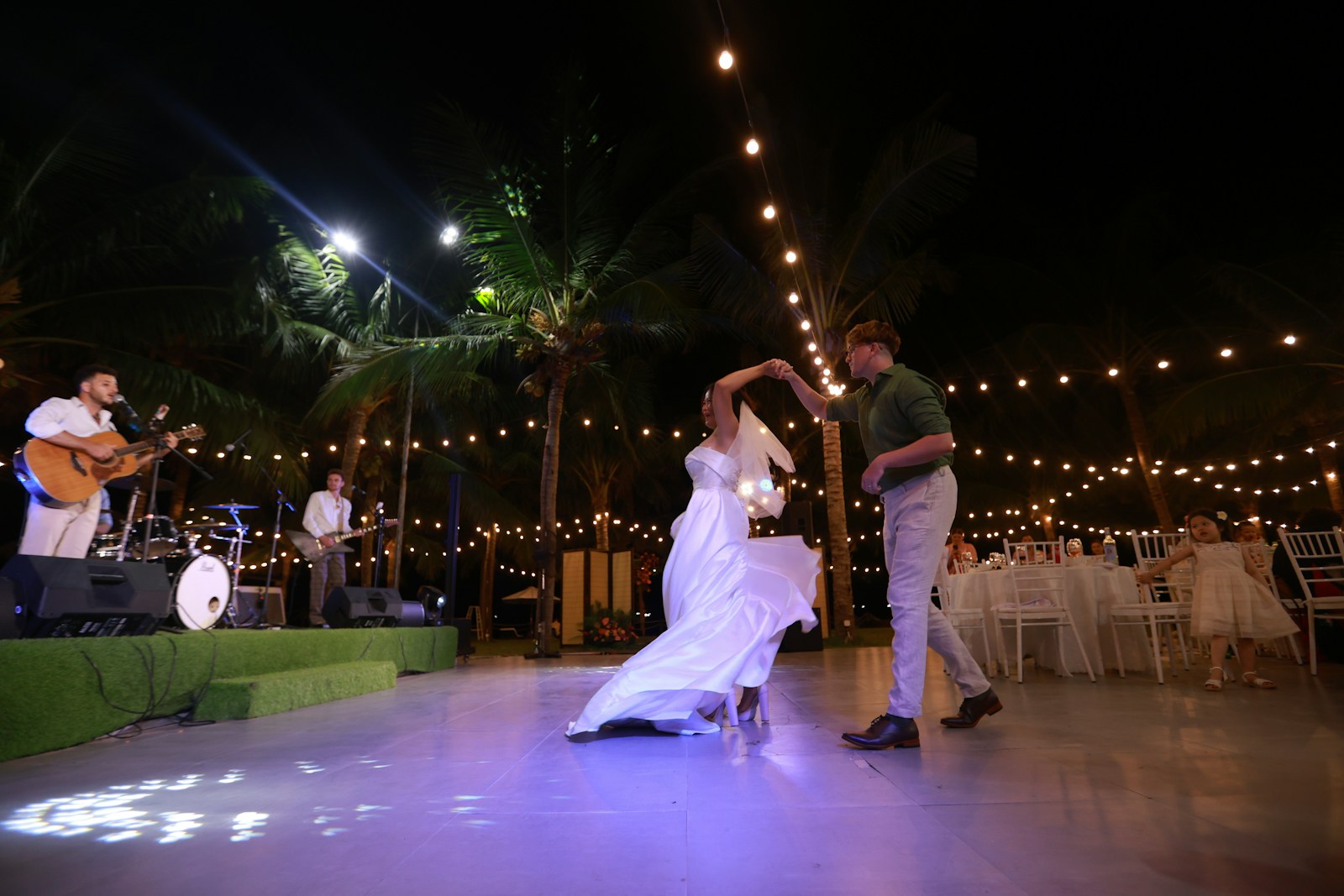
You’ll recognize the moment as soon as you see it: a bride pauses mid-dance, secures her nebulizer and airway-clearing vest, then keeps smiling as the party goes on. The clip went viral because it captures something rare — a public celebration that includes essential medical care without halting joy or connection.
She shows that a chronic illness can be handled openly and joyfully, turning a private treatment into a powerful act of normalizing care and inspiring millions.
This post previews how the wedding moment unfolded, why it struck a chord online, and how one couple’s choice sparked wider conversations about visibility, resilience, and adapting life’s milestones around health needs.
The Viral Wedding Moment: Pausing for Lung Treatment
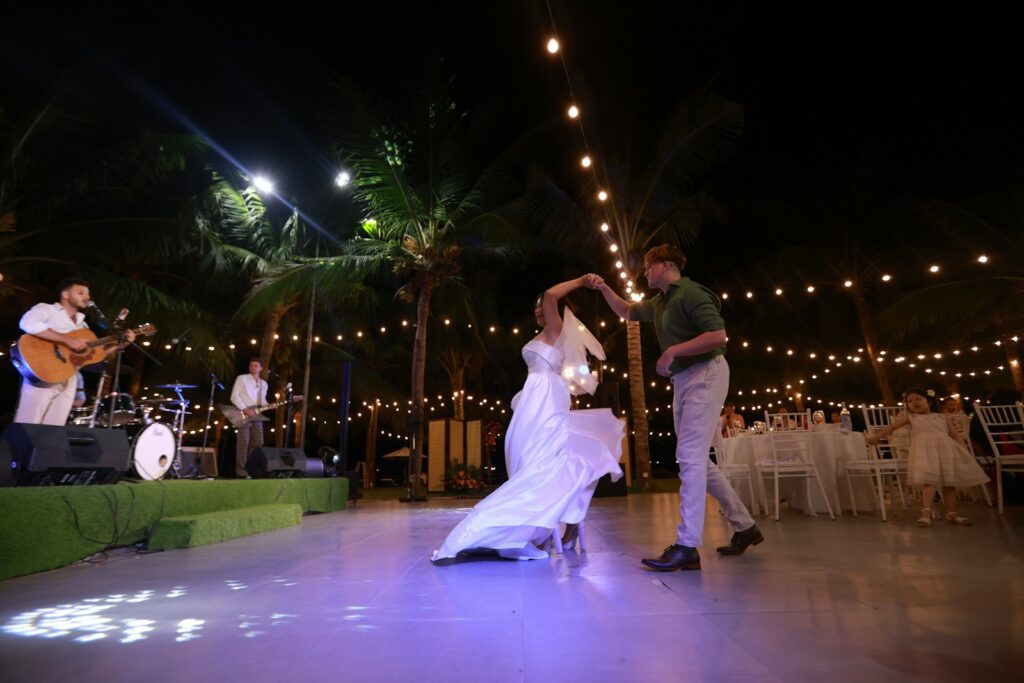
A bride stopped mid-dance to do a prescribed airway treatment, then kept dancing with the device in place. The moment blended routine medical care with celebration and showed practical ways to manage breathing symptoms in public.
How the Dance Happened
Dannika chose to do her nighttime lung clearance treatment during the reception so it wouldn’t interrupt other parts of the wedding. She put on a high-frequency chest wall oscillation (HFCWO) vest over her dress and kept a nebulizer mouthpiece in while moving with guests, turning the therapy into part of the party atmosphere.
Guests largely understood and either joined her or watched supportively, which reduced stigma and made the moment feel normal rather than clinical.
The sequence was straightforward: finish a set before dinner, return to dance, then start the second-round therapy when timing and energy felt right. That planning allowed her to maintain treatment cadence without missing key reception milestones like first dance or speeches.
The viral clip shows how small logistical choices—where to sit, who helps with tubing, and keeping an inhaler nearby—can make on-the-spot treatments socially smooth.
Managing Shortness of Breath and Wheezing
Shortness of breath and wheezing are common in cystic fibrosis when mucus narrows airways or when infection flares. Dannika appeared to rely on paced breathing and the airway-clearing vest to reduce mucus load, which helps lessen wheeze intensity during exertion like dancing.
She also kept activity moderate between therapy cycles to avoid sudden breathlessness.
Practical tactics used in crowded settings include stepping to the side of the dance floor, signaling a friend to assist, and using a chair for recovery if breathing worsens. These quick adjustments help prevent escalation and let someone resume festivities sooner.
Recognizing early signs—chest tightness, faster breathing, or audible wheeze—prompted timely use of therapies rather than waiting until symptoms peak.
Using an Inhaler and Lung Therapy Mid-Celebration
An inhaler (short-acting bronchodilator) can open airways within minutes and is often carried for immediate relief. At the wedding, she kept an inhaler accessible for quick relief before or after the vest session. This stepped approach—bronchodilator first, then airway clearance—maximizes mucus mobilization and reduces discomfort during activity.
Nebulized medications or a handheld inhaler both play roles depending on the prescription; the nebulizer delivers saline or medications that loosen secretions over a longer session.
Combining devices requires practical prep: charged battery for the vest, extra tubing, spare inhaler, and a discreet stash place like a clutch or helper’s pocket. That preparation supports creativity in integrating therapy into celebrations without dominating them.
Staffing a trusted friend as a “treatment buddy” helps manage timing, carry gear, and monitor breathing signs so the person can focus on dancing and enjoying the moment.
Inspiration and Impact: How One Bride Motivated Millions
She danced through her reception while using a nebulizer and shared the clip on social media, turning a personal health routine into a public moment of resilience. The footage highlighted individual determination, close family support, and a creative approach to blending treatment with celebration.
Attitude and Motivation in Facing Health Challenges
Dannika’s choice to complete her lung treatment mid-dance shows a practical, determined attitude toward cystic fibrosis. She prioritized adherence to her breathing therapies while choosing to participate fully in the wedding rituals, demonstrating how routine care and life milestones can coexist.
Her motivation stemmed from wanting to enjoy the day without compromising health. By posting the video, she also reframed chronic-care tasks as normalized parts of life, which encouraged viewers with CF to stay consistent with treatments and gave non-CF viewers a clearer view of daily management.
Comments and shares amplified the message that small, disciplined acts—doing a nebulizer session, using an airway clearance vest—can preserve long-term health and enable more meaningful experiences. That practical demonstration affected audiences more than abstract encouragement alone.
Strengthening Family Relationships Through Adversity
Family presence during the treatment moment mattered. Guests who cheered and danced alongside her provided visible emotional support, turning a clinical task into a shared, affirming event. That public encouragement reinforced bonds and showed how caregivers and loved ones can participate without disrupting celebration.
The bride framed treatments as acts done for loved ones and future family members, which shifted the narrative from burden to responsibility. That perspective helped relatives see daily medical routines as investments in more time together, not just personal chores.
Several commenters on social platforms noted how witnessing supportive reactions—smiles, clapping, inclusion—modeled practical ways families can react: normalize treatments, offer help when needed, and celebrate rather than pity.
The Power of Creativity in Memorable Wedding Moments
Integrating a nebulizer session into a first dance required simple creativity and planning. She scheduled morning and reception treatments, chose a portable device, and kept choreography flexible so she could move and connect with guests while using the equipment.
This approach shows that creative problem-solving—adapting logistics, choosing accessible locations on the dance floor, and communicating needs with vendors—can preserve both medical routines and ceremony flow. Small adjustments prevent interruptions from becoming isolating.
Other couples and attendees took note: creative accommodations like this provide a template for inclusive events, helping people with chronic conditions participate fully while maintaining necessary care routines.
More from Vinyl and Velvet:

Leave a Reply