

Brian Austin Green is revisiting a relationship he once kept in the shadows, revealing that Tichina Arnold asked him to hide their romance and that the secrecy left a lasting mark on his sense of self. The former Beverly Hills, 90210 star says the experience “triggered something” in him, forcing him to confront how race, fame and insecurity collided in his twenties. His account has reopened a conversation about what it means to love across racial lines in Hollywood, and what happens when private fears dictate public choices.
Green’s reflections, and Arnold’s own reputation as a fiercely grounded sitcom veteran, have also prompted fans to reassess a chapter of 1990s TV history that played out entirely offscreen. Their story is not just a bit of nostalgic gossip, but a window into how personal relationships are shaped by the pressures of representation, audience expectations and the politics of who gets seen with whom.
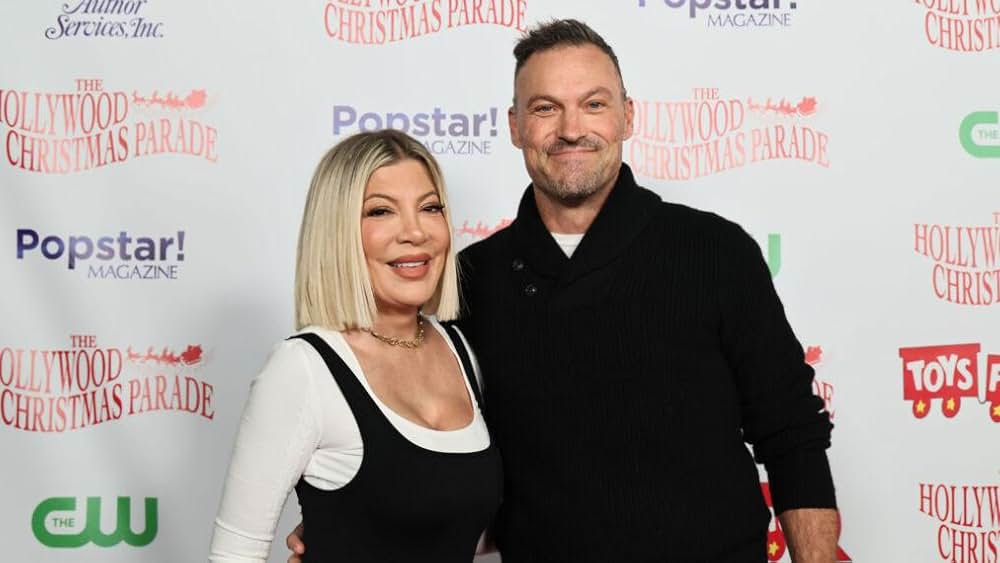
The secret 90s romance that stayed off camera
At the center of Green’s revelation is a relationship that unfolded when both he and Arnold were rising stars on defining television shows of the 1990s. Brian, now 52, says he and Martin actress Tichina Arnold, who is 56, dated in their twenties at a time when his teen idol status and her breakout as a sitcom powerhouse made them fixtures in very different corners of pop culture. He describes the connection as a “secret but real love,” a bond that felt serious even as it remained invisible to the audiences who knew them from Beverly Hills, 90210 and Martin, and he has emphasized that the feelings were genuine even if the relationship was hidden from view.
Green has recalled that the romance was not a casual fling but a meaningful partnership that unfolded away from red carpets and tabloid cameras. He has spoken about how the two navigated their careers while keeping their personal lives separate from the public personas that made them famous, a choice that he now frames as both protective and painful. Fans who later learned that Brian Austin Green had been together have echoed his description of a relationship that was emotionally real even if it was never publicly acknowledged.
“It triggered something”: how secrecy shaped his self-esteem
Green has been explicit that the decision to keep the relationship hidden did not come from him, saying Arnold made it clear she wanted their romance off the radar. He has described being told that their pairing would not be accepted, and that he should not be seen with her in public in a way that signaled they were together. That directive, he says, “triggered something” in him, planting doubts about his own worth and leaving him feeling as if he was not good enough to stand beside her in the open. The secrecy, framed as a protective measure, instead became a source of confusion and hurt that lingered long after the relationship ended.
Looking back, Green has connected that period to a broader pattern of insecurity, saying that being asked to hide contributed to a long-running struggle with self-esteem. He has spoken about how the experience chipped away at his confidence and sense of belonging, particularly in spaces where he already felt out of place as a young actor navigating fame. In recounting the story, he has emphasized that the emotional fallout was not abstract, but a concrete shift in how he saw himself, a shift he has linked directly to the way he was asked to manage the relationship in secret and to the way self esteem and were affected.
Race, legacy and the pressure of public perception
Green has also tied the secrecy to explicit conversations about race and legacy, recounting a striking line he says he heard about how his future would be perceived. According to his account, he was told, “You’re going to share your riches and your legacy with someone white, so I’m getting off this train,” a statement that framed their relationship as a zero-sum choice between personal happiness and communal expectations. That sentiment, he says, underscored the racial dynamics that surrounded their romance, suggesting that being with him would be seen as a betrayal by some in Arnold’s world and that the safest option was to keep their connection hidden or walk away entirely.
However, Brian has disputed the idea that this perspective fully captured what was happening between them, pushing back on the notion that their story can be reduced to a single quote or a simple narrative about racial loyalty. He has suggested that the pressures they faced were more layered, involving not only race but also the demands of fame, the expectations placed on young stars and the fear of backlash from audiences who were not ready to see them together. In reflecting on that period, he has framed the relationship as a case study in how interracial couples in Hollywood have had to navigate both personal feelings and the weight of public perception, a tension that he believes shaped the choices they made and the way Brian Austin Green now interprets those years.
Tichina Arnold’s career, image and fan reaction
For many viewers, the revelation that Arnold once dated Green in secret has prompted a fresh look at her long career and public image. The Neighborhood actress Tichina Arno, widely known for her work on Martin and later sitcoms, has built a reputation as a sharp comedic presence with a strong sense of self, and fans have been quick to reconcile that persona with the idea of a relationship that was never publicly claimed. Coverage of the story has highlighted how she has “always had my back,” in Green’s words, suggesting that whatever tensions existed around secrecy did not erase the support and care she showed him at the time.
As the story has spread, social media users have weighed in on what it reveals about the era and about Arnold herself, with some expressing sadness that the couple felt they could not be open and others focusing on the broader reality that racism in America is real and shapes intimate choices. Commenters have pointed to the way Tichina Arnold has navigated her career, often portraying strong, outspoken women, and have contrasted that with the vulnerability implied by a romance that stayed hidden. The reaction underscores how invested audiences remain in the personal histories of the stars who shaped their television memories.
Reframing the past: podcasts, clips and fan debates
Green’s decision to speak openly about Arnold now has unfolded across multiple platforms, from long-form podcast conversations to short social clips that have circulated widely. In one discussion, he revisited the relationship in detail, explaining how she made him keep it hidden and how that choice reverberated through his later life, a story that has been amplified by fans sharing excerpts and commentary. A clip highlighting how Brian, 52, revealed the secret romance with Martin star Tichina Arnold, 56, has circulated alongside posts that frame his reflections as part of a broader reckoning with the emotional costs of fame.
Short-form video has played a particular role in shaping the narrative, with one reel summarizing his claim that she forced him to keep the relationship secret and inviting viewers to weigh in on who was right or wrong. The caption, which notes that he is “looking back with clarity, not regret,” has helped position the story as a mature reflection rather than a grievance, even as it sparks debate about accountability and context. As users on platforms like Reddit dissect the account, threads have emerged in which Brian Austin Green is both praised for his honesty and questioned about how his version of events intersects with Arnold’s perspective, which has not been fully aired in the same way.
Supporting sources: #BrianAustinGreen recently opened.
More from Vinyl and Velvet:

Leave a Reply