

Blake Lively and Taylor Swift have long been held up as a modern celebrity fairy tale, the movie star and the pop powerhouse trading inside jokes, holiday photos and onstage cameos. Newly released private messages now show that behind the curated moments, their bond has been quietly reshaped, with both women naming a “shift” in how they show up for each other. The texts, unsealed as part of Blake Lively’s legal fight with director Justin Baldoni, trace a friendship moving from ride‑or‑die intensity to something more cautious and, at times, painfully honest.
What emerges is not a simple breakup but a recalibration. Taylor Swift and Blake Lively are still talking, still trying, yet they are also spelling out hurt feelings, mismatched expectations and the pressure of living inside overlapping storms of fame, litigation and public opinion. Their private words, now public, read like a case study in how even the closest friendships can bend under extraordinary strain.
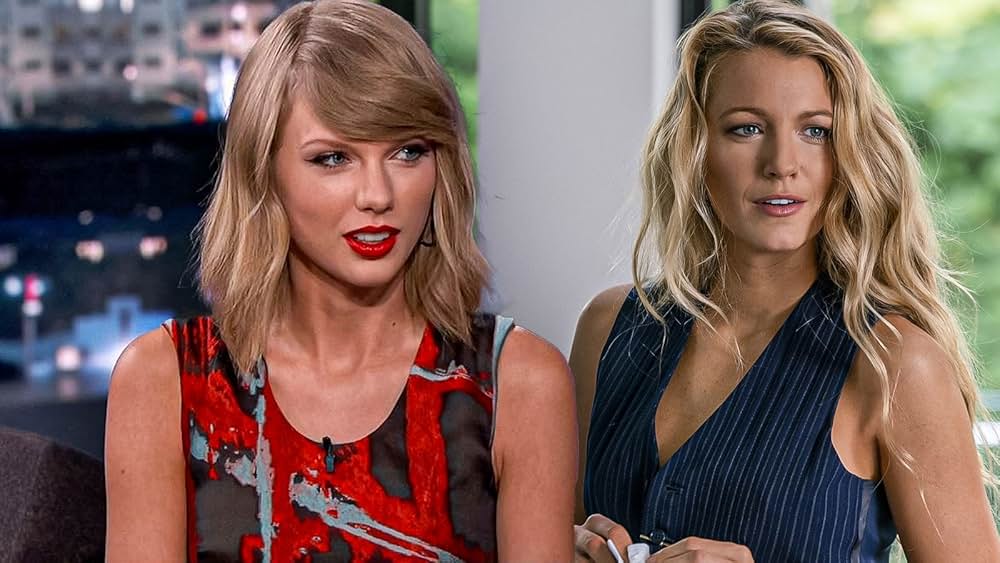
The “dragon” era and the slow cooling
For years, Taylor Swift cast herself as Blake Lively’s protector, the friend who would turn into a “defensive dragon” whenever Blake felt under attack on the set of It Ends With Us. Reporting on How Taylor Swift describes how she rallied when Blake Lively felt the filming of Ends With Us was going off the rails, positioning herself as a buffer between Blake and Justin Baldoni of Wayfarer. That protective posture deepened when Lively, according to Next, later accused Justin Baldoni of sexual harassment and gender discrimination, a move that would eventually spill their text history into court.
Yet even before the lawsuit, there were signs of distance. In mid‑2025, sources claimed Taylor Swift had effectively “ditched” Blake Lively, saying She would “forever be furious” over perceived betrayals, a far cry from the earlier image of inseparable best friends. Later coverage of their Taylor Swift and Blake Lively dynamic framed it as a friendship that had gone from constant contact to something “distanced,” with Taylor privately telling friends that Lively was not acting like the person she once trusted.
By early 2026, that cooling had become explicit inside their own messages. In one exchange described in detail, Swift told Lively that she felt her friend was speaking as part of a collective rather than as an individual, saying Lively had used the word “we” repeatedly and that it made her feel like a “mass corporate email” recipient rather than a confidante. That line, cited in Swift, captures how the singer felt pushed to the outskirts of decisions around the film and the lawsuit. At one point she even suggested that she and Lively were “more distanced emotionally than we are geographically,” a stark admission for two women who once spent holidays together with their families.
Inside the texts: a friendship under legal and emotional pressure
The texts that have now surfaced did not leak through gossip, they arrived via the formal machinery of a lawsuit. Taylor Swift’s messages with Blake Lively were unsealed in court filings tied to Blake’s case against Justin Baldoni, who is identified as the director and co‑star of It Ends With Us. Coverage of those Taylor Swift exchanges notes that they were entered into evidence as part of a broader narrative about how Blake Lively tried to navigate alleged misconduct on set and the fallout that followed. Newly unsealed legal documents, highlighted in an Newly shared court summary, describe how Blake Lively and Taylor Swift privately dissected the case, their careers and the state of their relationship.
In those messages, Blake shared her concerns directly to Taylor about their friendship, acknowledging that the bond was “not what it once was,” a phrase echoed in a detailed breakdown of Blake Lively messages. She told Swift she understood how “busy and taxed” the singer was, but she also wanted to “make sure you know I am here,” a sentiment captured in coverage that notes how Lively tried to balance empathy with a plea not to be sidelined. The tone is careful, almost surgical, as if both women know every word might someday be read by strangers.
Swift, for her part, admitted that the way she was texting did not sound like her real voice. In one key message, she wrote, “So yeah, I’ve been texting like I’m writing. Not like me talking. I didn’t realize that until you pointed it out, but I see it,” a line quoted in a piece on how Not her usual conversational style had crept into their chats. That self‑awareness sits alongside flashes of the old banter. When Blake sent a long, vulnerable paragraph, Taylor replied, “First paragraph took me OUT,” to which Lively joked, “If only I sent you the unplugged version,” adding a skull and crossbones emoji, an exchange reproduced in a full transcript of what Taylor said took her “OUT.”
From “shift” to survival mode: what the messages really show
More from Vinyl and Velvet:

Leave a Reply