

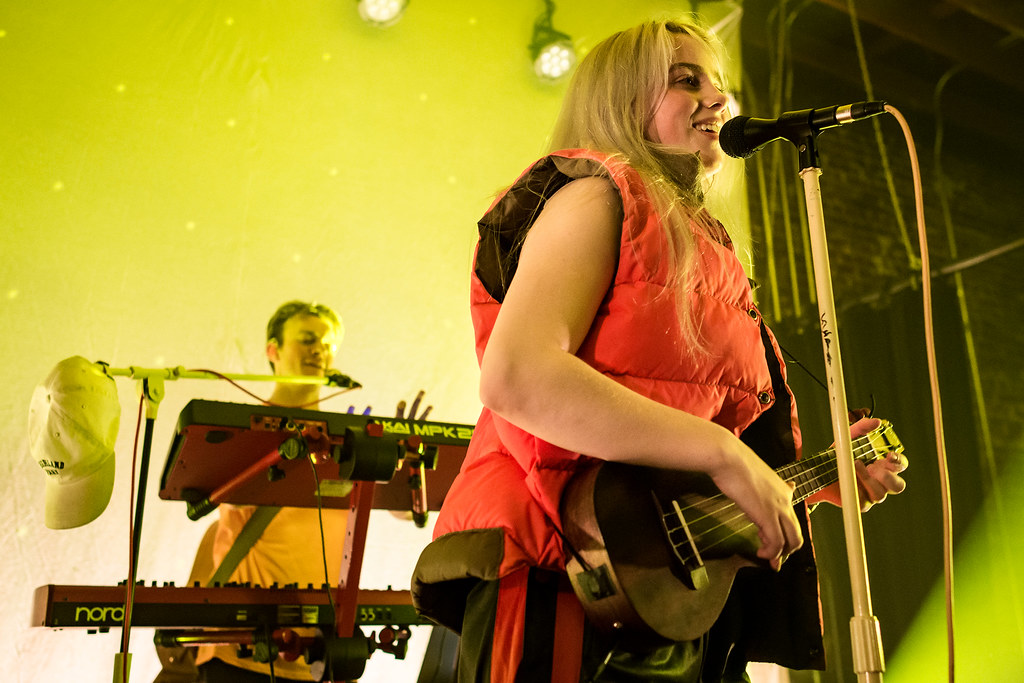
Billie Eilish’s Anti-ICE Grammy Speech Highlights
Billie Eilish used her Song of the Year acceptance to make direct political remarks, name-check specific targets, and echo ongoing protest messaging. The speech combined a pointed line about land and a profane denouncement of ICE, delivered amid visible protest pins and a charged audience at the Crypto.com Arena.
What Billie Eilish Said On Stage
Eilish accepted the Song of the Year trophy for “Wildflower,” credited alongside her brother and collaborator Finneas O’Connell. She thanked peers and briefly acknowledged nominees, then shifted from routine thanks to political commentary during her few onstage sentences.
She declared that “no one is illegal on stolen land,” a line that framed immigration as tied to Indigenous dispossession. She also said, plainly, “f— ICE,” a phrase that drew audible reaction in the room and was consistent with other artists’ onstage remarks that night. The remarks came while many attendees displayed “ICE Out” pins and followed similar statements by acts such as Bad Bunny and Kehlani.
‘No One Is Illegal On Stolen Land’: Context and Meaning
The “stolen land” phrase connects immigration policy critiques to settler-colonial history and Indigenous land claims. Eilish’s wording invoked that broader historical frame rather than focusing only on current enforcement tactics, which made the comment resonant and controversial.
Indigenous groups and commentators swiftly responded, noting that modern celebrity residents may live on ancestral territories. The line also aligned with activist messaging seen at other events and in grassroots protests, where “no one is illegal” functions as both a slogan and a political claim about borders, sovereignty, and human rights.
The ‘F-ck ICE’ Statement and Protest Messaging
The explicit “f— ICE” remark targeted the federal agency Immigration and Customs Enforcement and echoed months of public criticism after high-profile enforcement actions. Eilish had previously criticized ICE publicly, and the Grammy moment amplified that stance to a large mainstream audience.
Her statement fit into a wider pattern at the awards, where artists used their platform for immigration-related protest. The remark prompted backlash labeling her hypocritical by some commentators, while supporters framed it as solidarity with migrants and victims of enforcement. The choice of language intensified media coverage and online debate.
Immediate Backlash and Social Media Responses
Billie Eilish’s Grammy remarks sparked rapid reaction across politics, media, and social platforms. Critics targeted her anti-ICE line and “stolen land” phrasing, while commentators and online users turned the moment into memes, fundraising stunts, and calls for symbolic restitution.
Political and Celebrity Critics Speak Out
Several politicians and commentators publicly criticized Eilish. Sen. Mike Lee tweeted that public “stolen land” acknowledgments should be followed by giving land to Native Americans, using the moment to question the sincerity of celebrity statements. Republican figures aligned with Ron DeSantis framed the speech as cultural posturing that conflicted with conservative views on immigration enforcement.
Media personalities amplified the critique. Fox News segments and right-leaning columnists highlighted the contrast between Eilish’s rhetoric and her wealth, citing her high net worth and expensive properties. British commentator Julia Hartley-Brewer called the remarks foolish, and some pundits invoked former President Donald Trump to argue the comments fed partisan narratives ahead of elections. A few celebrities defended her, but high-profile pushback from political figures set the tone for much of the mainstream coverage.
Viral Social Media Reactions and Memes
Social platforms exploded within hours. X and TikTok trended clips of the speech clipped to sarcastic captions, with memes focusing on the “no one is illegal on stolen land” line. Users mixed anger, mockery, and satire; some remixed the line into image macros and short-form video skits that spread rapidly.
Replies and quote-tweets often contrasted the speech with photos of Eilish’s properties or luxury lifestyle, emphasizing perceived hypocrisy. Influencers and reaction accounts curated compilations that drew millions of views, feeding news cycles. A smaller but vocal group used the platforms to defend her stance on ICE and immigration, creating counter-hashtags and fundraising appeals supporting migrant rights.
The Mansion Controversy: Calls to ‘Hand Over the Keys’
Public critics suggested symbolic remedies, urging Eilish to “hand over the keys” to her Malibu beachfront home or Southern California mansion. Social posts showed her Los Angeles properties alongside captions demanding she relinquish them as proof of sincerity. The narrative focused on her reported net worth and high-end real estate purchases to frame the speech as out of step with her personal holdings.
This framing appeared in right-leaning outlets and opinion pieces, which argued that wealthy celebrities issuing moral pronouncements should match words with tangible actions. The demand became performative rhetoric more than a realistic legal claim, but it successfully amplified doubts about authenticity in many readers’ minds. The controversy also prompted discussions about celebrity activism norms and what constitutes meaningful reparative action.
Role of Fundraising and Public Stunts
The backlash inspired real-world stunts and fundraising attempts. An activist created a crowdfund to “move into” Eilish’s Malibu property, claiming the stunt would dramatize the “stolen land” message; platforms removed or migrated the fundraiser amid policy scrutiny. Other organizers launched counter-campaigns raising money for migrant aid and Indigenous causes, using the attention to direct funds rather than escalate confrontations.
Publicity-driven actions pressured platforms and payment processors to decide whether to host such campaigns. The episodes highlighted how viral controversies quickly translate into attempted real-world interventions, and how crowdfunding rules, platform policies, and public opinion shape which stunts gain traction and which are shut down.
Hypocrisy Accusations and the ‘Stolen Land’ Debate
Billie Eilish’s Grammy remarks — “no one is illegal on stolen land” and swearing about ICE — sparked backlash that zeroes in on property, history, and public image. Critics pointed to her Los Angeles real estate and the Tongva claim to argue inconsistency, while defenders emphasize the speech’s intent and broader immigration context.
Critics Highlight Eilish’s Real Estate Holdings
Critics quickly noted Eilish’s Los Angeles mansion and higher-profile properties to argue hypocrisy. Commentators and some politicians cited reports of a multimillion-dollar home in the LA area and asked whether she should acknowledge or relinquish land claimed as ancestral Tongva territory.
The Tongva people assert the Los Angeles Basin as ancestral land, and critics used that claim to frame Eilish’s remarks as performative. Media pieces linked the hometown context — including venues like Crypto.com Arena where awards and cultural debates play out — to the wider dispute over land and historical dispossession.
Those criticizing her often invoked dollar figures and net worth to amplify the contradiction between celebrity wealth and the “stolen land” slogan. The debate blended legal ownership and moral questions about settler colonial history rather than presenting a clear legal pathway for land restitution.
Privilege, Performative Activism, and Public Perception
Many observers framed the controversy as a clash between privilege and genuine solidarity. Critics described Eilish’s onstage denunciation of ICE as performative, arguing that public figures must pair rhetoric with concrete actions that respect Indigenous claims and history.
Others countered that criticizing immigration enforcement and referencing stolen land are not mutually exclusive with owning property in colonized territories. The conversation shifted to what meaningful allyship looks like — financial support, explicit naming of specific tribes, or advocacy for policy change — rather than symbolic lines in speeches.
Public perception polarized along political lines, with social media amplifying snippets and opponents highlighting contradictions. The net effect has been intensified scrutiny of celebrity activism, where motives, past actions, and visible wealth become focal points in evaluating sincerity.
Responses by Finneas and Eilish’s Camp
Finneas and Eilish’s representatives moved quickly to respond amid the backlash. Finneas issued public statements clarifying intent, defending the siblings’ stance on immigration, and noting support for marginalized communities without engaging directly with demands about property restitution.
Eilish’s camp emphasized the speech’s aim at ICE policies and systemic issues, while also acknowledging Indigenous histories in later comments. Their communications sought to redirect attention toward policy critiques and ongoing advocacy rather than personal real estate ownership.
Legal and tribal voices urged dialogue with the Tongva community specifically; Eilish’s team reportedly faced calls to consult the tribe and to name it when discussing stolen land. That request framed much of the follow-up, focusing on specific ancestral claims instead of broad symbolic gestures.
Indigenous Voices: Tongva Tribe and Ancestral Land Issues
The Tongva are the original people of the Los Angeles Basin and assert ongoing cultural and territorial ties to areas now covered by the city and surrounding suburbs. Their statements after Billie Eilish’s Grammy remark highlight calls for explicit naming and education about Gabrieleno Tongva land.
History of the Tongva and Los Angeles Basin
The Tongva (also known as Gabrieleno Tongva) occupied the Los Angeles Basin long before Spanish colonization. Their villages, trade routes, and resource stewardship shaped coast and inland valleys from the Santa Monica Mountains to the San Gabriel Valley.
Spanish missions and subsequent Mexican and U.S. governance disrupted Tongva social structures, dispossessed land, and introduced disease.
Today many Tongva people live in and around Los Angeles, maintaining cultural practices, language revitalization efforts, and legal claims focused on recognition rather than federally defined reservation status.
Official Statements from Tongva Representatives
Tongva spokespeople confirmed that areas including Billie Eilish’s Los Angeles property lie on traditional Tongva territory.
Their public comments emphasized that they welcome visibility of Indigenous history but want celebrities and public figures to specifically name the Gabrieleno Tongva when referencing territorial injustice.
They noted Eilish had not contacted the tribe about her property and framed the situation as a teaching moment, urging explicit acknowledgment of Tongva stewardship and history in media and activism.
Broader Context: Native American Tribes and Land Dispossession
The Tongva experience reflects wider patterns experienced by many Native American tribes: colonization, displacement, and loss of land without formal cession.
Urban areas across California and the U.S. frequently sit on unceded Indigenous territory, complicating modern property and legal frameworks.
Activists and some tribes push for land acknowledgments, educational outreach, and policy measures like cultural preservation and return of specific sites.
These debates connect local statements—such as the Tongva’s response—to national conversations about reparative justice, “land back” initiatives, and how public figures should center Indigenous voices when invoking colonial history.
The Wider Political and Cultural Impact
Billie Eilish’s remarks at the Grammys intensified debates about immigration enforcement and celebrity activism, drew clear lines between artists and conservative media, and prompted other performers to amplify political messages on the same stage.
Changing Attitudes Toward Immigration and ICE
Eilish’s “no one is illegal on stolen land” line put immigration enforcement squarely in mainstream entertainment conversation. The remark renewed focus on United States Immigration and Customs Enforcement policies and generated widespread social-media debate about deportations, border tactics, and federal raids.
Conservative outlets like Fox News seized the moment to question celebrity consistency, citing Eilish’s property and accusing her of hypocrisy. Supporters countered that high-profile statements increase public knowledge and pressure policymakers.
Politicians weighed in, with some framing the speech as partisan and others using it to highlight systemic issues. The exchange showed how a short acceptance speech can shift public framing of immigration enforcement for days.
Other Artists Joining the Protest Movement
The Grammys already featured political interventions: Bad Bunny, Kehlani, and Olivia Dean publicly criticized ICE and supported migrant rights during the ceremony. Those appearances turned a singular protest into a coordinated visible stance by multiple nominees and winners.
Collective actions like wearing “ICE OUT” pins or incorporating protest slogans into speeches signaled solidarity across genres. Artists also amplified the message offstage through social posts and benefit concerts, making protests part of broader campaign strategies rather than one-off remarks.
The clustering of high-profile voices made it harder for critics to dismiss the issue as isolated. It also pressured award-show producers and broadcasters to anticipate and manage political statements in future telecasts.
Cultural Role of Award Shows in Political Discourse
Award shows have become a shortcut to national attention; a Song of the Year winner can turn an envelope moment into a policy debate. Televised stages concentrate audiences and give artists a platform that few other forums offer.
That visibility raises questions about responsibility and authenticity. Viewers and commentators contrasted Eilish’s protest with commercial success and coverage by outlets such as Fox News, probing whether celebrity critiques translate into sustained civic engagement.
Producers now face trade-offs: censoring political speech risks backlash, while allowing it can make ceremonies battlegrounds for cultural and political conflicts. The Grammys’ recent run of politically charged moments suggests award shows will remain central sites for cultural contestation.
Aftermath for Billie Eilish: Media Coverage and Future Actions
The speech produced intense media focus, social media backlash, and statements from both supporters and critics. Press coverage examined her words, her Los Angeles property’s location, and what the controversy might mean for upcoming tour dates and public appearances.
Life After the Speech: Public and Media Follow-up
News outlets and opinion writers parsed the “no one is illegal on stolen land” line and the explicit criticism of ICE, with conservative and mainstream outlets amplifying critiques about hypocrisy tied to her Los Angeles home. The Tongva tribe’s comments that the property sits on ancestral land entered many reports, raising questions about personal responsibility that entertainment reporters and political commentators highlighted.
Social media reacted fast: viral clips, memes, and threads trended across X and Instagram, driving spikes in searches for Eilish’s net worth and mansion details. Her brother Finneas posted defenses on social platforms, which outlets quoted as part of the family’s immediate response. Coverage also noted where she was seen publicly after the Grammys, including paparazzi sightings and how the reaction affected her day-to-day publicity.
Impact on Career, Image, and Tours
Industry insiders examined whether the controversy would affect ticket sales for Hit Me Hard and Soft: The Tour and partnerships tied to venues like Crypto.com Arena. Early indicators showed continued demand for shows, though some sponsors and commentators publicly questioned alignment with activism language and artist branding. Promoters monitored resale activity and venue responses but did not announce cancellations tied directly to the speech.
Image-wise, the episode deepened polarization: younger fans and progressive outlets largely supported the stance, while conservative voices framed it as performative. Discussions about her net worth and mansion were used to argue perceived hypocrisy, but management and publicists emphasized artistic freedom and charitable commitments when addressing press queries. Streaming and chart metrics remained stable in initial reporting, suggesting limited short-term commercial impact.
Future Engagements and Responses
Billie’s team signaled plans for targeted outreach rather than a broad public relations tour. Possible next steps included direct engagement with the Tongva and other Indigenous groups, private meetings to discuss land acknowledgment, and curated statements on social accounts to clarify intent. Fans expected her to reference the issue during select concerts; promoters considered adding contextual messaging in venue materials.
She also faced choices about where to speak next—panel discussions, interviews, or continued performance—and whether to use tour stops, including major arenas like Crypto.com Arena, for activism. Decisions on formal apologies, reparative actions, or continued direct political commentary would shape media narratives and sponsorship conversations moving forward.
More from Vinyl and Velvet:

Leave a Reply