

You’ll want context before weighing claims that surfaced in recently released files tied to Jeffrey Epstein. Bill Gates has denied the specific STD allegation in an unsent Epstein draft email and said he regrets his association with Epstein.
The piece will trace how emails from the Epstein archive raised lurid claims, show why experts and Gates’ spokesperson call those drafts unverified, and examine how this episode affects his public standing and philanthropy.
Expect a clear timeline of the allegations, Gates’ response, and the unanswered questions that keep the story in the news, including how DOJ releases and media scrutiny shaped public understanding.
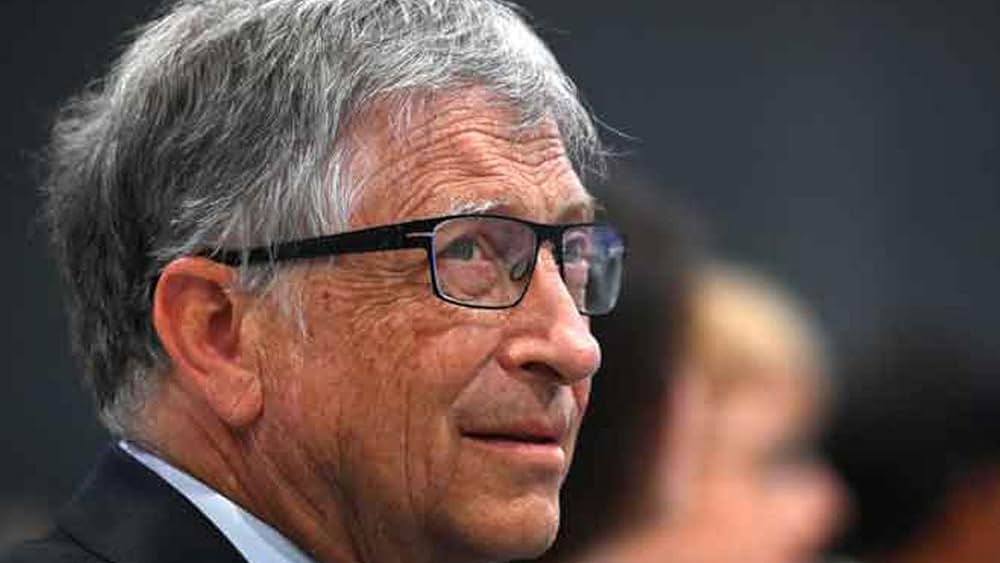
Overview Of Bill Gates’ Connection To Jeffrey Epstein
Gates met Epstein several times between 2011 and 2014 and exchanged emails through at least 2015. Differences over roles and introductions, plus emails from Epstein, later prompted public questions about the nature and purpose of their interactions.
Initial Meetings And Early Relationship
Gates first encountered Epstein in 2011, when Epstein offered introductions to wealthy individuals who might support global health and development work. Their earliest contacts included emails arranging meetings and discussions about philanthropy and potential partners.
Gates says those meetings centered on philanthropy, not business partnerships. Documents and later reporting show Gates and Epstein communicated directly in multiple emails, and Gates’ staff copied Epstein on some messages. Gates later said he regrets ever knowing Epstein and denied any improper conduct.
Boris Nikolic, a Gates adviser, appears in the correspondence and prompted Epstein to act as a go-between during a 2013 personnel dispute. That episode deepened scrutiny of how Epstein inserted himself into Gates’ network and why he remained in contact for several years.
Dinners With Epstein And Correspondence
Reports show Gates attended or was invited to dinners and meetings connected to Epstein, though Gates has denied visiting Epstein’s private island. Emails from 2013 to 2015 document direct exchanges between Gates and Epstein and repeated outreach from Epstein to Gates’ aides.
Epstein’s messages include attempts to mediate disputes and, in at least one instance, self‑directed emails with unverified allegations about Gates’ private life. Gates’ spokesperson called those claims false and framed Epstein as motivated by grievance and self-interest. Gates also acknowledged he spent time with Epstein and now regrets it.
Staff at Gates Ventures and the Bill & Melinda Gates Foundation appear in threads. Larry Cohen, Gates’ organization head, and adviser Boris Nikolic communicated with Epstein while trying to manage staffing and introductions, which tied the Gates name repeatedly into the Epstein file releases.
Purpose Of The Association
Gates has said the association aimed to leverage Epstein’s network to reach wealthy donors and leaders for philanthropic projects. Epstein positioned himself as a connector to powerful individuals who could aid global health initiatives and funding efforts.
Reporting and released emails show Epstein offering to mediate personnel matters and to arrange introductions for initiatives tied to Gates’ philanthropy. Critics argue Epstein used those roles to ingratiate himself and gain access; Gates maintains there was no business partnership or personal friendship and denies any wrongdoing.
The dynamic combined philanthropic intent, staff involvement, and Epstein’s persistent outreach. That mix explains why journalists and public officials parsed the emails once they became public, focusing on the boundaries between introductions, mediation, and the problematic nature of Epstein’s methods.
Epstein’s Email Allegations: The Story Behind The Claims
The documents show a short, disputed email thread tied to Jeffrey Epstein that contains graphic and unverified assertions about Gates’ private life. The messages prompted denials and public comment, and they resurfaced wider questions about why Gates met Epstein.
Content Of The Epstein Email
A July 2013 note attributed to Epstein—whose provenance is unclear—describes alleged incidents in blunt language and references medical details. The text, which investigators later released among the broader Epstein files, is not accompanied by corroborating records in the public dump, and Gates’ representatives called the claims “absolutely absurd and completely false.”
Readers should note the documents include both emails exchanged directly and notes Epstein wrote to himself; reporting indicates some passages may never have left Epstein’s drafts. That uncertainty matters because it affects whether the passages reflect a communicated allegation or Epstein’s own unvetted assertions.
Claims About Russian Girls And STDs
The note alleges Gates contracted a sexually transmitted disease after encounters with “Russian girls,” and it claims Epstein later wrote about providing antibiotics. Gates denied the allegation publicly, calling the STD claim false and saying the purported email was either unsent or fabricated. Fact-checking outlets reviewed the lines and classified them as unverified; searchable case files from the Department of Justice contain the document but do not substantiate the specific medical claim.
Medical claims of this sort require corroboration from medical records or testimony; none has emerged publicly. The allegation triggered immediate media attention because it mixes a health claim with sexual conduct, but reporting so far treats the statement as an unproven entry in the released Justice Department documents.
Accusations Involving Married Women
Epstein’s note also suggests attempts to conceal or treat infection in a married partner, alleging someone tried to provide antibiotics surreptitiously. Gates’ team rejected that account, and his interview statements framed the passage as false and possibly part of Epstein’s effort to defame or extort. Melinda French Gates referenced the wider fallout from Gates’ association with Epstein without confirming any medical details.
Reporting highlights that these accusations appear in a large tranche of files with mixed provenance: some are direct communications, others are notes or third-party summaries. The documents raise questions about interpersonal conduct and secrecy, but journalists and officials emphasize the difference between an allegation in Epstein’s papers and independently verified evidence.
Bill Gates’ Response And Public Denial
Gates called the specific claims false, expressed regret for ever knowing Jeffrey Epstein, and pushed back against any suggestion that he engaged in sexual misconduct or visited Epstein’s private island. His public remarks, spokesperson statements, and televised interviews sought to limit reputational damage while acknowledging poor judgment in associating with Epstein.
Direct Response To The STD Allegations
Gates directly denied the draft email’s claim that he contracted an STD after encounters with “Russian girls,” saying the allegation was untrue. He told reporters he never went to Epstein’s private island and never met the women described in the draft messages.
He framed the emails as Epstein writing to himself, noting some documents in the Department of Justice release contained material Epstein drafted that was never sent. Gates emphasized the falsehood of that specific claim while reiterating regret for having spent time with Epstein.
Statements From Gates’ Spokesperson
Gates’ spokesperson released precise denials that mirrored his public comments, calling the STD allegation categorically false and stressing there was no factual basis for it. The spokesperson also highlighted that the documents released by the Department of Justice included drafts and materials of varying reliability.
They pointed out Gates’ apologies for the association and underlined that Gates never met with Epstein in contexts described by the messages. The statement aimed to separate Gates’ poor judgment in social dealings from any criminal or sexual wrongdoing.
Media Interviews Addressing The Issue
In television and print interviews, Gates repeated that he “regrets every minute” spent with Epstein while denying specific allegations about sexual activity or travel to Epstein’s island. He sought to control the narrative by focusing on the unreliability of certain DOJ-released documents and by calling the STD claim false.
Interviewers pressed him on timing, purpose and whether the meetings involved philanthropy or business introductions. Gates acknowledged the meetings were a mistake and expressed remorse, but maintained the factual denial of the sexually explicit claims revealed in the document dump.
Impact On Bill Gates’ Personal And Professional Life
The revelations tied to the Epstein emails intensified scrutiny of Gates’s private choices and public role. They prompted personal reactions, raised questions about governance at his foundation, and reshaped some public perceptions of his philanthropy.
Reactions From Melinda French Gates
Melinda French Gates publicly said the revelations dredged up “very painful times” from their marriage, linking Gates’s interactions with Epstein to strains that contributed to their divorce. Her comments underscored personal hurt and reinforced that the couple’s split involved more than routine marital issues.
Press coverage and statements from people close to the family indicated she expected Bill to answer tough questions directly. That stance gave her a visible role in the narrative about accountability, rather than leaving responses solely to PR teams.
Her remarks also influenced how reporters and watchdogs framed follow-up inquiries, focusing attention on the private dynamics that intersected with public reputational risk.
Effect On Bill & Melinda Gates Foundation
The foundation faced renewed scrutiny over oversight and ties between donors, advisers, and outside figures after the emails surfaced. Board members and staff expressed concern about reputational spillover, prompting internal reviews of past interactions and donor vetting procedures.
Operationally, the foundation continued funding global health and education programs, but executives had to spend more time on communications strategy and governance safeguards. Fundraising meetings sometimes included questions about due diligence protocols and whether any past proposals involved individuals now under critical scrutiny.
Donor confidence appeared mostly intact among large institutional partners, but smaller donors and advocacy groups pressed for clearer transparency measures and stronger conflict-of-interest policies.
Public Perception And Philanthropy
Public reaction split: some commentators treated the emails as further evidence of poor judgment, while others emphasized Gates’s long-standing philanthropic record. Polling and social-media trends showed spikes in negative sentiment, especially during news cycles that paired the emails with past reporting about Epstein.
Philanthropic partners reassessed headline risk for joint projects and required more explicit reputational clauses in collaborations. Gates’s personal philanthropy — including giving through vehicles tied to both his and Melinda’s names — faced heightened media scrutiny but did not see an immediate collapse in institutional support.
Critics used the episode to argue for stronger governance across major philanthropic organizations, while defenders noted continued measurable impacts of foundation programs in areas like vaccines and sanitation.
The Wider Epstein Investigation And Public Revelations
The newly released materials expanded what the public can inspect about Epstein’s network, named associates, and internal communications. Readers can see references to meetings, draft emails, and documents that investigative teams and journalists are still verifying.
Scope Of The Epstein Files Release
The Justice Department released a tranche that included millions of pages, emails, photos and videos tied to Epstein’s cases and related civil filings. This release aimed to fulfill a congressional mandate and opened documents previously sealed in litigation and criminal investigations.
Media organizations report the batch contains internal drafts, intercepted emails Epstein saved, and images that prompted renewed scrutiny of connections between Epstein, wealthy donors, and financial intermediaries. Some items are explicitly labeled draft or unverified; officials warned the public that the cache may include false or misleading material. Investigators continue to separate corroborated evidence from claims Epstein or others may have fabricated.
Other High-Profile Individuals Named
Documents in the release mention a range of public figures across politics, finance, and entertainment. Names appearing in the files have included former presidents, business leaders, and socialites, generating follow-up reporting and public statements denying wrongdoing.
Bill Gates appears in several items and publicly said he regretted meetings with Epstein while denying allegations in certain draft emails. The files also reference ties to other major figures that prompted renewed interest in prior associations and donations linked to Epstein’s network. Reporting has repeatedly noted that inclusion in the files does not equal criminal involvement and that many entries require contextual verification.
Role Of The Department Of Justice
The Department of Justice produced and posted the materials under court orders and congressional pressure, stating its releases comply with legal obligations. DOJ officials cautioned the public that the files contain unvetted submissions and material gathered from multiple civil suits and probes.
DOJ’s role now centers on preserving evidence, responding to inquiries, and clarifying which materials stem from verified investigations versus uncorroborated drafts. The department’s handling has shaped media access and influenced which leads federal or state prosecutors may pursue, including follow-up on individuals named in the documents and any links to Epstein’s private island or to associates such as Ghislaine Maxwell.
Controversies And Unanswered Questions
The documents reopened questions about who benefited from Epstein’s communications and which allegations can be verified. They raise specific concerns about alleged attempts to entrap and defame individuals and about what investigators and lawmakers will still examine.
Entrapment And Defamation Concerns
Epstein’s draft emails include claims that allege Gates contracted an STI and that others were asked to procure antibiotics or facilitate trysts. Those messages were sometimes written as notes to himself or framed as if authored by Boris Nikolic, which complicates attribution and intent.
Gates’ team called some claims “absurd” and said Epstein manufactured falsehoods to damage reputations. The presence of emails where Epstein writes as or about Boris raises the possibility that Epstein drafted statements to pin on a third party, fueling concerns about entrap-and-defame tactics.
Key questions remain: which messages were ever sent, who actually wrote which passages, and whether any contemporaneous corroboration exists for the specific allegations. The inconsistency between draft self-emails and outward-facing communications keeps the matter unsettled.
Ongoing Congress And Legal Inquiries
The Justice Department’s release of files created momentum for renewed scrutiny of Epstein’s network and the people named in his documents. Congressional offices and journalists have signaled interest in reviewing whether any laws were violated beyond Epstein’s known crimes, and whether third parties were targeted for reputational harm.
Investigators may seek original email headers, witness testimony, and device records to establish authorship and distribution. For figures like Boris Nikolic, who appears in mediation threads, inquiry centers on whether he was used as an intermediary or portrayed falsely in drafts.
Pending legal or congressional actions will determine if these questions move from reputational controversy to formal inquiry, but no new charges related to these specific allegations have been publicly announced.
More from Vinyl and Velvet:

Leave a Reply